Top 10 Cylinder Fender Manufacturers in China You Should Know?
In the maritime industry, the role of cylinder fenders is often underestimated. These vital components protect vessels and docks from damage during operations. As Zhang Wei, an expert in marine engineering, states, "The right cylinder fender can save both time and money." This sentiment underscores the importance of choosing reliable manufacturers for these critical products.
China boasts a range of cylinder fender manufacturers renowned for their quality and innovation. Each company presents unique features, from material strength to design efficiency. However, not every manufacturer meets the high standards required for marine applications. It is essential to research thoroughly and consider factors like certification and customer feedback.
As the demand for sturdier and more efficient designs grows, some manufacturers struggle to keep pace. They may focus on cost over quality, leading to unreliable products. When selecting a cylinder fender, it's vital to weigh both performance and durability to ensure optimal protection for your vessel.
Overview of Cylinder Fenders and Their Importance in Marine Applications
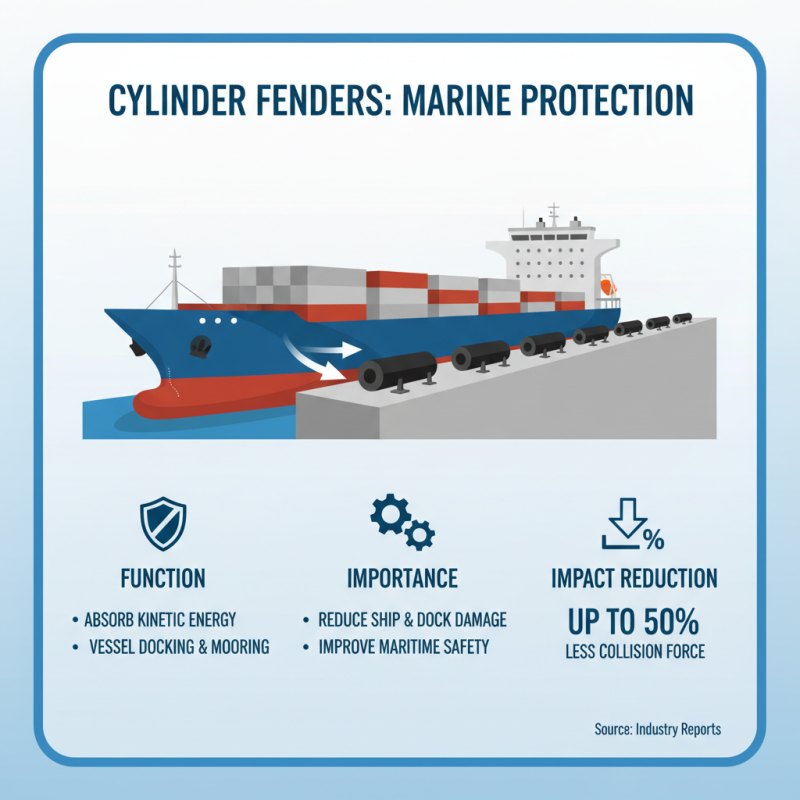
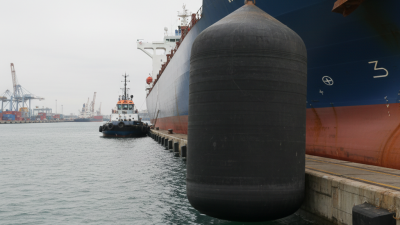
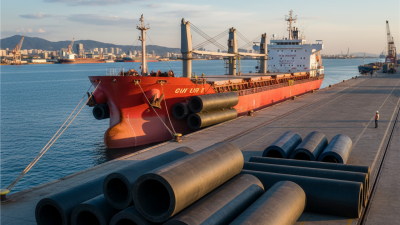
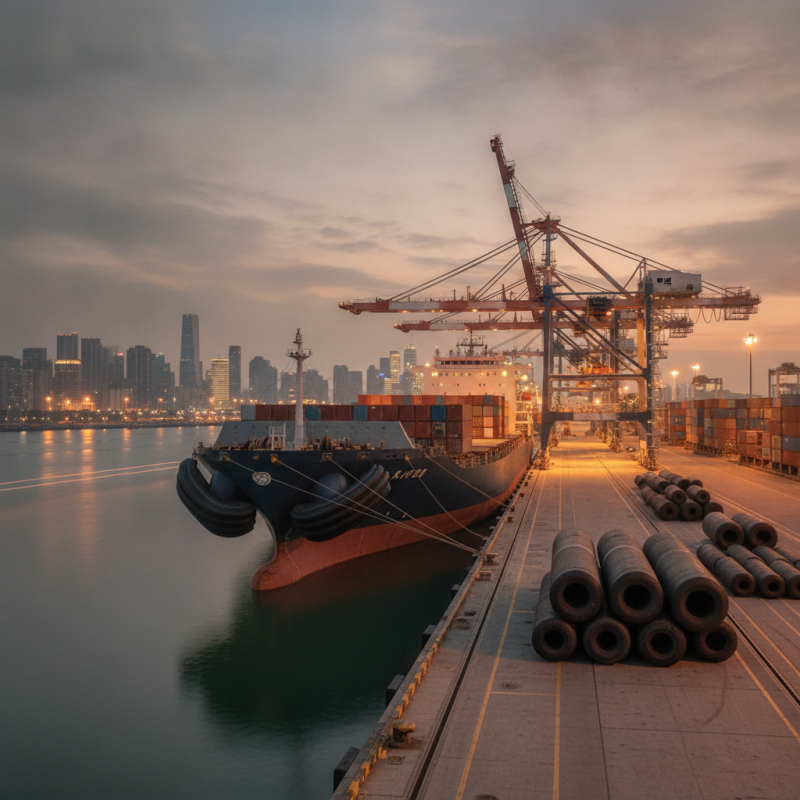
Cylinder fenders play a crucial role in marine applications, serving as essential protective buffers. They are designed to absorb kinetic energy during vessel docking and mooring operations. This function is vital, as safe docking reduces the risk of damage to both ships and docks. According to industry reports, effective fendering systems can decrease collision impact forces by up to 50%, illustrating their importance in maritime safety.
The design of cylinder fenders allows them to provide superior protection. Their cylindrical shape enables them to distribute loads evenly, minimizing localized stress. Statistics indicate that the right combination of material and design can enhance durability, leading to a lifespan of over 10 years in harsh marine environments. Despite this, some manufacturers struggle with quality control, potentially compromising fender reliability.
Marine environments are unpredictable. Weather conditions can vary, putting immense pressure on fenders. Regular maintenance and inspection are necessary to ensure optimal performance. However, many operators overlook this aspect, which can result in unexpected failures during critical operations. A lack of knowledgeable personnel may contribute to these oversights, highlighting the need for training and awareness in marine safety standards.
Criteria for Selecting Quality Cylinder Fender Manufacturers
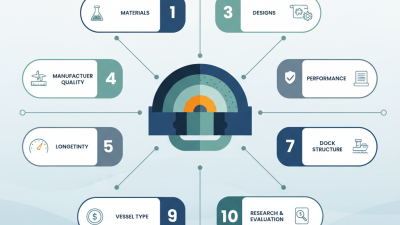
When selecting quality cylinder fender manufacturers, consider several key criteria. First, evaluate their experience in the industry. A long-standing presence usually indicates reliability. Manufacturers with years of expertise often understand market demands better than newer companies. They can provide insights into materials and construction techniques that enhance product durability.
Tips: Look for manufacturers with a diverse portfolio. This diversity can demonstrate their adaptability in meeting different needs.
Next, analyze the production capabilities of potential manufacturers. Inspecting their facility may reveal the quality of machinery and technology they use. Advanced production techniques can lead to more consistent and high-quality products. Pay attention to certifications and standards that the manufacturers adhere to; these can indicate the company’s commitment to quality.
Tips: Request samples before making decisions. Samples can give you a tangible sense of the product quality.
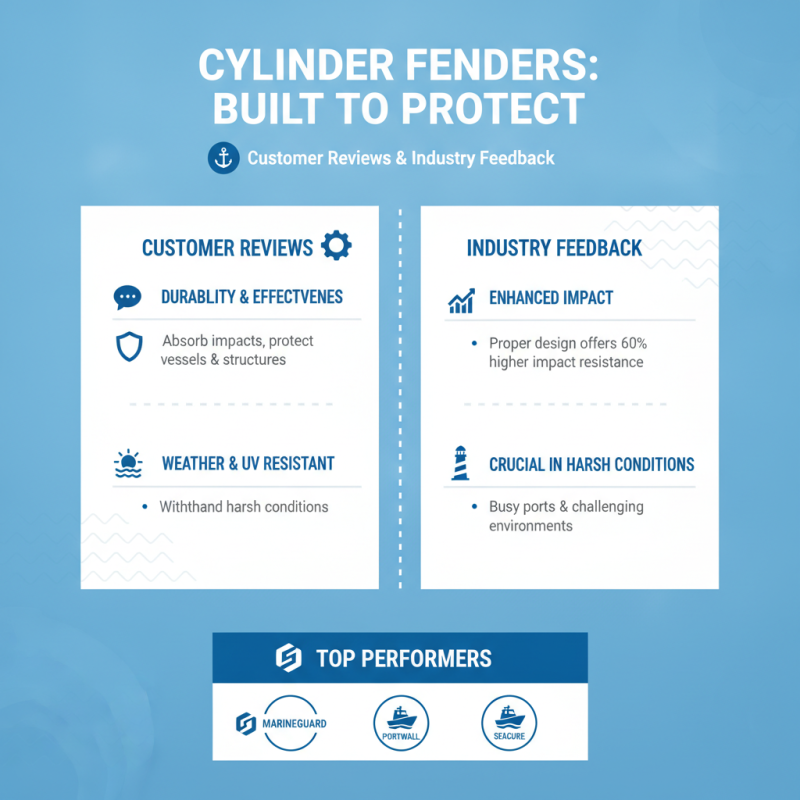
Additionally, consider customer reviews and case studies. Feedback from previous clients can highlight both strengths and weaknesses in a manufacturer’s offerings. Sometimes, these reviews paint a more accurate picture than marketing materials. It’s important to balance positive testimonials with any critiques.
Tips: Engage with industry forums. Networking can reveal insights about manufacturers that are not publicly available.
Top 10 Leading Cylinder Fender Manufacturers in China
Cylinder fenders play a vital role in marine infrastructure, especially in ports and shipyards. These structures provide protection for vessels and docks from collisions and impacts. Understanding the leading manufacturers in China is essential for businesses seeking reliable suppliers. Market research indicates that the cylinder fender market in China is growing at a compound annual growth rate (CAGR) of over 5% as of 2023. This demand reflects the rising activity in maritime trade and the need for improved dock safety.
Key manufacturers focus on quality materials and innovative designs. Many companies invest heavily in R&D to enhance the durability and efficiency of their products. Reports suggest that around 70% of the manufacturers emphasize using high-performance rubber composites and advanced molding techniques. However, not all manufacturers achieve uniform quality, leading to variability in performance. This inconsistency can affect supply chain reliability.
The importance of certifications cannot be overstated. Compliance with international standards ensures safety and reliability. Yet, some manufacturers may struggle with obtaining necessary certifications due to outdated practices or lack of awareness. Buyers should conduct thorough due diligence before selecting suppliers. The right choice can lead to improved logistical performance and reduced operational risks.
Top 10 Cylinder Fender Manufacturers in China You Should Know
| Rank |
Annual Production (Units) |
Export Percentage (%) |
Certifications |
Established Year |
| 1 |
10000 |
75 |
ISO 9001, CE |
2005 |
| 2 |
8000 |
60 |
ISO 9001 |
2010 |
| 3 |
12000 |
80 |
CE, BV |
2000 |
| 4 |
6000 |
50 |
ISO 14001 |
2015 |
| 5 |
9500 |
65 |
ISO 9001, API |
2003 |
| 6 |
8500 |
70 |
CE |
2011 |
| 7 |
11000 |
85 |
ISO 9001, SGS |
2004 |
| 8 |
7000 |
55 |
ISO 14001, CE |
2012 |
| 9 |
9900 |
90 |
ISO 9001, API |
2001 |
| 10 |
4300 |
40 |
CE, BV |
2014 |
Comparison of Manufacturing Processes and Technologies Used
China's cylinder fender manufacturing is an intricate process that combines various technologies. Many manufacturers use advanced molding techniques. These techniques ensure durability and performance in harsh marine environments. Quality control is vital at every stage. Even minor defects can lead to significant issues.
The materials employed also play a crucial role. High-quality rubber compounds are common due to their flexibility and resilience. Some producers may rely on outdated materials, which could compromise safety standards. It’s essential to assess whether manufacturers utilize eco-friendly resources, as this reflects their commitment to sustainability.
Innovation in production methods is ongoing. Automation and computer-aided design (CAD) enhance precision and efficiency. Yet, not all manufacturers keep pace with technological advancements. This gap can result in inconsistencies in product quality. Buyers need to consider these factors when evaluating potential suppliers. The more informed the buyer, the better the choices available.