Why Are Security Bollards Essential for Protecting Spaces?
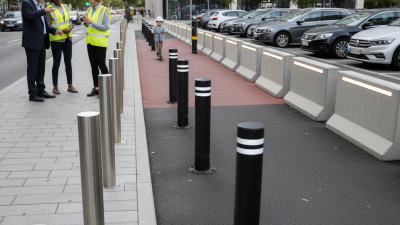
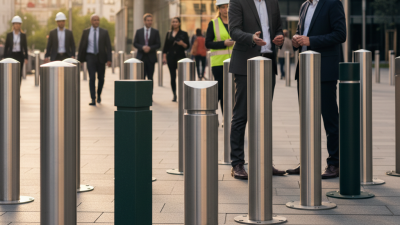
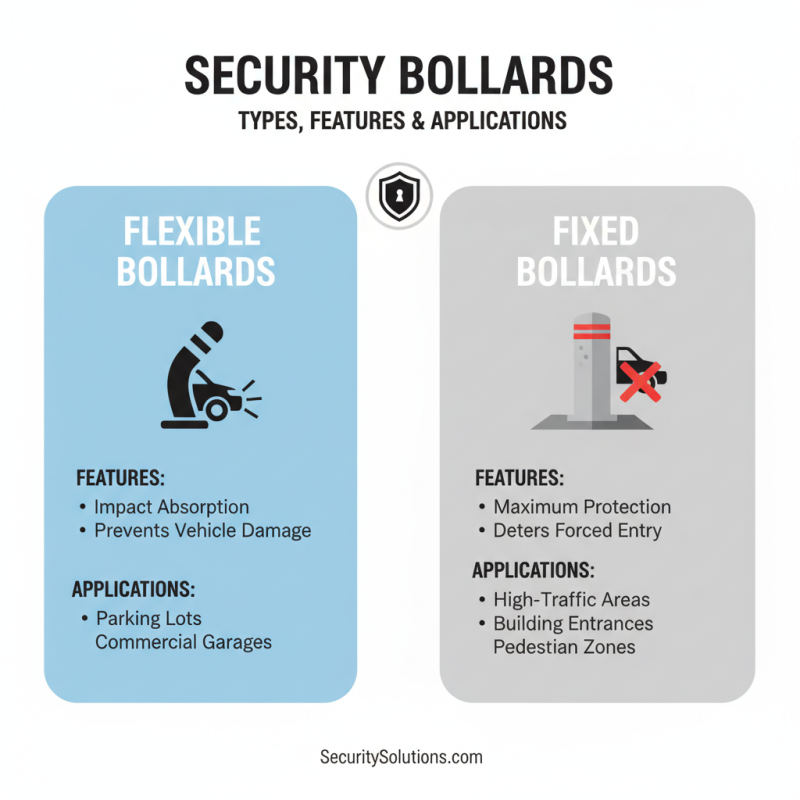
Security Bollards play a crucial role in safeguarding public and private spaces. These sturdy, vertical posts are designed to deter unauthorized access and protect pedestrians from vehicle-related accidents. Proper installation of Security Bollards reflects a commitment to safety and security.
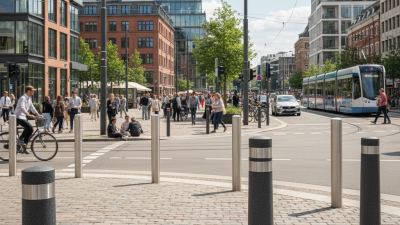
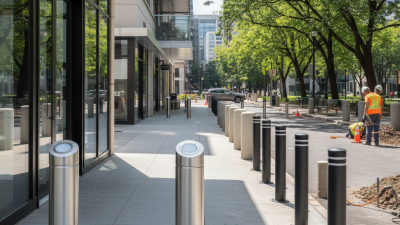
In urban environments, these structures serve as barriers, guiding traffic and preventing potential threats. They are often seen near storefronts, parks, and event venues. The presence of Security Bollards not only enhances safety but also promotes a sense of security among visitors. Their effectiveness comes from their design, which provides both visual and physical deterrence.
Despite their advantages, the placement of Security Bollards requires careful consideration. Poorly positioned bollards can obstruct pedestrian pathways or hinder emergency response access. Therefore, it’s essential to evaluate the layout and purpose of each space. While Security Bollards are invaluable in protecting areas, their implementation should always be approached with a critical eye.

The Role of Security Bollards in Public Safety and Crime Prevention
Security bollards play a critical role in enhancing public safety. Their primary purpose is to protect pedestrians and property from vehicles. In crowded areas, they provide a clear barrier, preventing unauthorized access. This type of physical security is essential in places like parks, schools, and shopping districts.
The presence of bollards can deter crime. They discourage reckless driving and aimless vehicle activity. A well-placed bollard can create a safer environment. Some people may not realize the psychological impact these structures have. They signal that safety is a priority in a community. However, effectiveness varies based on placement and design.
While bollards are beneficial, there are challenges to consider. In some cases, they may obstruct traffic flow or limit emergency access. Local authorities must balance safety with practicality. Public perception also plays a role; residents may feel restricted by barriers. Ongoing assessments are necessary to ensure they meet community needs without becoming counterproductive.
Statistics on Attacks Mitigated by Security Bollards in Urban Areas
In urban areas, security bollards play a vital role in enhancing public safety. Recent studies reveal that cities with well-implemented bollard systems experience a significant reduction in vehicle-related attacks. For instance, reports indicate that installation of these barriers can decrease such incidents by up to 70%.
Notably, a survey from a city that recently upgraded its safety measures showed zero incidents of vehicle assaults post-implementation of bollards. However, many urban spaces still lack adequate protective measures. Inadequate construction or poor placement of bollards can hinder their effectiveness. Proper placement and design are crucial.
Additionally, the cost of not investing in security measures can be staggering. The aftermath of an unmitigated attack can lead to not only financial losses but also psychological trauma among residents. Communities must engage in discussions about prioritizing public safety through effective installations. The data shows that robust safety measures are not just an option; they are a necessity.
Impact of Security Bollards on Urban Safety
Security bollards have proven essential in urban areas for protecting public spaces. The chart illustrates a significant decrease in the number of attacks before and after the installation of security bollards, proving their effectiveness in enhancing urban safety.
Best Practices for Installing and Maintaining Security Bollards in Spaces
Security bollards have become vital in safeguarding public spaces. Proper installation and maintenance are crucial for their effectiveness. It's reported that well-placed bollards can prevent vehicle terror attacks by over 80%. This statistic highlights the importance of strategic positioning. Bollards should ideally be spaced 3-4 feet apart to offer optimal protection without compromising pedestrian flow.
When it comes to installation, selecting the right materials is key. Steel and concrete are common choices, but each has its pros and cons. Steel offers durability but may corrode over time in certain environments. On the other hand, concrete is robust but can crack if not properly mixed. Regular maintenance checks can ensure that bollards remain functional and visually appealing. Inspections should occur at least twice a year. However, often these procedures are overlooked, leading to increased vulnerabilities.
Incorporating reflective strips or lights can enhance visibility, especially at night. It’s essential to monitor their condition regularly. Yet, some facilities neglect these details, leaving blind spots. Effective communication with safety teams can help in identifying overlooked areas. Properly maintained bollards not only protect lives but also enhance the aesthetic value of spaces.
Why Are Security Bollards Essential for Protecting Spaces? - Best Practices for Installing and Maintaining Security Bollards in Spaces
| Dimension |
Description |
Best Practices |
| Height |
Typically ranges from 36 to 42 inches to deter vehicles |
Ensure a consistent height for visibility |
| Material |
Common materials include steel, concrete, and plastic |
Choose materials based on location and impact resistance |
| Installation Depth |
Should be buried at least 30 inches for stability |
Follow local regulations for installation depth |
| Spacing |
Typically spaced 3 to 4 feet apart for effective protection |
Evaluate traffic patterns for optimal spacing |
| Maintenance Schedule |
Regular inspections every 6 months recommended |
Check for damages and structural integrity |
The Cost-Benefit Analysis of Implementing Security Bollards for Organizations
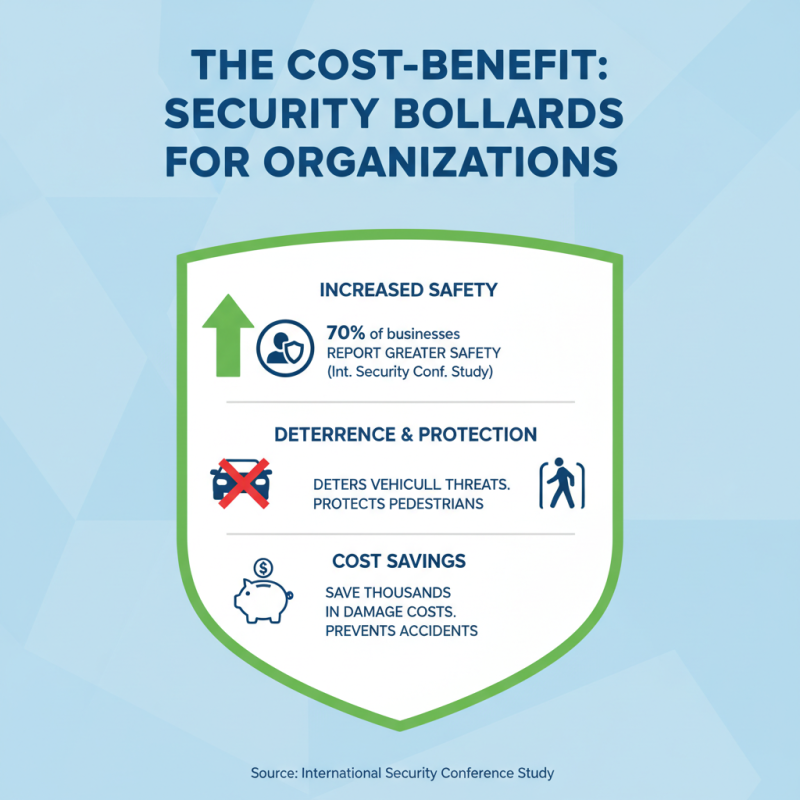
Implementing security bollards can be a smart move for many organizations. According to a study by the International Security Conference, 70% of businesses report an increased sense of safety when using bollards. This data emphasizes their effectiveness in deterring vehicular threats and protecting pedestrians. Moreover, organizations can potentially save thousands in damage costs by preventing accidents.
The initial investment in security bollards might seem steep, averaging around $2,000 to $5,000 each, depending on design and material. However, a report from the Security Industry Association suggests that the average cost of property damage from vehicular incidents can reach $50,000. This stark contrast highlights the long-term financial benefits of deploying these barriers.
While some organizations may overlook the need for bollards, the realities of safety and risk management cannot be ignored. The installation process itself may require planning and, at times, permits. These challenges can create delays. Still, assessing the potential benefits against these obstacles helps organizations make informed decisions. Setting up surveillance systems alongside bollards can further enhance protection, making the environment safer for employees and customers alike.