10 Essential Tips for Choosing the Right Cylinder Fender for Your Needs?
Choosing the right cylinder fender can be crucial for your marine operations. These fenders act as protective barriers for vessels, absorbing impact and preventing damage. However, selecting the appropriate type can be challenging. There are various factors to consider, including size, material, and application.
Understanding your specific needs is essential. Different environments require different solutions. Cylinder fenders come in various shapes and sizes. Some work better in harbors, while others are suitable for offshore applications. Knowing where and how you will use them can guide your decision.
Many people overlook critical details. For instance, inadequate fender size could lead to costly damages. Not all fenders are created equal; durability and performance matter. Each choice you make should reflect your purpose and safety standards. Ultimately, the right cylinder fender can enhance your marine safety and efficiency.
Understanding the Purpose and Importance of Cylinder Fenders
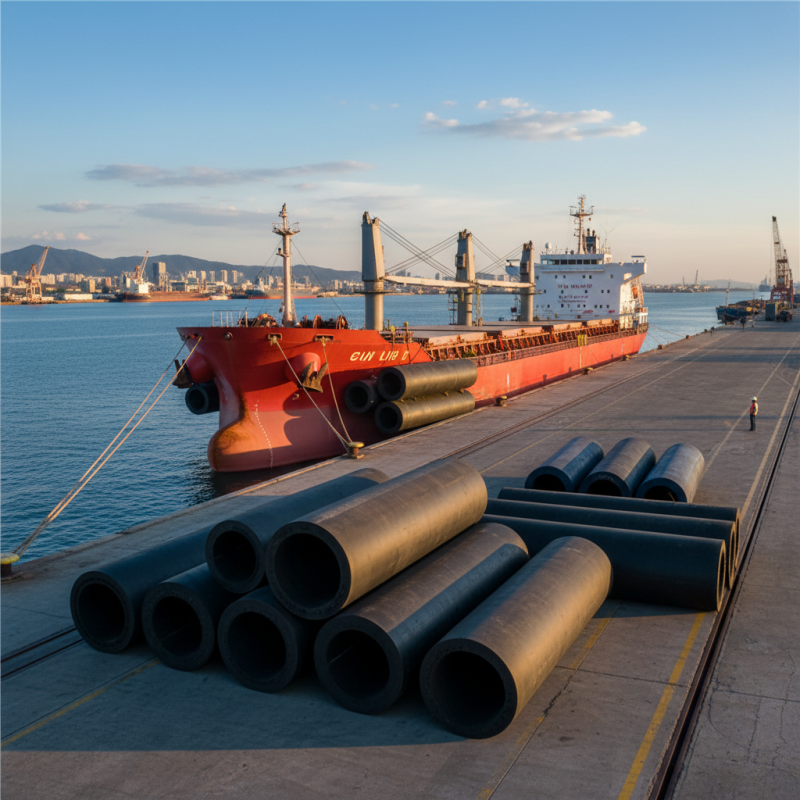
Cylinder fenders play a crucial role in protecting vessels and docks from damage. They absorb impact forces during berthing, ensuring a safe interface between the boat and the structure. According to the American Bureau of Shipping, the right fender can reduce impact forces by up to 90%. This statistic underscores the importance of selecting the right type for various marine environments. Different materials and designs are available, each catering to specific operational needs.
Understanding the purpose of cylinder fenders is fundamental. They are designed to handle high energy while remaining resilient. In harsh marine settings, the durability of the fender can significantly affect safety and operational efficiency. A study by the Marine Technology Society noted that improperly chosen fenders could lead to increased maintenance costs. This highlights the need for thorough evaluation before making a decision.
Selecting the right cylinder fender involves considering factors like the type of vessel and the frequency of usage. Some designs may offer better resistance to abrasion, while others provide enhanced buoyancy. Taking time to assess these needs ensures better performance and longevity of the fenders. Striking a balance between cost and quality is essential for effective investment.
Types of Cylinder Fenders and Their Specific Applications
When selecting a cylinder fender, understanding the various types is crucial. Cylinder fenders are widely used in marine environments, providing protection against collisions. There are several types to consider. For instance, foam-filled fenders are lightweight and resistant to punctures. These are ideal for docks and piers. According to a report from the Marine Industry Association, the demand for foam-filled fenders has increased by 30% over five years.
Another popular option is PVC or rubber fenders, often used in high-impact areas. They offer durability and are effective in mitigating damage. In a recent study, over 50% of port operators preferred these fenders for their resilience and long lifespan. It’s important to note that environmental conditions play a significant role in the choice of materials.
When choosing a fender, consider the specific application. Here are some tips: assess the location, measure impact loads, and account for temperature variations. Ensuring the right fit for your needs can minimize wear and prolong fender life. Missing out on these factors can lead to frequent replacements and unpredictable costs. Always consult with experts in the field to enhance decision-making.
Key Factors to Consider When Choosing Cylinder Fenders
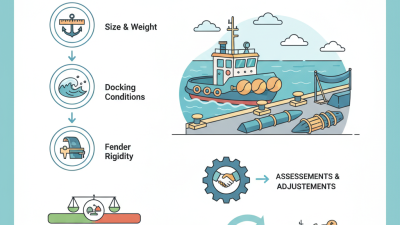
When selecting a cylinder fender, several key factors should be evaluated to ensure you make the right choice. The size and type of the fender play a significant role in its performance. You must consider the weight of the vessels and the force they exert. Choosing a fender with inadequate specifications may lead to ineffective protection. Also, take note of the installation environment. Harsh marine conditions demand fenders with better durability.
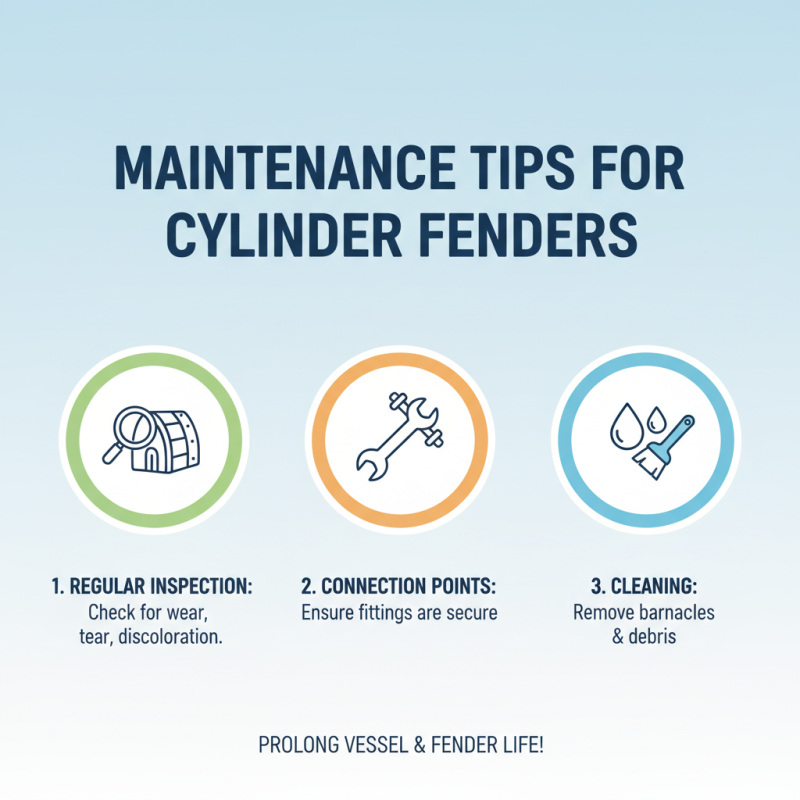
Material is another essential element. Different fender materials, such as rubber or foam, can impact longevity and resilience. It's crucial to select materials resistant to wear and chemical exposure. Understanding potential maintenance needs is important as well. Regular checks can help avoid costly replacements or repairs. Also, consider the fender system's compatibility with your docking infrastructure. Mismatched components can lead to operational inefficiencies.
Beyond these factors, you should reflect on your specific usage scenarios. Different applications may require unique fender features. It's beneficial to consult experts, as they can offer valuable insights. Reviewing real-world experiences and case studies can also provide a clearer picture. Ultimately, vigilant research combined with expert advice will lead to a more informed decision in choosing the right cylinder fender.
Common Materials Used in Cylinder Fender Construction
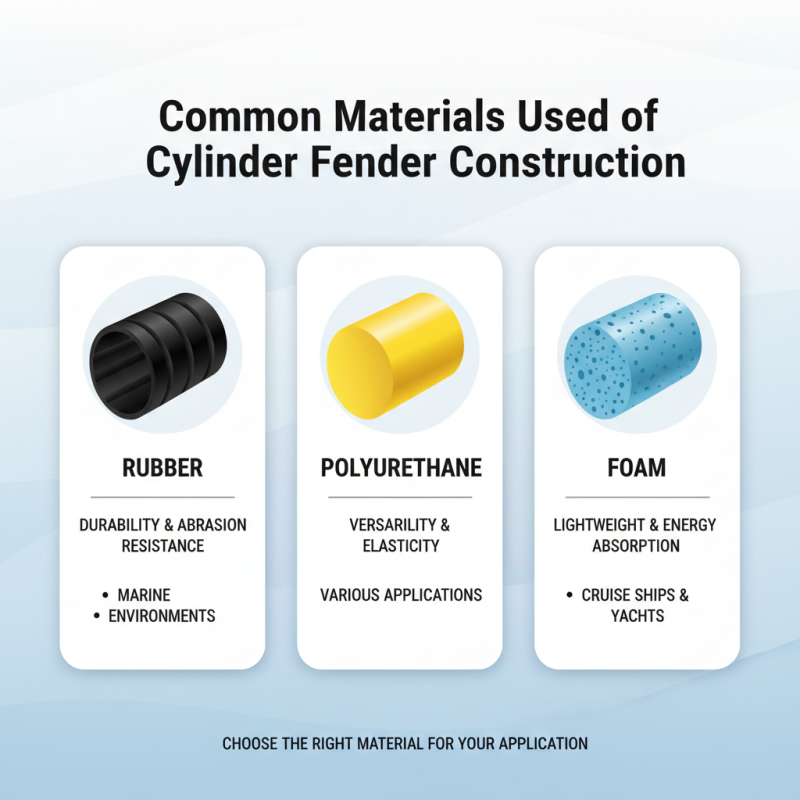
When selecting a cylinder fender, the material used in its construction plays a crucial role. Common materials for cylinder fenders include rubber, polyurethane, and foam. Each has unique properties that cater to different applications. Rubber fenders are known for their durability and resistance to abrasion. They perform well in marine environments, making them a popular choice.
Polyurethane is another material often used due to its excellent resilience. It can resist impacts and wear, ensuring longevity. Foam fenders, while lighter, offer good buoyancy. However, they may not withstand harsh conditions as effectively as rubber or polyurethane. It's essential to weigh these factors based on your specific needs.
Consider the environment where the fender will be used. Marine settings can be harsh, and the material must endure. Choose a fender that can provide adequate protection for vessels. Ensure that it meets relevant standards. Additionally, think about the fender's installation and maintenance requirements. This can affect your costs in the long run. Selecting the right material is key for achieving optimal performance.