Top 10 Cylinder Fender Buying Tips for Global Buyers
In the competitive world of maritime safety, choosing the right Cylinder Fender is crucial for protecting vessels and docks. James Martin, a renowned expert in marine engineering, once stated, "The right Cylinder Fender can prevent costly damages and enhance operational efficiency." His insight underscores the importance of informed purchasing choices for global buyers.
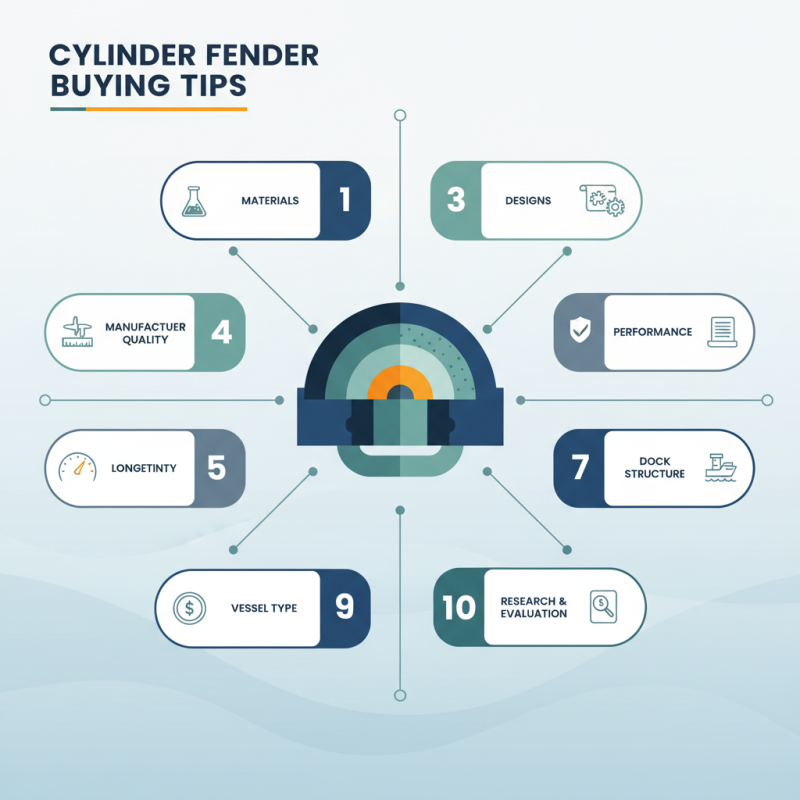
When selecting a Cylinder Fender, buyers must consider specific factors. The materials, sizes, and designs can vary significantly. Each choice impacts performance and longevity. Additionally, the right manufacturer plays a vital role. Not all suppliers maintain the same quality standards. Some cut corners, leading to potential failures.
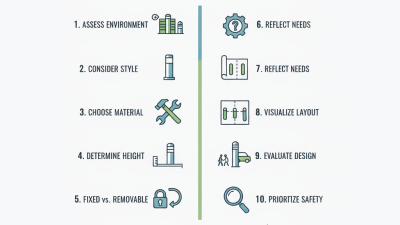
Understanding these nuances can be daunting. The potential for mistakes in purchasing decisions is high. Buyers should reflect on their needs carefully. A thorough evaluation of options will yield the best results. Investing time in research can save money and protect assets in the long run.
Understanding Cylinder Fenders: Types and Materials Explained
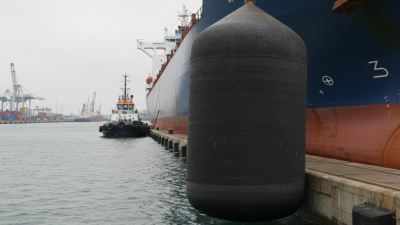
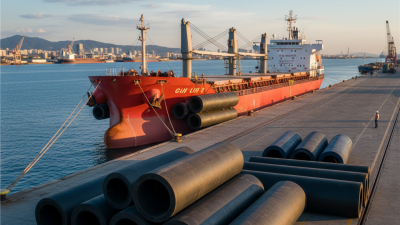
Cylinder fenders are crucial for protecting vessels during docking and berthing. They come in various types and materials, catering to different marine needs. The right choice can enhance safety and longevity significantly. Common materials include rubber, foam, and plastic. Each type offers unique benefits. Rubber fenders are durable and resilient, making them popular in high-impact areas. Foam fenders, being lightweight, are also easy to install. They are often favored in yacht marinas.
Understanding the specific requirements of your marine environment is essential. For instance, fender dimensions must match the vessel size and the expected impact loads. Overestimating sizes can lead to inadequate protection. Underestimating can result in costly damages. Inspecting materials for UV resistance and weather durability is also vital. Marine conditions can be harsh, and fender longevity matters.
Fenders need regular maintenance checks. A worn-out fender may not perform effectively during an impact. Users must reflect on their choices and assess if they match current needs. It’s worth noting that not all fenders perform equally under every condition. Buyers should seek expert advice to navigate the various options available. This way, informed decisions can lead to safer marine operations.
Top 10 Cylinder Fender Buying Tips for Global Buyers
Evaluating Quality: Key Features to Look for in Cylinder Fenders
When evaluating cylinder fenders, you should focus on several key features. The material used is essential. Look for high-quality rubber or foam that resists wear and UV damage. These materials enhance durability and prolong service life. The fender design also matters. A well-designed fender should have a shape that effectively absorbs impact. This will provide better protection for your vessels and structures.
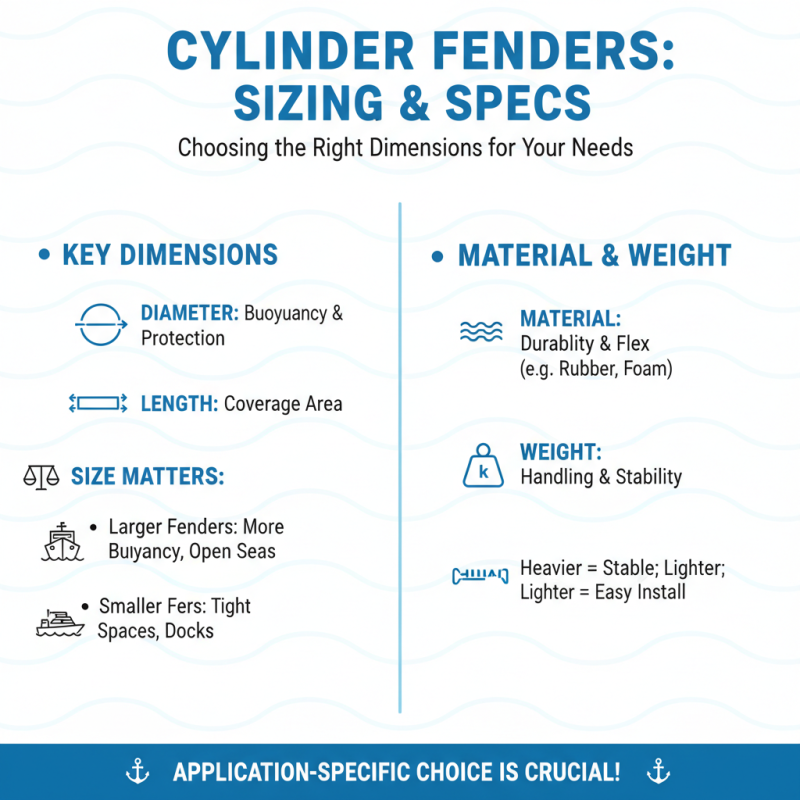
Another important aspect is the fender's size and buoyancy. Ensure that the dimensions fit your specific applications. A mismatch can lead to ineffective performance. Pay attention to the installation options available. Different configurations can impact the ease of use and maintenance. Also, consider the manufacturer's reputation. Experienced manufacturers often produce more reliable products. They leverage feedback for continuous improvement.
However, it's crucial to remember that not all features will suit every situation. It's common to see fenders that fail in real-world applications due to poor quality control. Always conduct thorough research before making a purchase. Talk to industry professionals about their experiences. Their insights can save you time and money in the long run, ensuring that you make a well-informed choice.
Price Considerations: Budgeting for Cylinder Fender Purchases
When buying cylinder fenders, budget considerations are crucial. Reports indicate that cylinder fenders can range from $500 to $2,500 each. Prices depend on various factors such as materials, size, and manufacturer specifications. Understanding this range helps buyers avoid overspending.
The material chosen significantly impacts price. For example, polyurethane fenders offer durability but can be pricier than rubber alternatives. Data shows that rubber fenders are often about 20% cheaper. However, they may not have the same longevity. This factor should be evaluated against the expected lifespan of the fender in your specific marine environment.
Ignoring shipping costs can unexpectedly blow your budget. Estimates suggest these costs can add 15% to 30% to the total purchase price. Buyers must also factor in maintenance costs. Regular upkeep is essential for performance and longevity. Some buyers overlook future expenses. A cheaper initial purchase can lead to higher long-term costs if maintenance is neglected. Thus, being mindful of all cost aspects is key for effective budgeting.