How to Choose the Right Cylinder Fender for Your Boat?
Choosing the right cylinder fender for your boat is essential for protecting both your vessel and the dock. This decision impacts the safety and efficiency of mooring. Cylinder fenders come in various sizes and materials, making the selection process more complex.
Understanding the characteristics of each type can lead to better choices. Not all fenders provide the same level of protection. Some may wear down quickly or fail under pressure. Neglecting this aspect can lead to costly damages. It is also important to consider the environment in which you will be using the fender.
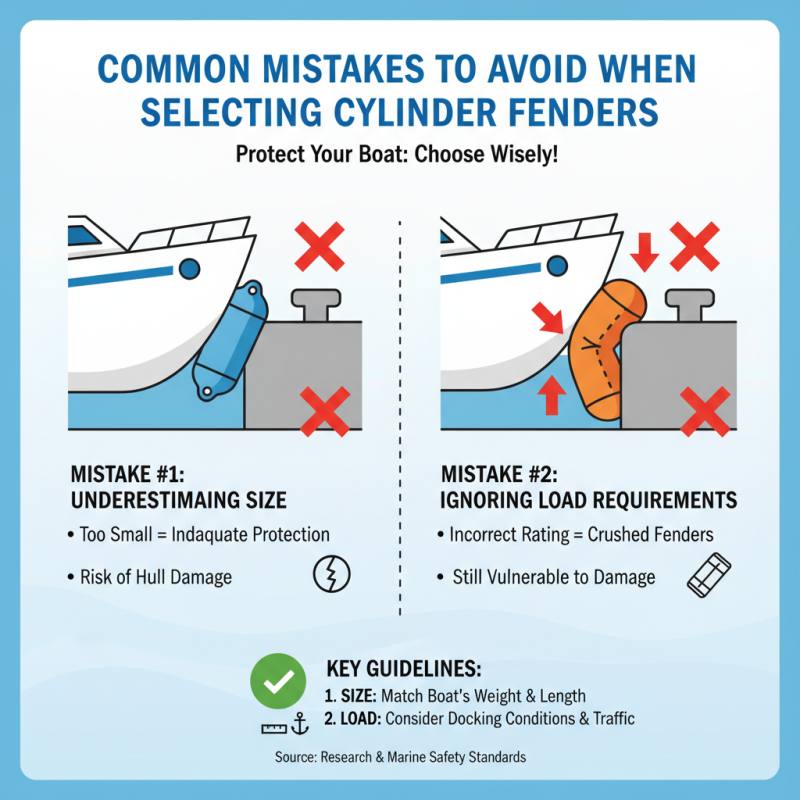
Evaluating your boat's unique needs is critical. Think about the weight, size, and usage frequency. A common mistake is choosing a fender based solely on price. While budget constraints are valid, investing in quality is paramount. Overall, a thorough assessment helps you select the most suitable cylinder fender for your boat's protection.
Understanding Cylinder Fenders and Their Importance for Boats
Cylinder fenders play a crucial role in protecting your boat from damage during docking. They act as shock absorbers, absorbing energy when your vessel comes into contact with docks, piers, or other boats. This is especially important for boaters who frequently navigate tight spaces. The right fender can prevent costly repairs and prolong the life of your watercraft.
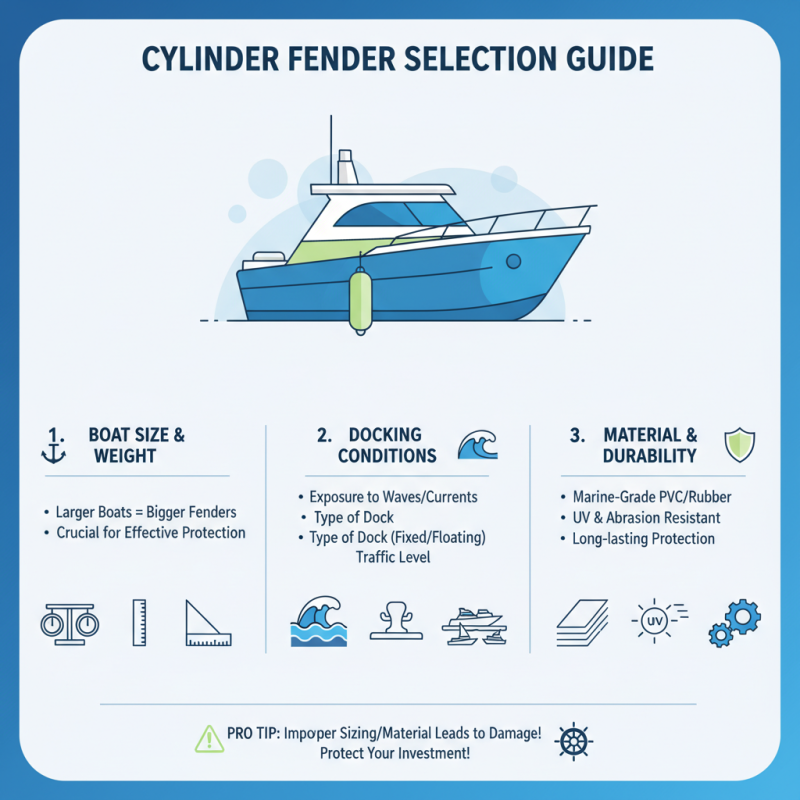
When choosing a cylinder fender, consider the size and weight of your boat. Larger vessels require thicker and more robust fenders. Inadequate fenders may lead to scratches or dents. Factors such as water conditions and docking habits also impact the choice of fender. For example, rough waters may necessitate a larger fender to handle the extra force.
It’s essential to inspect fenders regularly. Even the most durable materials can wear out over time. Look for signs of damage, such as punctures or excessive wear. A worn fender is less effective and can put your boat at risk. Balancing protection and practicality can be challenging. Rethink your choices and weigh the options carefully.
How to Choose the Right Cylinder Fender for Your Boat?
| Fender Type |
Diameter (inches) |
Length (inches) |
Material |
Weight (lbs) |
Best Use |
| Standard Cylinder Fender |
8 |
24 |
Vinyl |
5 |
General docking |
| Heavy Duty Cylinder Fender |
10 |
30 |
Rubber |
8 |
Commercial use |
| Inflatable Cylinder Fender |
12 |
36 |
PVC |
4 |
Racing boats |
| Custom Cylinder Fender |
14 |
40 |
Polyurethane |
7 |
Special applications |
Different Types of Cylinder Fenders Available in the Market
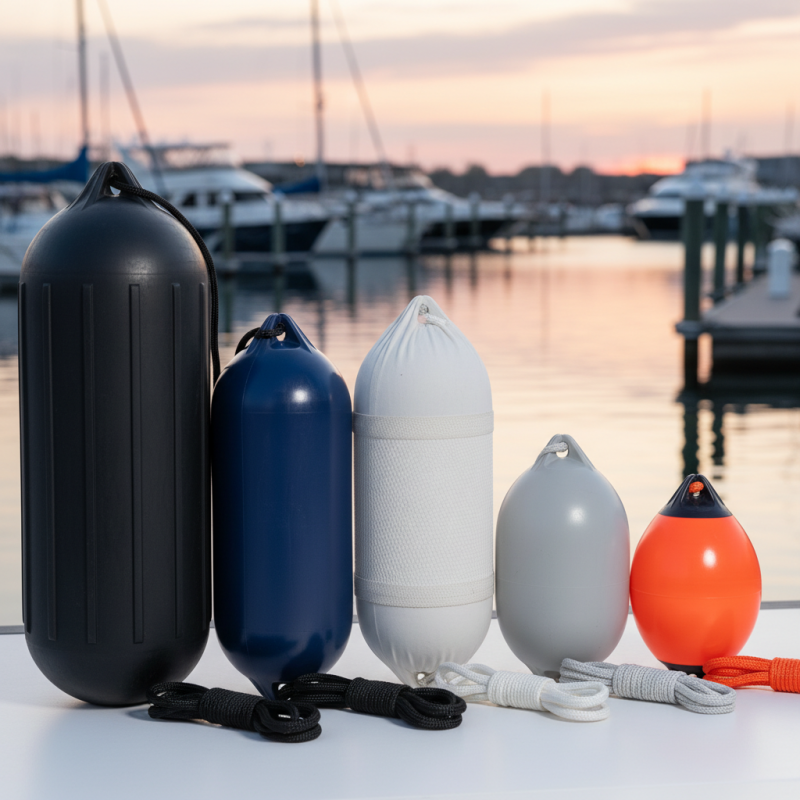
When selecting the right cylinder fender for your boat, understanding the available types is crucial. There are various options on the market, each designed for specific needs. Common varieties include
inflatable fenders,
foam-filled fenders, and
solid rubber fenders.
Inflatable fenders are lightweight and easy to store. They provide excellent buoyancy but can be prone to punctures.
Foam-filled fenders offer durability but are bulkier and may absorb water over time.
Solid rubber fenders are the toughest option. They withstand harsh impacts and have a long lifespan. However, they can be expensive and may not provide as much cushioning as inflatable types.
Each option has its pros and cons. It's essential to consider the docking situation and the types of vessels you’ll be interacting with.
Choosing a fender isn't just about protection; it also involves aesthetics and functionality. The color and design can affect your boat's overall look. Still, some fenders may fade in sunlight, leading to an unappealing appearance.
Balancing durability and visual appeal is a part of the decision-making process. Remember, reflecting on your needs can lead to a better choice.
Installation and Maintenance Tips for Cylinder Fenders
Choosing the right cylinder fender is crucial for your boat's safety. Installation plays a key role in how well the fender performs. Ensure that you have the appropriate hardware for mounting. Look for a secure location on your vessel to attach the fender. If possible, install it at different heights. This can help improve its effectiveness in various conditions.
Regular maintenance is essential to extend the life of your fenders. Clean them frequently with mild soap and water. This prevents buildup of grime and debris. Inspect for any signs of damage, such as cracks or wear. If you notice any, consider replacing them. Failing to do so can lead to more significant problems later on.
Pay attention to seasonal changes as well. Extreme temperatures can affect fender materials. Store them properly during off-seasons. This ensures they remain in good shape. Reflecting on your maintenance routine can help you identify areas for improvement. It’s easy to overlook these tasks, but a proactive approach will keep your boat safe.
Boat Cylinder Fender Usage and Maintenance Survey