How to Choose the Right Cylinder Fender for Your Marine Needs?
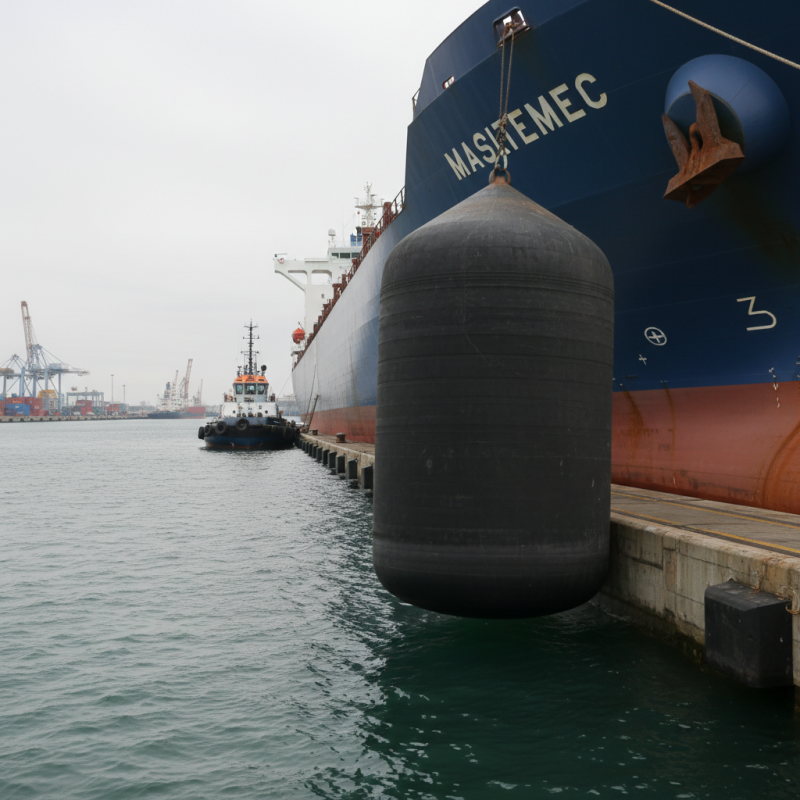
Choosing the right Cylinder Fender for marine applications can be a daunting task. Marine engineering expert Dr. Jonathan Reid states, "The right fender choice is crucial for vessel safety." This highlights the importance of understanding your specific needs.
Cylinder Fenders come in various sizes and materials. Factors like the vessel's weight, the docking environment, and frequency of use are key. Each application might demand a unique specification, making it essential to evaluate what works best.
Neglecting to consider these elements can lead to inadequate protection. A poorly chosen fender might not absorb impacts effectively. This could result in damage and costly repairs. It’s necessary to reflect on past choices and learn from experiences. The right Cylinder Fender can safeguard your vessel and ensure operational efficiency.
Factors to Consider When Choosing a Cylinder Fender
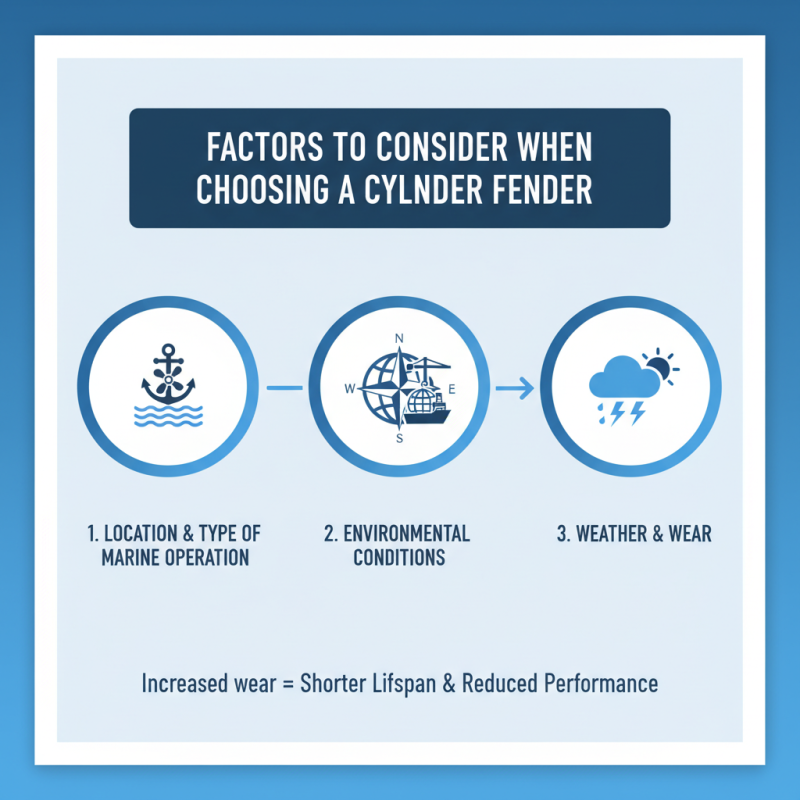
When selecting a cylinder fender, several important factors come into play. The location and type of marine operation will significantly influence your choice. Consider the environmental conditions at the docking site. Harsh weather can lead to increased wear and tear on fenders, affecting their lifespan and performance.
Another crucial aspect is the load capacity. You need to determine the maximum weight your fender must absorb during berthing. Assess the vessels that will use the fender, as differing sizes and weights affect the required specifications. Additionally, the fender's material and design can greatly impact its durability against both physical damage and environmental stressors.
It’s wise to evaluate the installation and maintenance needs. Some fenders may require more frequent checks and repairs due to exposure to elements. Be aware that not every fender performs equally in various environments. Conducting thorough research or consulting professionals can guide you towards a choice that meets your expectations, balancing cost with reliability.
Types of Cylinder Fenders and Their Applications
When selecting a cylinder fender, understanding the different types and their applications is key. Common styles include cylindrical, conical, and flat fenders. Each serves a unique purpose. For instance, cylindrical fenders are often used for larger vessels due to their durability. The conical design offers a good choice for small boats, providing effective energy absorption.
Tips: Consider the size of your vessel when choosing a fender. A mismatch can lead to inadequate protection. Ensure you assess environmental conditions like tide changes and wave actions.
Flat fenders are great for docks and piers. They provide a large surface area for impact absorption. Some users may overlook the importance of material quality. A lower quality fender may not withstand harsh maritime environments. Reflection on past choices can guide future decisions.
Tips: Don't ignore fender maintenance. Regular inspections can prevent unexpected failures. Make it a habit to check for wear and tear. This simple practice boosts the longevity of your fenders. Always aim for reliability in your fender choice.
Types of Cylinder Fenders and Their Applications
Sizing and Dimensions for Optimal Performance
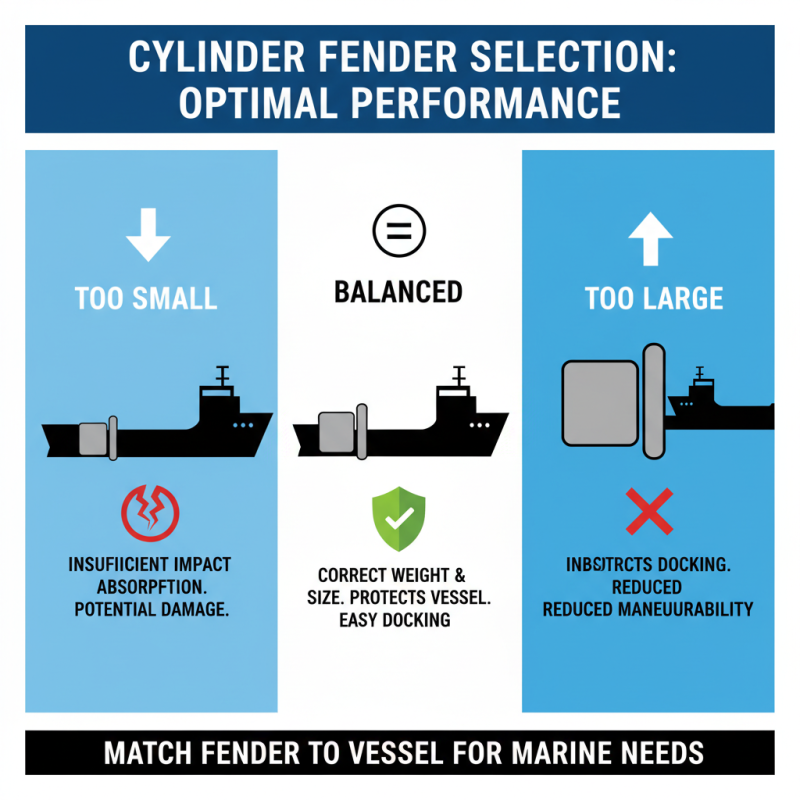
When selecting a cylinder fender, precise sizing and dimensions are crucial for optimal performance. The weight and dimensions of the fender must correspond to the vessel it will serve. A too-small fender might not absorb enough impact, leading to potential damage. Conversely, an oversized fender can obstruct docking and maneuverability. Aim for a balance that suits your unique marine needs.
Consider the specific environment where the fender will be used. Factors like tidal changes, weather conditions, and vessel speed can influence the choice. Payload capacity is equally important. Ensure the fender can withstand the forces it will encounter during berthing. Be aware that using an improperly sized fender can result in increased maintenance costs over time. Measure carefully and factor in uncertainties, such as potential shifts in vessel design or load.
As you assess your options, reflect on past experiences. Did poor sizing lead to challenges before? Learning from those situations helps make better choices now. Consult industry guidelines, as they can provide insights on standard dimensions for various boat types. Always prioritize reliability in your selections to ensure the longevity of your marine operations.
Material Selection and Durability Concerns
When selecting a cylinder fender for marine applications, material choice is crucial. The most common materials include rubber, polyethylene, and foam. Rubber fenders are strong but can degrade over time. They may require periodic inspections for wear. Polyethylene offers excellent resistance to corrosion but may crack under extreme temperatures. Foam fenders are lightweight and float, reducing the risk of damage to both the fender and the dock. These options present varying degrees of durability and flexibility.
Durability concerns vary with the material used. In harsh marine environments, exposure to sun, salt, and waves can affect fender lifespan. Regular maintenance can extend their use, but it is often overlooked. Some materials may need replacement sooner than expected due to unforeseen conditions. Understanding your specific needs is vital to ensure longevity and safety. A balance must be struck between cost and durability to meet both budgetary and operational demands.
Maintenance Best Practices for Cylinder Fenders
Cylinder fenders are essential in marine operations. They absorb impacts and protect vessels during docking. Proper maintenance extends their lifespan and ensures safety. Regular inspections are key. Look for signs of wear, cracks, or air leaks. The International Marine Contractors Association (IMCA) recommends checks every six months, especially in high-use environments.
It's important to maintain the air pressure according to the manufacturer's specifications. Incorrect pressure affects the fender's performance. Too much pressure can lead to blowouts. Too little can reduce cushioning. Regular cleaning can prevent the build-up of marine growth. This enhances performance and reduces maintenance costs.
Tips for maintenance: inspect fenders seasonally to catch issues early. Document any repairs or changes made. Use a gentle cleaning solution to avoid damaging the material. Be mindful that neglecting maintenance can lead to costly replacements. Stay proactive to ensure longevity and reliability of cylinder fenders.