What is a Cylinder Fender and How to Choose the Right One?
In the marine industry, selecting the right Cylinder Fender is crucial for vessel protection. According to Dr. Emily Carter, a respected expert in marine engineering, "Choosing the right Cylinder Fender can prevent costly damage to both ships and docks." This highlights the importance of understanding fender types and their applications.
Cylinder Fenders are widely used because of their efficiency. They provide reliable impact absorption. However, not all Cylinder Fenders are the same. Factors such as size, material, and installation location matter. An ill-suited fender can lead to severe issues later on. Careful research and consideration are key.
Boat owners often rush this decision, neglecting expert advice. A common mistake is underestimating the fender's role in safety and longevity. Reflections on specific experiences in the field reveal that the right Cylinder Fender can make a significant difference in operational success and safety.
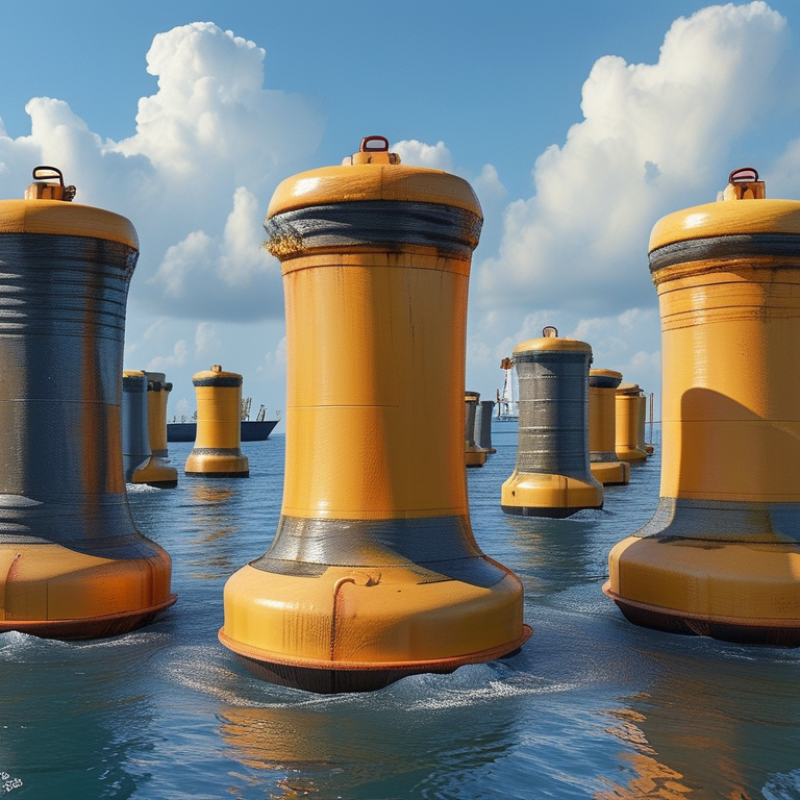
What is a Cylinder Fender and Its Purpose in Marine Applications?
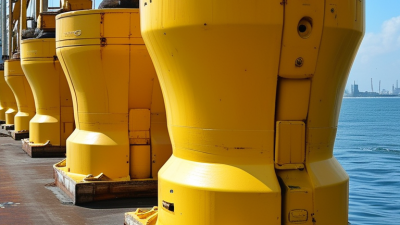
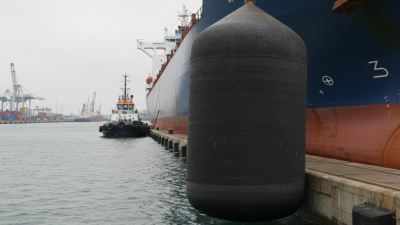
Cylinder fenders play a crucial role in marine applications. These floating protective devices absorb impact during ship docking maneuvers. Built from durable materials, they are designed to withstand harsh marine environments. Their primary purpose is to protect both vessels and dock structures from damage.
When selecting a cylinder fender, consider materials and size. Polyurethane fenders offer resilience against wear. The diameter and length must match the logistically specific requirements of your docking facilities. Each marine environment poses unique challenges. Understand your local conditions, like tides and currents.
Tips: Evaluate various test results on fender performance. Consult with marine engineers before making your choice. Frequent inspections during operation are essential to ensure they maintain effectiveness. Small adjustments can enhance their performance significantly. Choosing the right fender can save costs in the long run.
Types of Cylinder Fenders: A Comprehensive Overview and Comparison
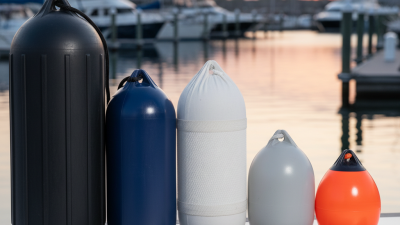
When selecting a cylinder fender, it's crucial to understand the different types available. Cylinder fenders vary mainly in material, design, and application. Common materials include rubber and foam. Each material offers distinct advantages in durability and performance. According to recent industry reports, rubber fenders are more traditional, providing strength and longevity. Foam fenders, however, are lightweight, making them easier to install and maneuver.
Comparing the two, rubber fenders can absorb more energy during impacts. They are ideal for vessels that frequently dock in busy ports. In contrast, foam fenders often excel in low-impact situations. They are effective for leisure boats and smaller vessels. Research indicates that foam fenders have increased in popularity, accounting for over 30% of the market share in recent years.
Tips: Consider your vessel's size and typical docking conditions when choosing a fender. Additionally, assess your budget since prices can significantly vary. Always verify the fender's specifications and test its performance in real-life scenarios. Remember, not all fenders perform equally, and selecting the wrong type could lead to increased maintenance costs or damage over time.
Types of Cylinder Fenders and Their Impact Resistance (Load Capacity)
Key Factors to Consider When Selecting a Cylinder Fender
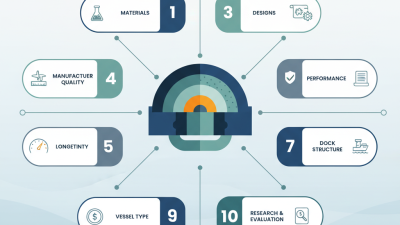
Choosing the right cylinder fender requires careful consideration of several factors. First, understand the environmental conditions where the fender will be used. Will it face harsh weather or calm waters? Assessing these conditions helps ensure proper durability.
Another key factor is the fender's size. It should match the vessels it will protect. An oversized fender may not absorb impacts effectively. Too small, and you risk damage. Evaluating the impact energy and the weight of your vessels is crucial.
**Tips:** Consider the material as well. Different materials have various absorption capacities. Evolving technology may introduce innovative options. Conducting thorough research can uncover these new possibilities.
Do not overlook the installation process. Improperly installed fenders can lead to malfunctions. Demand expertise in installation for better long-term performance. Reviewing user experiences and expert opinions can aid in making a well-informed decision. Choose wisely, as this could impact your operation significantly.
What is a Cylinder Fender and How to Choose the Right One? - Key Factors to Consider When Selecting a Cylinder Fender
| Factor |
Description |
Importance Level |
Common Materials |
| Size |
The diameter and length of the fender, which should match the vessel and docking conditions. |
High |
Rubber, foam |
| Energy Absorption |
The ability of the fender to absorb energy upon impact, crucial for protecting vessels. |
High |
Rubber |
| Installation Type |
The method of installation, such as vertical or horizontal, based on dock design. |
Medium |
N/A |
| Environmental Resistance |
Durability against harsh weather, UV rays, and water exposure. |
High |
Rubber, polyurethane |
| Cost |
Overall expenditure involved in purchasing and maintaining the fender. |
Medium |
N/A |
Installation Guidelines for Cylinder Fenders: Best Practices
When choosing cylinder fenders, installation matters greatly. Proper installation plays a crucial role in ensuring maximum efficiency and safety. Start by verifying the surface where the fender will be mounted. It should be flat and able to support the fender’s weight. Often, the area requires cleaning to eliminate debris that could compromise adhesion.
Use the right tools for the job. Each fender comes with specific instructions. Following these guidelines is essential. Placement is key. Ensure the fender is positioned correctly to absorb impacts effectively. If you're not sure, double-check with a professional. Misalignment might lead to quick wear or even damage to vessels.
Maintenance shouldn’t be overlooked. Regular inspections can help identify issues before they escalate. Look for signs of wear, such as cracks or loose fittings. Addressing these promptly can save time and costs in the long run. Reflecting on past installations can reveal mistakes. Perhaps a previous fender installation didn't hold up well. Learning from that can guide your next project.
Maintenance Tips for Ensuring Longevity of Cylinder Fenders
Maintaining cylinder fenders is crucial for their longevity. Regular inspection is essential. Check for signs of wear, such as surface abrasions and cracks. Even minor damage can lead to bigger issues. Ensure that fenders are free from debris. This stops potential harm when they are in use. When cleaning, use a soft brush. Avoid abrasive materials which can damage the surface.
Proper storage also influences durability. Store fenders in a shaded area when not in use. Direct sunlight can cause materials to degrade quicker. Rotate fenders often to avoid uneven wear. Make sure they are stored at appropriate temperatures. Extreme weather can impact their performance.
It’s important to evaluate fender performance regularly. Record any changes in performance over time. This can highlight maintenance needs. Addressing small issues promptly can prevent costly replacements. Fenders must fit correctly to serve their purpose. Always consult with experts when in doubt. The right fender for the job ensures safety and efficiency.