How to Choose the Right Cell Rubber Fender for Your Needs?
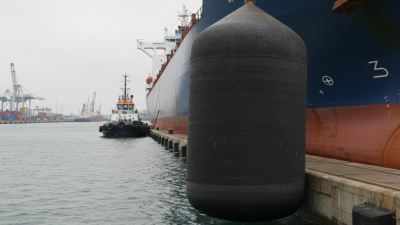
Choosing the right Cell Rubber Fender is crucial for any maritime operation. These fenders provide essential protection and stability during docking and mooring. Selecting the appropriate type affects safety and efficiency at the port. Different sizes and shapes of Cell Rubber Fenders cater to various vessel types and operational needs.
Understanding your specific requirements is vital. Factors such as vessel size, berthing conditions, and environmental challenges play significant roles. Consulting with industry experts can provide valuable insights. Even minor mistakes in selection can lead to costly damages or operational delays.
Many buyers overlook the importance of quality and reliability when choosing fenders. Cheap options may seem appealing, but they often lack durability. Investing in high-quality Cell Rubber Fenders ensures long-term performance, saving money over time. Reflecting on these details will guide you to make informed decisions and enhance the safety of your operations.
Understanding the Basics of Cell Rubber Fenders
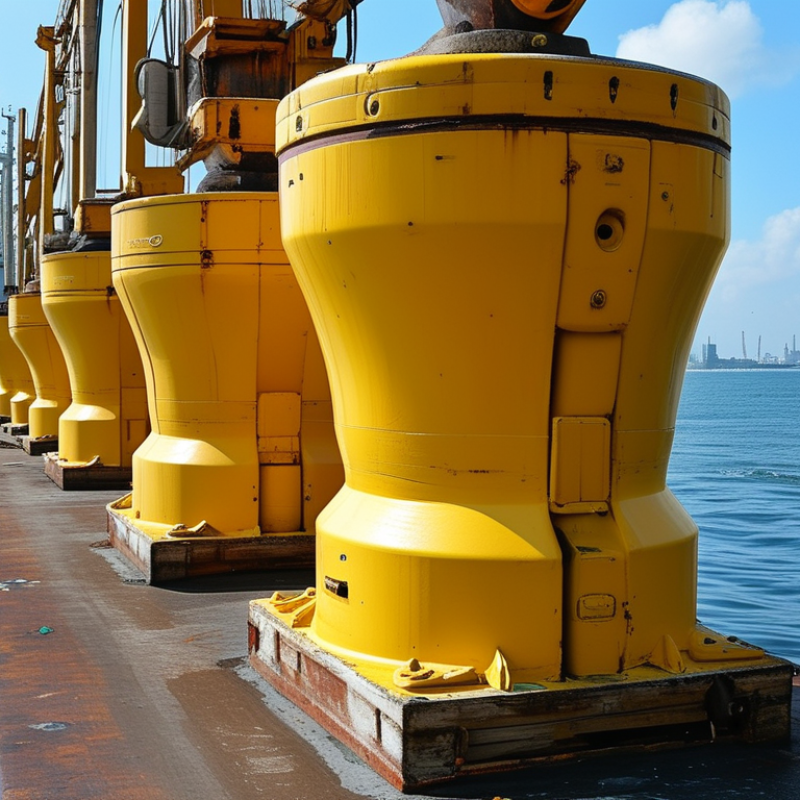
Cell rubber fenders play a crucial role in marine operations. They are essential for absorbing impact energy during vessel docking. Understanding the basic components of cell rubber fenders helps in selecting the right type. These fenders usually comprise a large inner cell filled with compressed air or liquid, surrounded by a layer of rubber. This design ensures effective energy absorption and minimizes damage.
Industry reports indicate that the right fender can reduce peak impact forces by over 50%. This is vital for protecting both vessels and ports. When choosing a fender, consider factors such as vessel size, berth design, and environmental conditions. Larger vessels may require fenders with higher energy absorption capacities. Taking these aspects into account will enhance safety and efficiency.
Tips: Always account for local weather conditions. Environments with high waves may need more robust models. Regular maintenance is also key; inspect fenders for signs of wear. Some factors may be overlooked, such as installation angles. They can significantly impact the fender’s performance. Ensuring proper installation is as critical as selecting the right fender.
How to Choose the Right Cell Rubber Fender for Your Needs?
| Fender Type |
Dimensions (L x W x H) |
Buoyancy (kg) |
Energy Absorption (kJ) |
Recommended Application |
| Cell Rubber Fender A |
1200 x 600 x 300 mm |
800 |
45 |
Small boats, marinas |
| Cell Rubber Fender B |
1500 x 700 x 400 mm |
1200 |
70 |
Medium-sized vessels, docks |
| Cell Rubber Fender C |
1800 x 800 x 500 mm |
1600 |
100 |
Large vessels, shipping yards |
| Cell Rubber Fender D |
2200 x 900 x 600 mm |
2200 |
150 |
Port terminals, offshore facilities |
Evaluating Your Specific Marine Application Needs
When evaluating specific marine application needs, the type of cell rubber fender you choose is crucial. Various reports indicate that the marine industry now faces unique challenges, such as increasing vessel sizes and unpredictable weather patterns. In fact, larger vessels require more robust fendering systems to absorb energy effectively. Reports show that up to 60% of marine incidents occur during docking operations where inadequate fendering may lead to costly damages.
Factors like vessel speed and berthing angles directly influence the fender's performance. The right fender must match the energy absorption capacity to the individual application. Marine experts suggest a fender that provides effective energy absorption rates of at least 80% of the incoming energy at berthing speed. It’s vital to assess the operational environment, as environmental factors can significantly affect fender longevity, especially in extreme conditions.
Some applications might demand a focus on low maintenance and durability over sheer energy capacity. Frequent evaluations and discussions with marine engineers often reveal that cost considerations shouldn’t override quality. In truth, discerning the right solution often involves trial and error, reflecting on experiences with previous installations. Being methodical in assessing both the physical requirements and the operational realities ensures better decisions in choosing the right cell rubber fender.
Key Features to Consider When Selecting Cell Rubber Fenders
Choosing the right cell rubber fender involves understanding various critical features. One prominent aspect is the energy absorption capacity. According to the International Maritime Organization, a fender's ability to absorb energy can significantly influence damage prevention. For instance, a fender with a high energy absorption rate can reduce the potential impact on vessels and docks.
Another essential feature to consider is the fender's durability. Cell rubber fenders must withstand harsh marine conditions. A study by the American Society for Testing and Materials reveals that quality fenders can last over ten years with minimal maintenance. Look for options that offer resistance to abrasions and UV rays.
Tips: When evaluating fenders, check the material specifications. Ensure they meet international safety standards, enhancing reliability. You might also want to consult with marine engineering experts. Their insights can guide you toward suitable choices. Remember, not every product marketed as durable genuinely is.
Understanding these key features helps you select the most suitable fender for your needs. It's crucial to consider both practical and technical aspects. A small oversight in your selection could lead to increased costs and operational issues down the line. Regularly reviewing fender performance data can help refine future purchasing decisions.
Cell Rubber Fender Selection: Key Features Comparison
This chart illustrates the key features to consider when selecting a cell rubber fender, based on their ratings. Durability and energy absorption are highly rated, essential for effective performance in marine applications.
Comparing Different Types of Cell Rubber Fenders Available
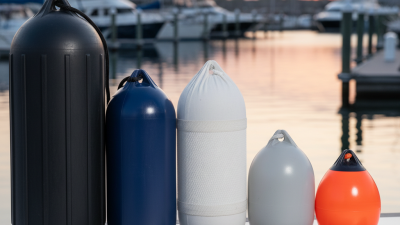
When selecting a cell rubber fender, it's important to consider the types available. Cell rubber fenders come in various shapes and sizes, designed for different applications. Some are cylindrical and are great for small vessels. Others are more elongated, ideal for larger ships and docks. The shape directly impacts how they absorb energy.
Material also plays a key role in performance. High-density rubber tends to offer superior durability and energy absorption. However, thicker rubber can be heavier, making installation more challenging. It's crucial to balance between robustness and ease of handling when making your choice.
Installation conditions matter too. Not all fenders perform equally in different environments. Coastal waters may demand fenders that withstand salt and wear. In contrast, freshwater environments might allow for lighter options. Your specific needs may define your choice significantly. It's essential to assess all factors and avoid oversights in your decision-making.
Maintenance and Installation Tips for Cell Rubber Fenders
Cell rubber fenders require proper maintenance and installation to ensure their longevity and effectiveness. Regular checks are essential. Inspect the fender for signs of wear or damage. Look for cracks or tears on the surface. Some degradation may not be immediately visible. Take time to examine all areas, including corners and edges.
Installation is equally critical. Position the fender at the right height to absorb impacts effectively. Ensure that it aligns with the receiving surface. Misalignment can lead to increased wear and decreased performance. Use appropriate mounting hardware to prevent failures during operation.
For effective maintenance, clean the fender regularly. Remove any debris and contaminants that may cause deterioration. Consider applying a protective coating if the fender is exposed to harsh elements. Keep an eye on environmental factors. Temperature fluctuations can affect the material's integrity. Recognize that even high-quality fenders will require periodic replacement.