What is a Parking Bollard and Why is it Important?
Parking bollards play a crucial role in urban planning and safety. As cities become more crowded, these sturdy posts create safe zones for pedestrians. According to a report from the International Parking Institute, installing parking bollards can reduce vehicle-related injuries by up to 20%. This statistic emphasizes their importance in safeguarding public spaces.
The functionality of parking bollards extends beyond mere safety. They guide traffic flow and protect property. A survey by the National Association of City Transportation Officials shows that 75% of urban areas have reported improved safety after implementing bollard systems. However, not all installations are effective. Some designs may obstruct visibility or create confusion among drivers.
Investing in high-quality parking bollards ensures durability and compliance with safety standards. The right choice enhances security while maintaining aesthetic appeal. As urban environments evolve, the importance of well-placed, effective parking bollards cannot be overstated. They are essential for creating safer, more functional public areas. Evaluation and reflection on current practices can lead to better outcomes in urban safety initiatives.
What is a Parking Bollard?
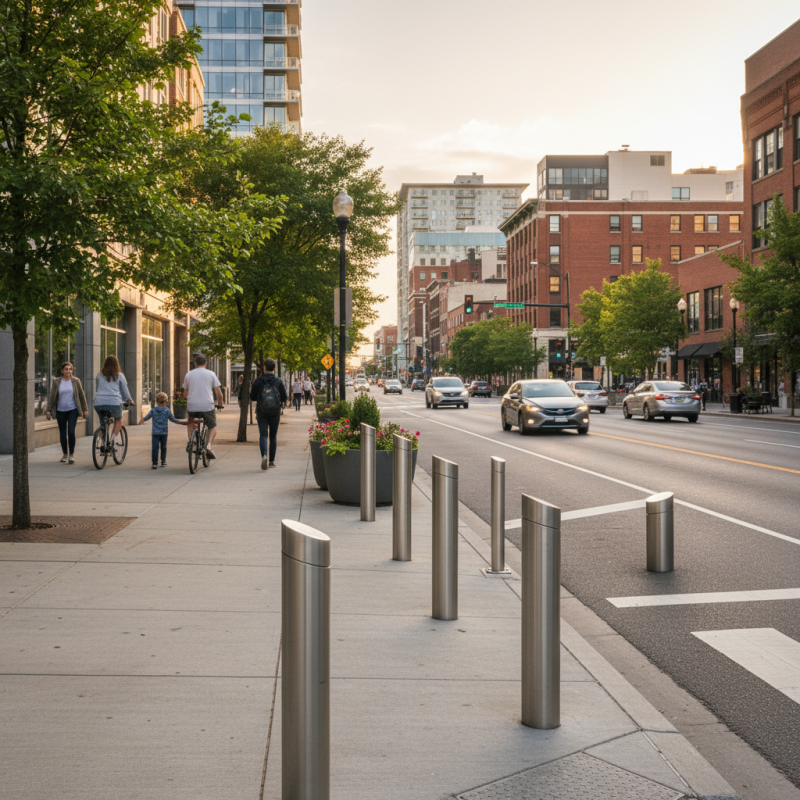
Parking bollards are essential structures found in urban environments. These short, sturdy posts serve multiple purposes, enhancing both safety and functionality. Primarily, they act as physical barriers, preventing vehicles from encroaching on pedestrian walkways. This design promotes safer passage for pedestrians. In parking lots, bollards can guide drivers, delineating spaces clearly and reducing confusion.
Additionally, parking bollards come in various shapes and materials, allowing for versatility in design. Some are reflective, making them more visible at night. Others are removable or collapsible, providing flexibility for changing spaces. However, not all installations may take into account the local context, leading to some barriers being placed ineffectively. This can frustrate drivers and pedestrians alike.
While bollards help minimize accidents, their placement requires thoughtful consideration. Incorrect positioning can impede traffic flow or create blind spots. Cities should regularly reevaluate their bollard placements to ensure they meet the community's needs. Ultimately, the effectiveness of parking bollards hinges on a delicate balance between design and practical application.
Parking Bollards: Importance and Usage Statistics
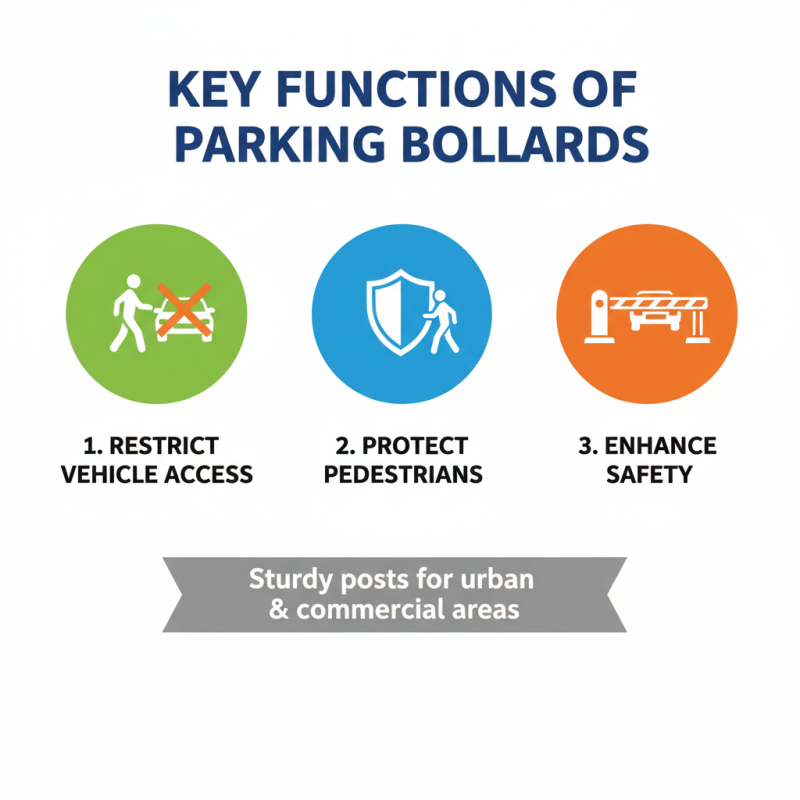
Key Functions of Parking Bollards
Parking bollards serve multiple key functions in urban environments and commercial areas. They are sturdy posts commonly placed at the edges of parking lots and sidewalks to restrict vehicle access. This helps protect pedestrians and provides a safe space for them to walk. Without these barriers, vehicles could accidentally encroach on sidewalks, posing risks to those on foot. By acting as a physical deterrent, bollards enhance safety significantly.
In addition to safety, parking bollards also play a vital role in traffic management. They delineate parking spaces and help regulate vehicle flow. This ensures organized parking, preventing chaos in busy areas. Their presence can reduce the likelihood of vehicles blocking entrances or crosswalks. While they serve their purpose, some can find them visually unappealing or cumbersome. There are ongoing discussions about balancing functionality with aesthetics in urban design.
Moreover, the effectiveness of bollards can vary. Not all are designed equally, and poorly installed bollards can lead to ineffective barriers. Maintenance is crucial; rust and wear can compromise their integrity. Therefore, regular inspections and assessments are imperative. In an ideal world, parking bollards enhance safety and traffic flow, serving the community effectively. It's essential to reflect on their design and placement for optimal results.
Different Types of Parking Bollards
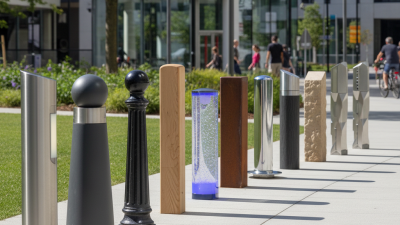
Parking bollards serve various purposes, providing safety and organization in urban areas. Different types of parking bollards can be found in many settings, each designed with specific functions in mind. Traditional fixed bollards, made from concrete or steel, are often used to create physical barriers. They can guide traffic and protect pedestrians. These sturdy options are reliable but can appear harsh or uninviting to some.
Removable or retractable bollards offer flexibility. They can be easily taken out or lowered when access is needed. This feature is useful for events or temporary parking adjustments. Some are even equipped with locks, enhancing security when in use. These bollards can be aesthetically pleasing, often featuring decorative designs that blend with the environment. However, users should consider maintenance challenges, as moving parts can wear over time.
Another type is the collapsible bollard. This option provides both security and convenience. When safety is paramount, they stand firm; when not needed, they fold down. This adaptability is impressive, though it demands careful operation. Improper use can lead to damage, highlighting the importance of proper education on their handling. Each type of bollard comes with its pros and cons, reflecting how urban design can evolve while addressing safety and accessibility.
What is a Parking Bollard and Why is it Important? - Different Types of Parking Bollards
| Type of Bollard |
Material |
Key Features |
Use Cases |
| Removable Bollards |
Steel |
Easy to install and remove, provides flexibility for access |
Events, private driveways |
| Fixed Bollards |
Concrete |
Permanent installation for high security |
Public spaces, pedestrian areas |
| Retractable Bollards |
Aluminum |
Can be lowered or raised automatically or manually |
Controlled access areas, high-security zones |
| Lighted Bollards |
Plastic/Steel |
Includes LED lights for visibility |
Walkways, parking lots |
| Impact-Resistant Bollards |
Reinforced Steel |
Designed to withstand heavy impacts |
Government buildings, airports |
Importance of Parking Bollards for Traffic Safety
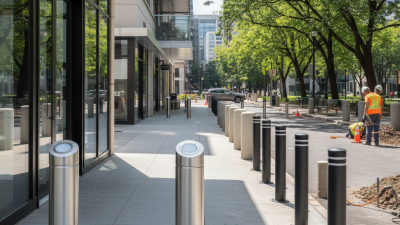
Parking bollards are crucial for traffic safety. These sturdy vertical posts guide vehicles and protect pedestrians. Their presence helps prevent accidents in busy areas, such as shopping centers or office buildings. When drivers navigate crowded spaces, bollards serve as clear visual cues, reducing the chance of unintended collisions.
Moreover, parking bollards play a key role in protecting structures from vehicle impacts. They can absorb shocks, minimizing damage to property. This aspect is especially important in urban environments, where buildings are often close to roadways. In some cases, however, poorly placed or inadequate bollards can still lead to safety issues. This highlights the need for proper planning and installation when incorporating them into a design.
Although bollards are effective, not all designs are created equal. Some may be too short or not robust enough to serve their purpose. This can leave gaps in safety that could have dire consequences. Thus, assessing the environment and choosing the right type of bollard is essential for maximizing their effectiveness.
Installation and Maintenance Considerations for Bollards
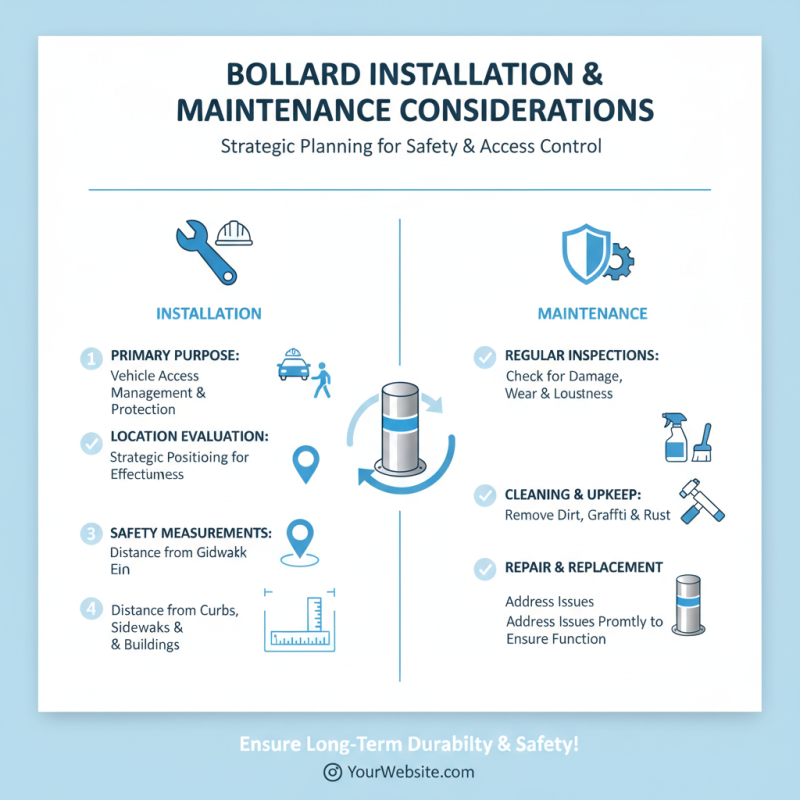
Installation and maintenance of parking bollards require careful planning and execution. When installing bollards, consider their primary purpose. They are designed to manage vehicle access and protect pedestrians. Start by evaluating the location. Ensure that the bollards are positioned strategically for maximum effectiveness. Measure the required distance from curbs, sidewalks, or buildings to maintain safety.
Choosing the right materials is crucial. Bollards can be made from concrete, steel, or plastic. Each material has unique benefits. For instance, steel offers durability, while concrete withstands impacts. However, not all materials are suitable for every environment. Reflect on the surroundings to avoid premature wear or damage.
Regular maintenance is vital for bollard longevity. Inspect them periodically for signs of wear. Pay attention to rust on metal bollards and cracks in concrete. Immediate repairs prevent larger issues over time.
**Tips:**
* Schedule regular inspections every few months.
* Keep the area around bollards clear to enhance visibility.
Proper attention can ensure that your bollards remain functional and effective.