How to Choose the Best Tugboat Fender for Your Needs?
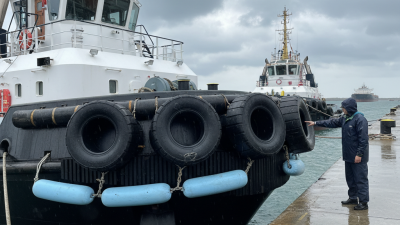
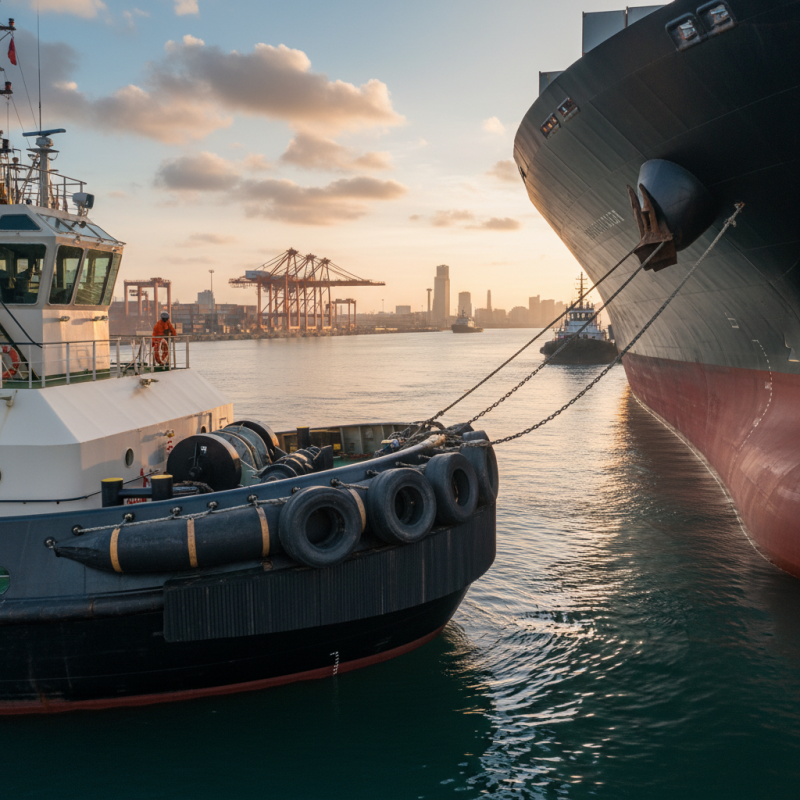
Choosing the right Tugboat Fender can significantly impact the safety and efficiency of maritime operations. The fender you select must protect vessels from damage during docking and undocking. Understanding the specific needs of your tugboat is crucial.
Different fenders offer varying levels of durability, shock absorption, and ease of installation. For example, foam fenders are lightweight and versatile, while rubber fenders tend to be more resilient. Think about where you will use the fender. Consider the water conditions and frequency of use.
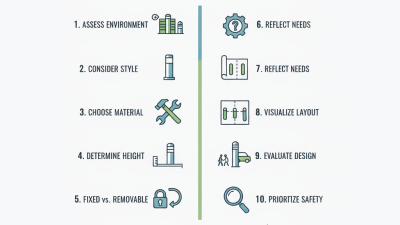
Your choice should also reflect the weight and size of your tugboat. Alignment of your vessel’s characteristics with the fender specifications matters. While expert opinions can guide you, it’s vital to evaluate your unique situation. Sometimes, the best choice may not be the most expensive. Reflect on your operational needs carefully. Tugboat fenders play a critical yet often overlooked role in maritime safety.
Factors to Consider When Selecting a Tugboat Fender
When selecting a tugboat fender, several factors are crucial for ensuring optimal performance. It is essential to consider the fender's material, size, and shape. Common materials include rubber, foam, and plastic. According to industry reports, rubber fenders are preferred for their durability and shock absorption. They can withstand harsh maritime conditions and provide reliable protection for vessels.
The size and shape of the fender also affect its performance. A properly sized fender distributes the impact force efficiently while also accommodating the specific needs of your tugboat. For instance, cylindrical fenders are versatile and often chosen for tugboats due to their excellent compression characteristics. A report by the Marine Fenders Association states that fender sizes should be based on the weight and speed of the tugboat. Conducting a careful assessment of your vessels will lead to better decisions.
**Tip:** Measure your tugboat's dimensions first, then consult with professionals before purchasing fenders. This can prevent mismatched sizes.
Another factor to think about is the fender's installation and maintenance. A poorly installed fender can lead to increased wear and tear. Regular inspections are crucial. They help identify wear patterns and prolong the fender's lifespan. Consider including a maintenance schedule based on operational hours. This helps keep your equipment in top shape.
**Tip:** Don’t ignore signs of damage early on. Prompt repairs can save costs in the long run.
Comparison of Tugboat Fender Types Based on Key Factors
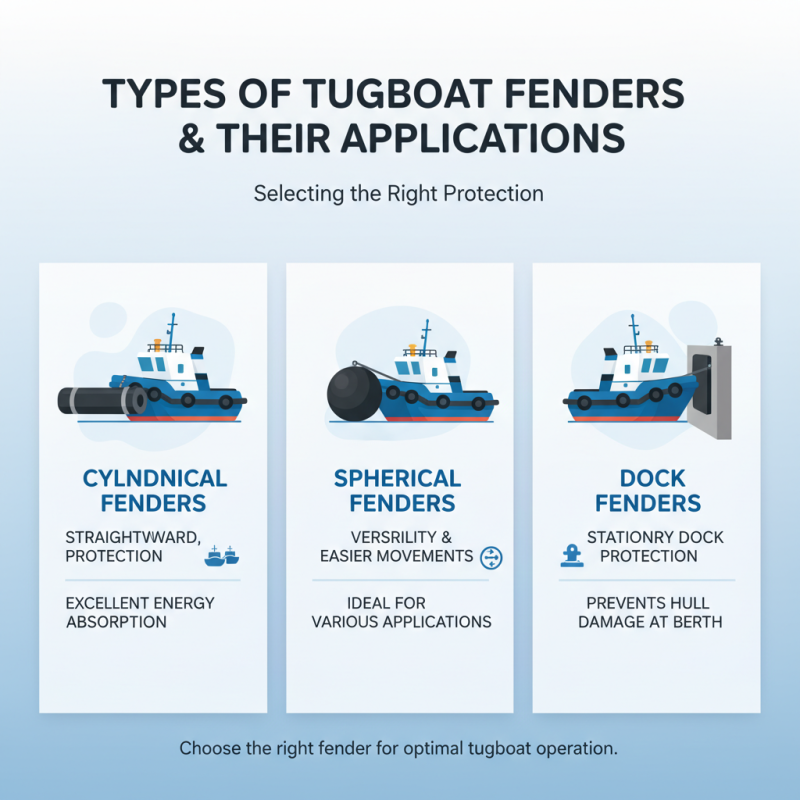
Types of Tugboat Fenders and Their Applications
When selecting the right tugboat fender, understanding the different types is crucial. Common options include cylindrical, spherical, and dock fenders. Cylindrical fenders are excellent for straightforward, efficient protection. They are popular for their ability to absorb energy during collision. Spherical fenders, on the other hand, provide versatility. They allow for easier movements, ideal for various applications.
Dock fenders cater to specific needs, especially in ports. These fenders are designed for impact resistance and stability. According to industry reports, proper fender selection can reduce damage costs by up to 30%. It's vital to consider the vessel's size and cargo type when choosing.
Tip: Always assess the fender's material. Rubber fenders can offer durability, while foam- filled options ensure lighter weights. Conduct a thorough evaluation of your operational environment before purchasing. Regular inspections are also essential. Damaged fenders can compromise safety and lead to costly repairs. Thus, taking time for careful selection can save significant expenses down the line.
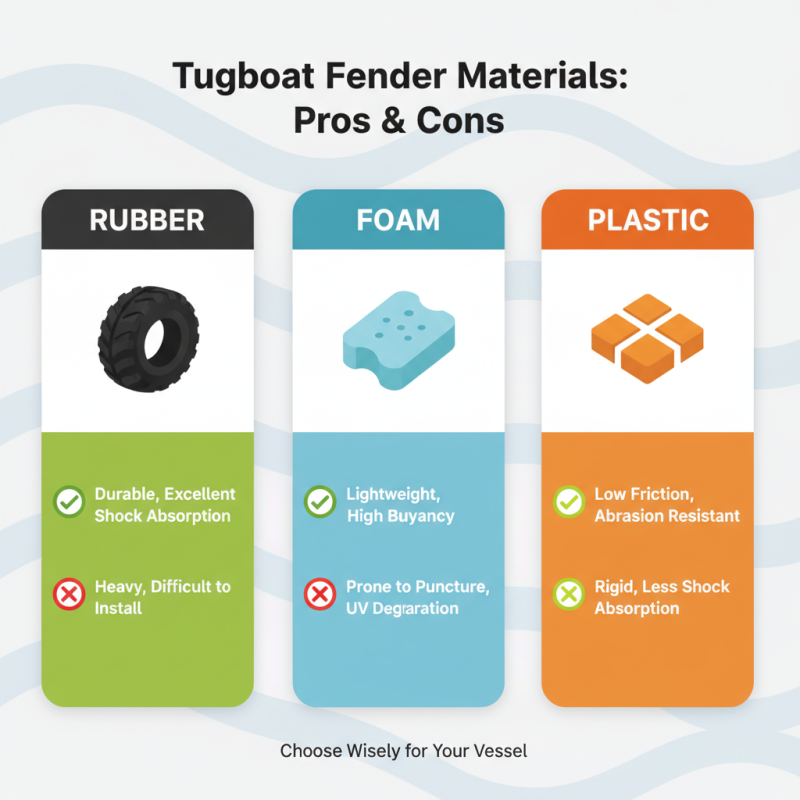
Material Options for Tugboat Fenders: Pros and Cons
When selecting the right tugboat fender, material choice is crucial. Common materials include rubber, foam, and plastic. Each option has unique benefits and drawbacks. Rubber fenders are durable, providing excellent shock absorption. They withstand harsh marine environments effectively. However, they can be heavy, making installation more challenging.
Foam fenders offer lightweight flexibility. They are easy to handle and often resistant to degradation. However, their longevity might be a concern in abrasive conditions. On the other hand, plastic fenders are cost-effective and resistant to corrosion. Despite this, they may not provide the same level of cushioning as rubber fenders.
Consider specific needs and operational contexts. What works for one dock may fail another. Testing different materials can yield insightful results. Understanding the trade-offs between longevity and performance is essential. Making an informed decision can significantly impact safety and efficiency.
Sizing and Installation Guidelines for Tugboat Fenders
When it comes to selecting the right tugboat fender, sizing plays a crucial role. A well-fitted fender can protect your vessel from damage during mooring operations. It is vital to consider both the hull size and the type of operations your tugboat will perform. Assessing the expected load and frequency of use will help in making an informed choice.
Tip: Measure the distance between your tugboat and the marine structures it will interact with. This will give you a basis for the size and type of fender needed. You might want to evaluate using multiple fenders to distribute the impact forces evenly.
Installation is another key aspect. Improperly installed fenders can lead to unforeseen consequences. Ensure that the fenders are securely mounted and at the correct height to absorb the most impact efficiently. Regular inspections after installation can identify wear or damage early on.
Tip: Consider using adjustable mounting systems to cater to different operational conditions. This flexibility can address changes in tide and weather, ensuring optimal fender performance. Also, reflect on how often you perform maintenance checks; it’s easy to overlook, but essential for longevity.
How to Choose the Best Tugboat Fender for Your Needs?
| Fender Type |
Recommended Size (Diameter) |
Installation Method |
Best Suited For |
Typical Lifespan |
| Solid Rubber Fender |
18 - 36 inches |
Bolted |
Harbor towing, medium-duty |
5 - 10 years |
| Foam-filled Fender |
12 - 24 inches |
Hanging |
Low-impact operations |
10 - 15 years |
| Inflatable Fender |
40 - 72 inches |
Tethered |
High-impact operations |
5 - 8 years |
| Cone Fender |
20 - 60 inches |
Welded |
Tugboat docking |
15 - 20 years |
Maintenance Tips for Ensuring the Longevity of Tugboat Fenders
Maintaining tugboat fenders is crucial for their durability and performance. Regular inspection is essential. Check for signs of wear like cracks or abrasions. Pay attention to areas that frequently encounter impacts. Even small damages can escalate if ignored.
Cleaning fenders is just as important. Use a mild detergent and fresh water to remove dirt and salt. This simple task can prevent premature deterioration. Always allow fenders to dry completely before storage. Wet conditions can lead to mold and mildew growth.
Proper storage also affects longevity. Keep fenders in a shaded, dry place when not in use. Avoid placing heavy objects on top of them. Over time, this can cause deformation. Additionally, consider using a protective cover to shield against environmental elements. Taking these steps will help ensure your tugboat fenders serve effectively for years to come.