China Top Tugboat Fender Types and Their Applications?
Tugboat fenders play a crucial role in maritime operations. They provide a protective buffer between tugboats and other vessels. Understanding the different types of tugboat fenders is essential for safe and efficient towing.
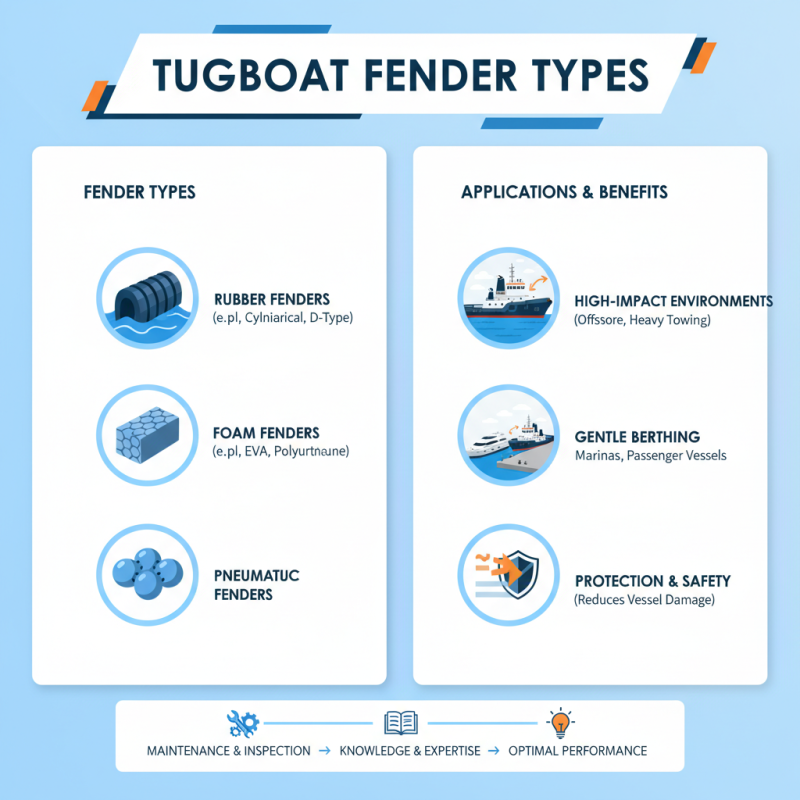
In China, various types of fenders are designed for specific applications. Some fenders are made from high-quality rubber, while others use foam materials. These options cater to different operational needs, such as high-impact environments or gentle berthing situations.
Choosing the right tugboat fender requires expertise. Factors include the weight of the tugboat and the nature of the waters. Quality matters, but so does ongoing maintenance and inspection. There is always room for improvement in our understanding of fender dynamics. Knowledge gaps can lead to costly mistakes in operations. Thus, continuous education is vital in making the best decisions for tugboat fender applications.
Types of Tugboat Fenders Commonly Used in China’s Maritime Industry
Tugboats play a vital role in maritime operations. One crucial component used extensively in this industry is fenders. In China, several types of tugboat fenders are commonly employed, each suited to specific applications.
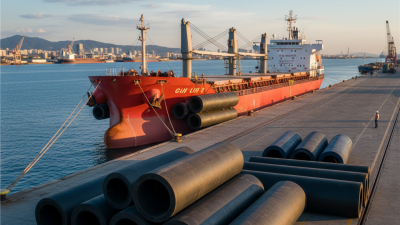
One popular type is the cylindrical fender. These fenders effectively absorb energy during ship docking and maneuvering. They are versatile and commonly used for ship-to-ship operations. Another common option is the D-type fender, which offers excellent stability. It's ideal for berthing situations, ensuring both the tugboat and the vessel remain safe from damage.
**Tips:** Always ensure that the fenders are inspected regularly. Wear and tear can lead to reduced efficiency. Understanding the specific needs of your operation will help you choose the right fender type. Consider seasonal conditions that may affect fender performance.
Lastly, there are cone-shaped fenders. They provide a unique structure for maximizing energy absorption. These are particularly beneficial in high-impact environments. However, correct installation is crucial for optimal function, and many neglect this point. A proper understanding of tugboat fender types can enhance safety in maritime activities.
China Top Tugboat Fender Types and Their Applications
| Fender Type |
Material |
Application |
Advantages |
| Inflatable Rubber Fender |
Rubber |
Harbor Operations |
Lightweight, Easy to handle |
| Foam Fender |
Polyurethane |
Tugboats, Barges |
Durable, High energy absorption |
| Solid Rubber Fender |
Rubber |
Permanent Installations |
Robust, Longer lifespan |
| Cell Fender |
Polyethylene |
Ports, Jetties |
Low maintenance, Economical |
| Compression Fender |
Rubber and Steel |
Ship-to-Ship Transfers |
High energy absorption, Versatile |
Material Composition and Design Features of Tugboat Fenders
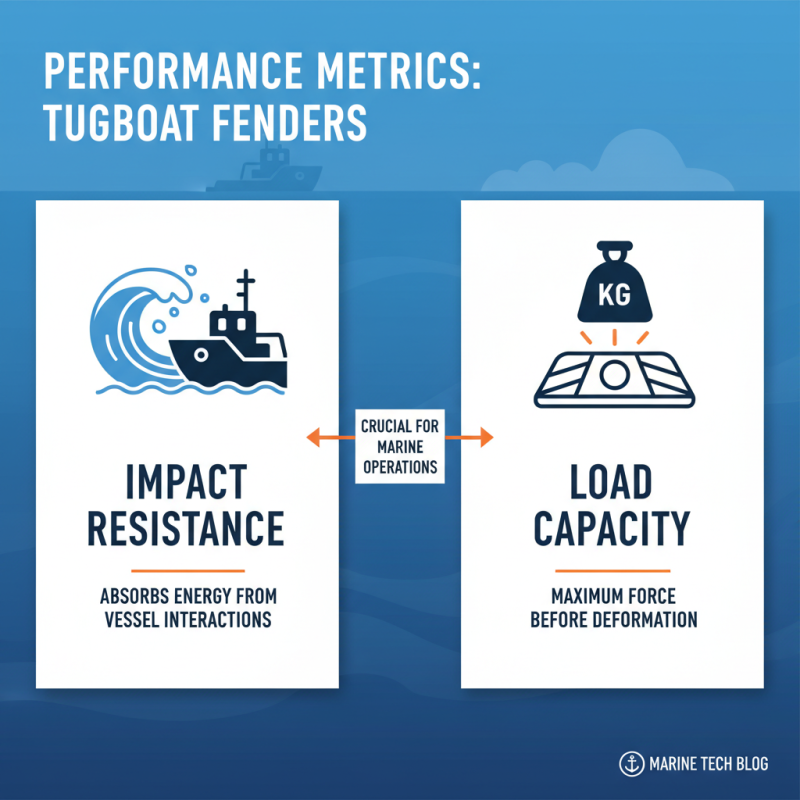
Tugboat fenders play a critical role in marine operations. Their design and material choices significantly impact their efficiency and durability. Commonly, fenders are constructed from various materials, including rubber, foam, and plastic. Each material offers unique benefits. For example, rubber fenders provide excellent energy absorption, while foam fenders are lightweight and buoyant.
The design features of tugboat fenders are tailored to withstand the harsh marine environment. Many fenders incorporate an outer layer that resists water and UV damage. The shape can vary, but cylindrical fenders are widely used due to their versatility. Some tugboat fenders also have reinforced edges for enhanced durability. The choice of shape and material often depends on specific operational needs.
Fender maintenance is essential for long-term functionality. Regular inspections can reveal wear and tear. Neglecting this can result in costly repairs or equipment failure. Users often overlook minor damages, which can escalate over time. Investing in high-quality materials often pays off, but it also requires ongoing diligence. Overall, understanding the material composition and design features can lead to more effective use of tugboat fenders.
Applications of Tugboat Fenders in Port Operations and Ship Handling
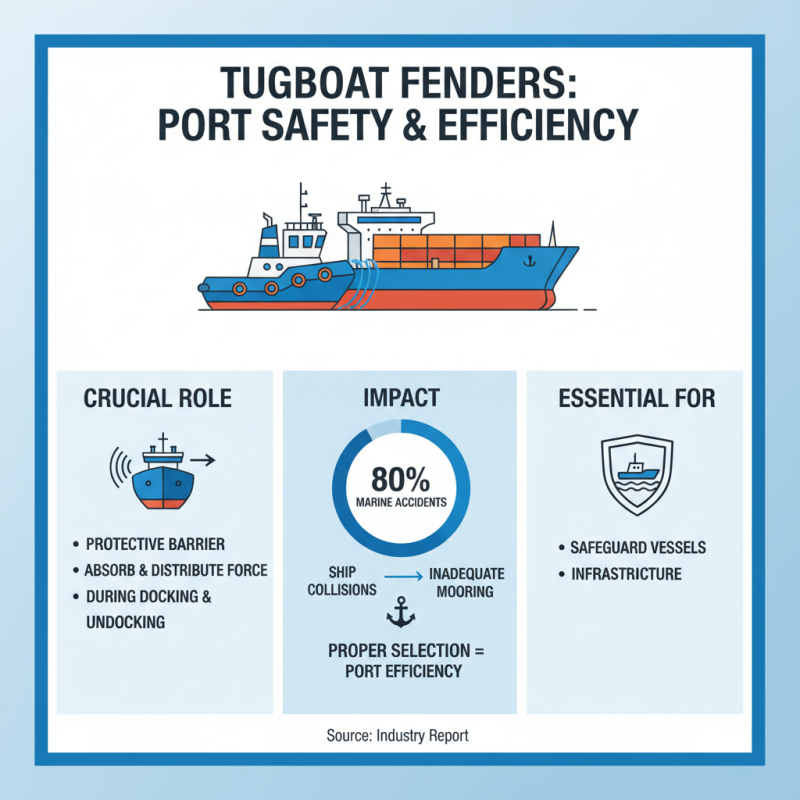
Tugboat fenders play a crucial role in port operations and ship handling. They serve as protective barriers, absorbing and distributing the forces that occur during docking and undocking. Proper fender selection can significantly impact the efficiency of port operations. According to a recent industry report, about 80% of marine accidents involve ship collisions, often due to inadequate mooring systems. Thus, effective application of fenders is essential for safeguarding both vessels and infrastructure.
Tugboat fenders vary in design, with common types including cylindrical, arch, and cone shapes. Each type is suited to different operational needs, such as larger vessels requiring robust cushioning or smaller crafts needing a tighter fit. Studies show that using the right fender can reduce impact forces by up to 60%. However, selecting the incorrect type may lessen performance and escalate risks. Many operations fail to assess local environmental conditions, which can affect fender durability and effectiveness.
It's important to recognize that fender systems demand regular maintenance. Neglecting the condition of fenders can lead to inefficient performance, exposing vessels to heightened risk. Experts recommend periodic inspections to identify wear and tear. Data from a global marine safety organization suggests that 30% of incidents occur due to fender failure, emphasizing the need for diligence. Proper knowledge and application are essential to mitigate these risks and promote maritime safety.
Future Trends and Innovations in Tugboat Fender Technology in China
Tugboat fenders play a crucial role in marine operations. In China, advancements in fender technology are shaping the industry. Innovations focus on materials that enhance durability and performance. Many manufacturers explore eco-friendly options that reduce environmental impact.
Smart technology is another trend. Sensors integrated into fenders monitor performance and alert operators to potential issues. This real-time data collection improves safety and efficiency. However, the transition to smart fenders can pose challenges, including costs and training employees to use new systems effectively.
User feedback shows mixed reactions. Some operators appreciate the innovations, while others are hesitant. This reluctance reminds us that technology must balance advancement and practical application. As the industry evolves, collaboration between manufacturers and users will be essential. Addressing concerns will ensure that the benefits of new technologies are realized effectively.