Top Road Bollards Types for Effective Traffic Management Solutions?
Effective traffic management is crucial for urban safety and efficiency. One essential element in this domain is road bollards. According to the International Road Assessment Programme, road safety can be significantly enhanced with the proper implementation of traffic control measures, including bollards. These structures not only direct traffic flows but also protect pedestrians from vehicle-related accidents.
Statistics suggest that areas with well-placed road bollards see a drop in collision rates by as much as 30%. The effectiveness of these barriers is evident in various cities around the world. For instance, London reported a 50% decrease in pedestrian accidents after installing a network of bollards in high-traffic zones. This illustrates the profound impact of using road bollards on urban safety and pedestrian comfort.
Despite their benefits, some issues can arise. Not all bollard types are suited for every environment, and improper design can lead to visibility concerns. Peer-reviewed studies highlight the need for careful planning. Choosing the right type of road bollard requires a balance between aesthetics, functionality, and safety. Advance planning is essential to avoid potential mistakes that could undermine their effectiveness.
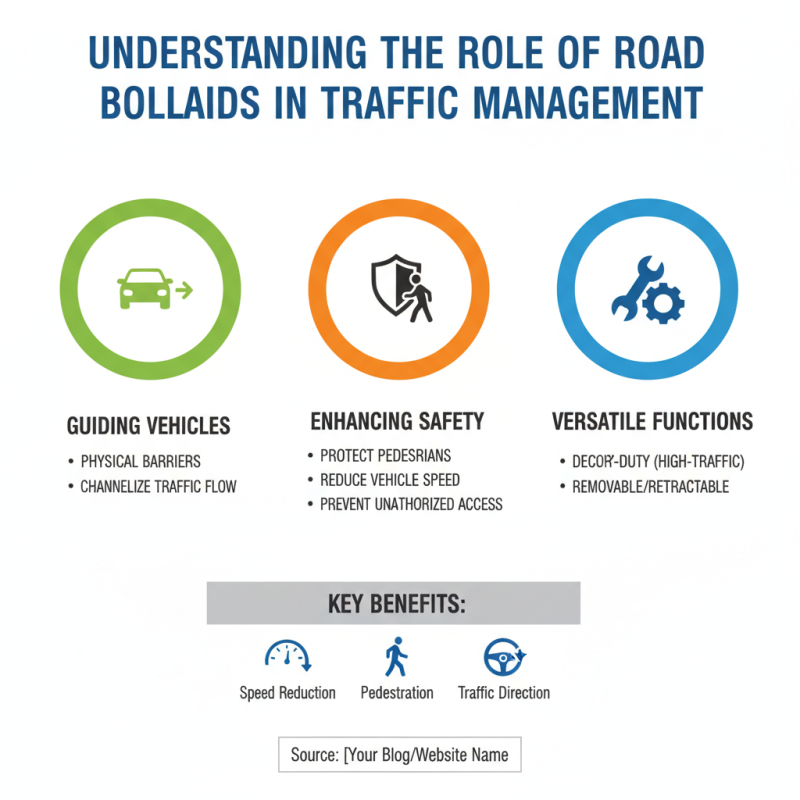
Understanding the Role of Road Bollards in Traffic Management
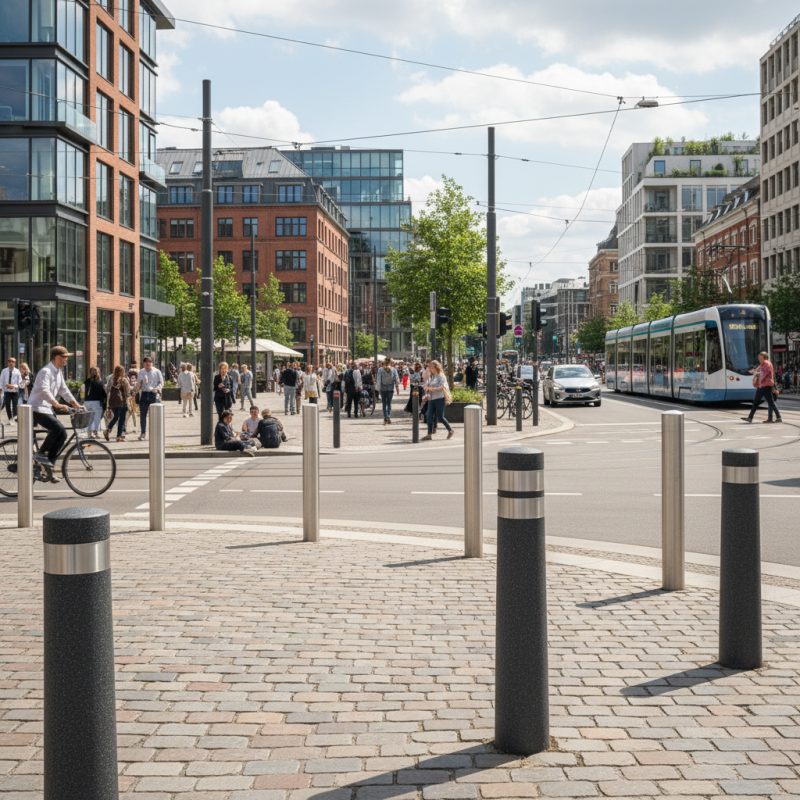
Road bollards play a crucial role in traffic management. They physically guide vehicles while enhancing safety on roadways. By using visible barriers, they direct drivers, reduce speed, and protect pedestrians. Various types of bollards serve different functions, from decorative designs in urban areas to heavy-duty models in high-traffic zones.
Understanding the function of road bollards is essential for effective traffic solutions. They deter unauthorized access and improve traffic flow. However, not all bollards are ideal for every situation. Some may lack the strength required for high-speed areas, while others might not blend well with local aesthetics. It's important to evaluate the specific needs of a location before choosing a bollard type.
Selecting the right bollard can be challenging. Factors like visibility, durability, and purpose must be considered. Visible bollards can prevent accidents, but they can also be a distraction if poorly placed. Reviewing case studies on bollard installations can offer valuable insights. Learning from real-world applications helps in making informed decisions for traffic management.
Material Considerations for Durable and Effective Bollards
When considering bollards for effective traffic management, material choices play a crucial role. Numerous materials are available, each with distinct advantages. Concrete offers durability and strength, while steel provides resistance to impacts. Plastic bollards are lightweight and cost-effective, but may not withstand heavy collisions. Choosing the right material ensures longevity and effectiveness in controlling traffic.
Tips for choosing bollard materials include evaluating your location's specific needs. Urban areas may require more robust solutions compared to rural environments. Consider the weather; materials that resist corrosion are essential in areas with heavy rainfall. Additionally, aesthetics matter. Select bollards that harmonize with your surroundings while still providing the necessary protection.
It's vital to reflect on maintenance. Some materials need more upkeep than others. Price can be tempting, but savings may lead to poorer safety outcomes. Always weigh your options carefully to prevent down the road issues. This thorough approach ensures that the chosen bollards meet traffic management goals effectively while remaining durable over time.
Top Road Bollards Types for Effective Traffic Management Solutions
| Bollard Type |
Material |
Durability |
Use Case |
Cost Estimate |
| Removable Bollards |
Steel |
High |
Security access control |
$150 - $300 |
| Fixed Bollards |
Concrete |
Very High |
Permanent road closures |
$200 - $500 |
| retractable Bollards |
Aluminum |
High |
Multi-purpose use |
$300 - $600 |
| Plastic Bollards |
Polyethylene |
Moderate |
Temporary barriers |
$50 - $100 |
| Traffic Separator Bollards |
Rubber |
Medium |
Traffic management |
$40 - $80 |
Design Features That Enhance Visibility and Safety
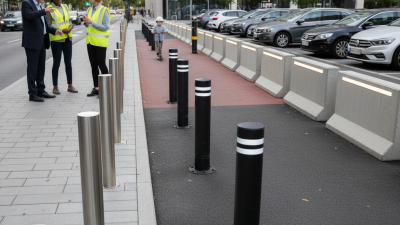
Effective traffic management relies heavily on the design features of road bollards. Visibility is crucial. Bright colors and reflective materials enhance awareness, especially in low-light conditions. Motorists and pedestrians alike benefit when bollards stand out against their surroundings. This simple design choice can prevent accidents and improve overall safety.
Another important aspect is the shape of the bollards. Rounded tops are less prone to cause injury in accidental collisions compared to sharp edges. Additionally, varying heights can communicate different messages to road users. Tall bollards can deter vehicles from entering certain areas, while shorter ones may enhance aesthetic appeal without hampering pedestrian access.
Despite the advancements in design, challenges remain. Many bollards become hidden over time due to poor maintenance or urban clutter. Regular inspection and upkeep are essential to maintain their effectiveness. A poorly placed or damaged bollard can diminish its intended purpose. As we refine these designs, there remains a need to reflect on their integration within diverse environments.
Best Practices for Installing and Maintaining Road Bollards
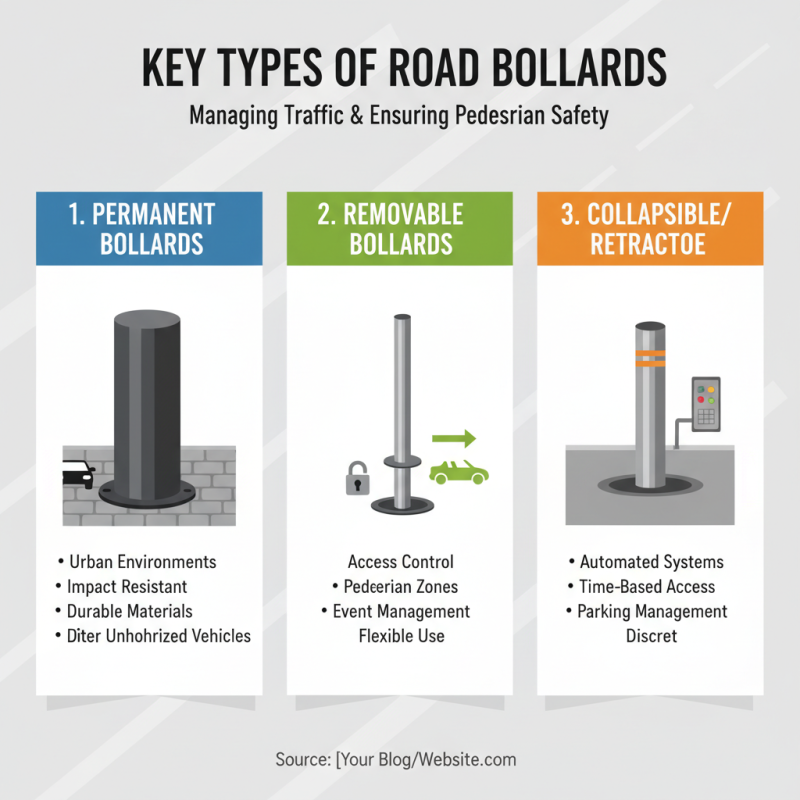
When considering road bollards, proper installation and maintenance are crucial. It’s essential to choose the right type of bollard based on specific traffic needs. For instance, removable bollards allow flexibility while permanent ones ensure strong barriers.
Maintaining bollards is often overlooked. Regular inspections help identify damage or wear. This includes checking for rust, paint chips, or structural weakness. Repairing these issues promptly can extend the lifespan of the bollards. Proper cleaning methods, such as pressure washing, can also keep them visually appealing.
Lastly, community input may guide placement. Engaging with local stakeholders can highlight areas needing enhancement. However, not all installations will meet every expectation. Some locations may still struggle with traffic control despite the best efforts. Evaluating and adjusting practices based on real-world effectiveness is vital for continuous improvement.