10 Essential Tips for Choosing the Right Parking Bollards?
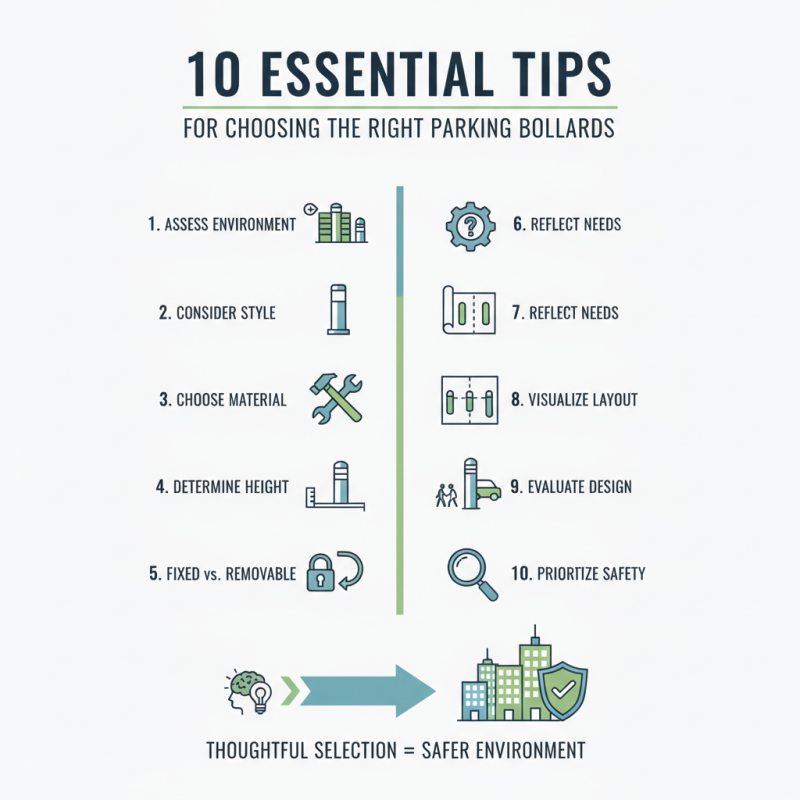
Choosing the right parking bollards can dramatically enhance safety and accessibility. These fixtures are not just practical; they are crucial for guiding traffic and protecting pedestrians. When selecting parking bollards, several factors come into play. Understanding the environment they will serve is essential. You need to consider the style, material, and height of the bollards.
Each type of bollard serves a different purpose. For instance, removable bollards provide flexibility, while fixed bollards offer security. Reflecting on your specific needs can help clarify your choices. Visualizing how these bollards integrate into your space is vital. Imagine the flow of traffic and how pedestrians will navigate around these fixtures.
It’s easy to overlook critical details, but every choice matters. The effectiveness of parking bollards rests on thoughtful selection. Evaluating their design and installation influences both functionality and appeal. This process may seem overwhelming, but it is a necessary step toward a safer environment. Take your time and weigh your options carefully.
Understanding the Purpose of Parking Bollards in Urban Planning
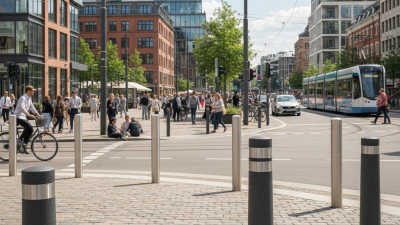
Parking bollards play a critical role in urban planning, influencing safety and accessibility. According to a report from the Urban Land Institute, effective use of bollards can reduce vehicle-related injuries by 40%. This highlights their importance in pedestrian-heavy areas. Properly designed bollards can guide traffic, protect sidewalks, and ensure safer environments for cyclists and walkers.
However, not all parking bollards are created equal. A study by the American Institute of Architects revealed that urban landscapes benefit from varied designs. Bollards should be selected based on their intended function—be it security, traffic control, or aesthetic appeal. Some municipalities have faced challenges with poorly chosen bollards, leading to increased costs and safety issues.
While selecting bollards, urban planners must consider materials, height, and placement. According to a survey by the Institute of Transportation Engineers, nearly 30% of accidents occur near improperly placed bollards. Ensuring that these fixtures align with the urban design goals is essential for creating safe and inviting public spaces.
10 Essential Tips for Choosing the Right Parking Bollards
| Tip No. |
Tip |
Purpose |
Material |
Design Type |
| 1 |
Determine the Location |
Safety and Traffic Control |
Steel |
Fixed |
| 2 |
Consider Durability |
Long-Term Investment |
Concrete |
Decorative |
| 3 |
Assess Visual Appeal |
Enhance Aesthetics |
Aluminum |
Modern |
| 4 |
Check Local Regulations |
Compliance |
Plastic |
Removable |
| 5 |
Evaluate Impact Resistance |
Protection Against Collisions |
Reinforced Steel |
Permanent |
| 6 |
Choose Appropriate Height |
Visibility and Effectiveness |
Stainless Steel |
Telescopic |
| 7 |
Consider Lighting Options |
Nighttime Safety |
Fiberglass |
Lighted |
| 8 |
Think About Maintenance |
Cost-Effective Upkeep |
Powder-Coated Steel |
Standard |
| 9 |
Assess Traffic Volume |
Crowd Control |
Cast Iron |
Heavy-Duty |
| 10 |
Plan for Customization |
Branding and Identity |
Custom Material |
Themed |
Evaluating Different Materials for Durability and Aesthetics
When selecting parking bollards, durability and aesthetics are key. Various materials impact both function and design. Steel, for example, offers strength and longevity. A report by the American Institute of Steel Construction shows that steel bollards can last over 30 years with proper maintenance. They withstand harsh weather and heavy impacts.
In contrast, concrete bollards provide robust protection, ideal for high-traffic areas. They can blend well with urban landscapes. However, cracks can develop over time, impacting their appearance and function. Reports mention that aesthetically pleasing designs can increase public safety perceptions. Choosing the right finish, like powder coating or paint, can enhance the look while protecting against corrosion.
Plastic bollards are lightweight and versatile. Yet, they may lack the strength of metal options. A striking design can attract attention but might require replacement sooner than expected. Balancing durability and visual appeal is essential. An investment in quality materials now can save costs and enhance the overall environment later.
Durability and Aesthetics of Parking Bollard Materials
Assessing the Impact on Vehicle and Pedestrian Safety
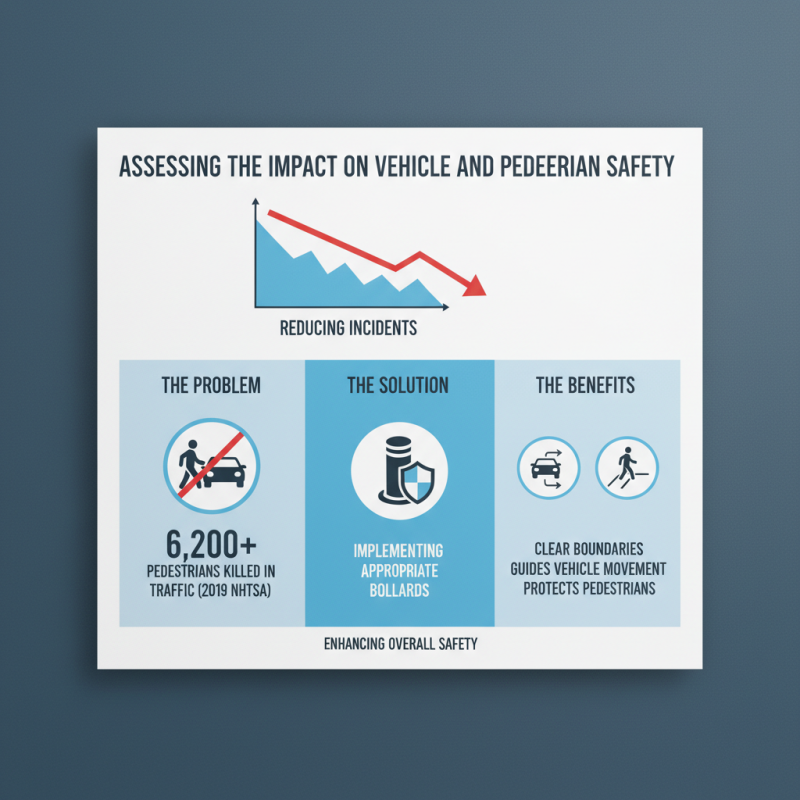
When selecting parking bollards, the focus on vehicle and pedestrian safety is paramount. According to the National Highway Traffic Safety Administration, more than 6,200 pedestrians were killed in traffic crashes in 2019 alone. Implementing appropriate bollards can significantly reduce these incidents by creating clear boundaries. Well-designed bollards help guide vehicle movement and protect pedestrians while enhancing overall safety.
The choice of material and design plays a critical role in effectiveness. Steel and concrete bollards are often regarded as superior for high-traffic areas, as they can withstand vehicular impacts. In contrast, decorative bollards, while aesthetically pleasing, may not provide the same level of safety. A study from the Institute for Traffic Safety Management suggests that the visibility of bollards also matters; brightly colored or reflective surfaces enhance awareness among drivers and pedestrians.
However, it is essential to evaluate the placement of these installations. Incorrectly positioned bollards can create blind spots for drivers, leading to potential accidents. Additionally, local authorities must consider regional traffic patterns and pedestrian flows. Striking the right balance between aesthetics and functionality is often challenging but crucial for ensuring safety.
Determining the Optimal Height and Visibility Requirements
When selecting parking bollards, determining the optimal height and visibility is crucial for ensuring safety and functionality. Generally, bollards should be tall enough to be seen from a distance without obstructing the view of drivers. A height of 36 to 42 inches is often recommended for maximum effectiveness. This height ensures they are noticeable while still blending into the surrounding environment. However, one must also consider local regulations that may specify minimum or maximum heights.
Visibility is not just about height; color and design play significant roles too. Bright colors or reflective materials can enhance visibility, especially at night. Choosing colors that stand out against the environment increases awareness of the bollards. Nevertheless, a balance must be found. Unnecessarily prominent designs can detract from the area’s aesthetic, making it feel cluttered or industrial. This can diminish the intended purpose of creating a safe and organized space.
Lastly, it's essential to think about the context in which the bollards will be used. Will they be near pedestrian paths or busy traffic areas? If so, consider adjusting the height and materials accordingly. It's beneficial to reflect on previous installations and their effectiveness. Continuous monitoring and feedback can guide future decisions, leading to safer and more effective bollard placements.
Considering Installation and Maintenance Costs for Longevity
Choosing the right parking bollards goes beyond aesthetics. Installation and maintenance costs can heavily influence their longevity. Investing in high-quality materials may require a higher upfront cost. However, it often leads to lower long-term maintenance expenses. Research indicates that durable bollards can reduce repair costs by up to 30% over five years.
Consider the environment where the bollards will be installed. Urban areas may experience more wear and tear. Therefore, heavier-duty options could be necessary. A report by the Transportation Research Board highlights that improper installation can double maintenance costs. This reflects the importance of hiring experienced professionals for the job.
Routine maintenance should not be overlooked. Annual inspections can prevent costly repairs. According to data from the American Public Works Association, well-maintained bollards extend service life by 15% or more. Investing in regular upkeep, despite initial costs, proves valuable over time. Thoughtful planning ensures that bollards can withstand the test of time while remaining cost-effective.