2026 How to Install Pole Bollards for Enhanced Safety and Security
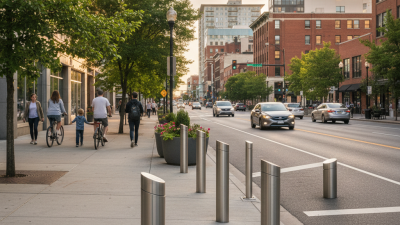
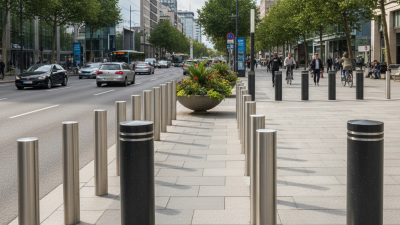
In urban landscapes, safety and security are paramount. One effective solution is the installation of Pole Bollards. These sturdy structures serve multiple purposes, from protecting pedestrians to securing property. They come in various designs, making them versatile for different environments. However, improper installation can compromise their effectiveness. Hence, it’s essential to follow precise guidelines.
When installing Pole Bollards, consider the location and spacing. Each setting has unique requirements, like parking lots versus public pathways. Miscalculating these factors can lead to issues such as inadequate protection or obstructed access. Furthermore, the durability and material quality must align with the intended use. Choosing the wrong type can result in damage over time, leading to costly repairs.
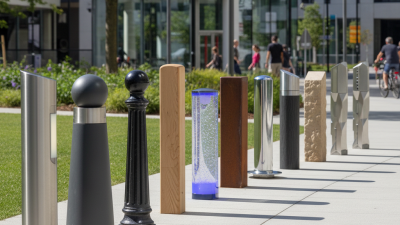
Despite their advantages, challenges exist. For instance, aesthetics may clash with security needs. Striking a balance is vital. Investing in professional advice can mitigate risks and enhance the overall impact of Pole Bollards. Being mindful of these details can lead to safer and more secure environments for everyone.

Installation Overview of Pole Bollards for Safety and Security Enhancement
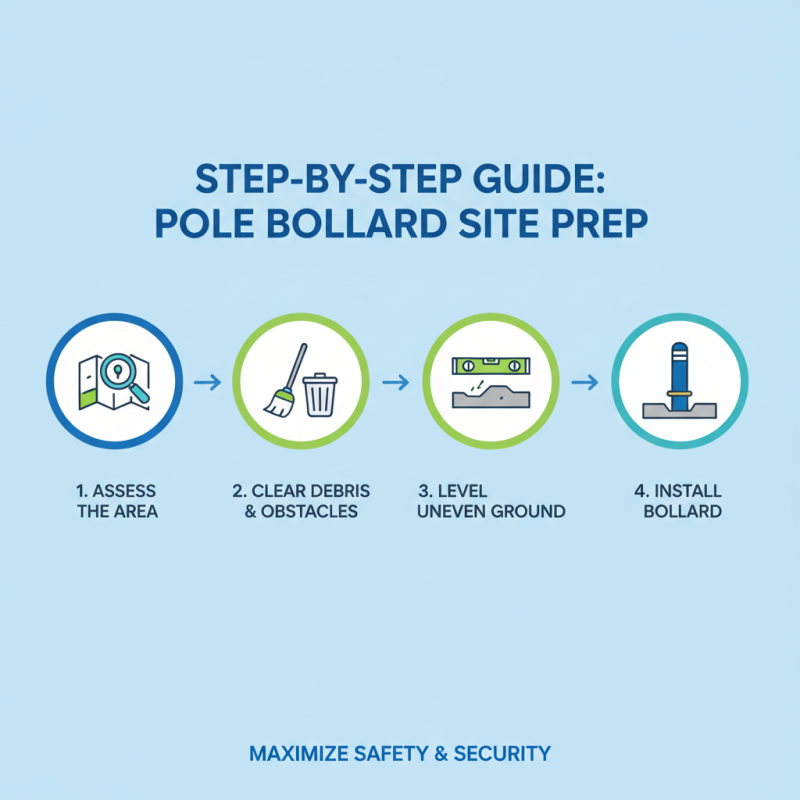
Pole bollards are becoming essential for enhancing safety and security in various environments. Proper installation is key to their effectiveness. The ground should be stable and free of debris before starting. Clear the area and mark the locations for each bollard. A typical spacing guideline is five to six feet apart, depending on the specific needs. This can vary based on local regulations and desired security levels.
When digging holes for the bollards, make them at least two feet deep. This depth allows for better anchoring and stability. Using concrete for setting the bollards ensures they remain in place, particularly in high-traffic zones. It's important to allow sufficient curing time for the concrete before putting the bollards to use. Remember, safety begins with the installation process.
After the installation, it's beneficial to review the placement and effectiveness. Are the bollards providing the necessary protection? Are they aesthetically pleasing in their surroundings? Regular inspections can help maintain their condition. Reflecting on these aspects can fine-tune security measures further and improve overall effectiveness. Adjustments might be necessary to enhance their role in safety.
2026 How to Install Pole Bollards for Enhanced Safety and Security
| Dimension |
Value |
| Bollard Height |
3 ft (36 inches) |
| Bollard Diameter |
6 inches |
| Material |
Steel |
| Weight |
150 lbs |
| Installation Depth |
2 ft (24 inches) |
| Recommended Spacing |
4 ft apart |
| Usage |
Parking lot security |
| Finish |
Powder coating |
| Color Options |
Black, Yellow, Red |
| Safety Certification |
ASTM F3016 |
Selecting the Right Type of Pole Bollards Based on Use Cases and Material
When selecting pole bollards, it's crucial to consider their intended use and materials. For example, cities often use steel for street protection due to its durability. A National Highway Traffic Safety Administration (NHTSA) report noted that properly installed bollards reduce vehicle-related injuries by up to 30%. This statistic underscores their importance in urban planning.
Plastic or composite materials serve well in light-duty applications. They are ideal for pedestrian areas, where aesthetic appeal matters. According to industry data, composite bollards can last up to 25 years with minimal maintenance. However, ease of installation can lead to overlooked safety issues. Regular assessments can help ensure they remain effective.
Tips: Always conduct a risk assessment before installation. Consider traffic patterns and potential hazards. Over-reliance on design can lead to vulnerabilities. Monitoring the condition of your bollards helps maintain their protective capabilities. Regular inspections can prevent accidents and enhance community safety.
Techniques for Proper Installation of Pole Bollards to Maximize Stability
Installing pole bollards can significantly enhance safety and security in various environments. Proper installation techniques are essential for maximizing stability and effectiveness. Ensure you choose the right material and design for your specific needs. Consider the location and purpose before making your selection.
Tips: Dig deep enough for the foundation. Aim for at least 30 inches, depending on the bollard height. This depth helps anchor the bollard firmly.
Next, use high-quality concrete for setting the bollards. A strong mix ensures durability against impact and environmental factors. Ensure the bollards are vertically aligned before the concrete sets. Misalignment can lead to weaknesses in the installation.
Tips: Always check your work at each step. An adjustment can save future headaches. And remember, engage professionals for large-scale installations. Their expertise can tackle complicated scenarios effectively.
Each site has unique conditions that influence installation methods. Reflect on your approach and remain flexible to make necessary adjustments.
Essential Maintenance Practices for Ensuring Long-term Effectiveness of Bollards
Bollards serve a crucial role in enhancing safety and security in various environments. However, their effectiveness hinges on proper maintenance practices. According to industry reports, approximately 30% of bollard-related failures stem from neglect in maintenance. Regular inspections can prevent these issues, ensuring long-term functionality.
To maintain bollards effectively, start by checking for physical damage. Look for dents, rust, or any signs of wear. A damaged bollard could compromise safety. It's also important to assess the surrounding area for debris that might affect the bollard's visibility or operation. Documenting these inspections is essential. A maintenance log can highlight trends in wear over time.
Tips: Consider scheduling quarterly inspections. Engaging with professionals for detailed assessments can help. Additionally, assess the ground conditions around the bollards. Uneven surfaces can challenge their performance. Strive to maintain clear visibility by trimming any obstructing foliage. Stay proactive to ensure your bollards remain reliable and functional throughout their lifespan.