2026 Top Cell Rubber Fender Options for Global Buyers?
The maritime industry constantly seeks effective solutions for ship protection. Among these solutions, Cell Rubber Fenders stand out due to their versatility and performance. As global shipping expands, the demand for high-quality fenders grows. Buyers face a myriad of choices, making it essential to understand the best options available.
Cell Rubber Fenders are designed to absorb impacts efficiently. Their unique cell structure allows for excellent energy absorption. This minimizes damage to both vessels and docks, providing reassurance to operators. However, selecting the right fender can be challenging. Options vary in size, shape, and material, which can confuse buyers.
Understanding these options is crucial for making informed decisions. It's important to consider factors such as durability, maintenance, and installation ease. Discussions around the strengths and weaknesses of different models can lead to better choices. Emphasizing quality can help reduce the frequency of replacements, ultimately saving money. While there are many products available, thorough research and expert guidance can help navigate the complexities of purchasing Cell Rubber Fenders.
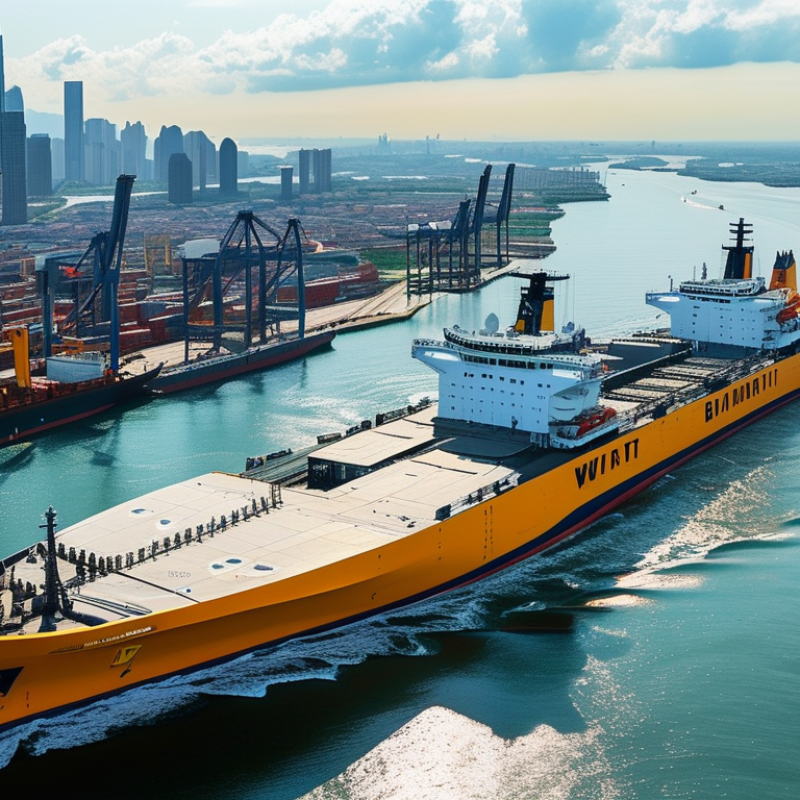
Overview of Cell Rubber Fenders and Their Applications
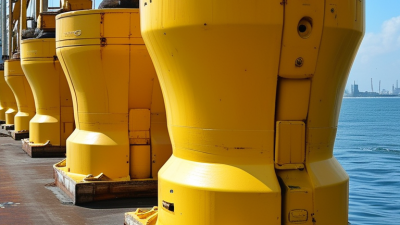
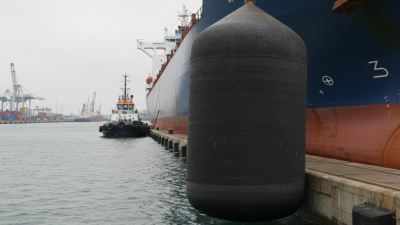
Cell rubber fenders are vital in maritime applications. They protect vessels during docking and mooring operations. These fenders absorb impact energy, thereby minimizing damage to ships and port facilities. Recent studies indicate that cell rubber fenders can reduce impact forces by 60% compared to traditional fenders. This makes them a reliable option for busy harbor environments.
The versatility of cell rubber fenders makes them suitable for different structures. They are often used in ports, oil rigs, and shipyards. Each application may require specific designs or materials. For instance, studies noted that larger cell fenders are more effective for high-traffic areas. However, the choice must balance performance and cost. Some buyers might prioritize lower prices without fully considering long-term durability.
Despite their advantages, not all fender systems are created equal. Variations in manufacturing standards can lead to quality issues. It’s crucial for buyers to examine factors such as density, compression strength, and environmental resistance. Technical specifications often fluctuate widely across different suppliers. Buyers should be cautious and inform themselves adequately before making decisions, ensuring they focus on long-term value, not just upfront costs.
Key Features to Consider When Choosing Cell Rubber Fenders
When considering cell rubber fenders, several key features should guide your decision. Durability is essential. High-quality materials ensure that fenders withstand harsh marine environments. Look for fenders that resist UV rays, saltwater, and physical wear. This can significantly extend their lifespan. Weight and buoyancy are also crucial. Fenders should provide adequate cushioning while remaining easy to handle.
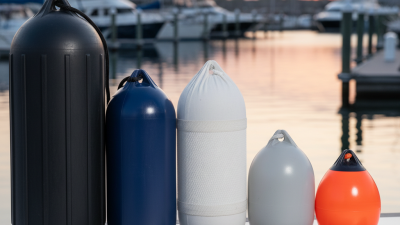
Another important factor is the design and size. Make sure the fender fits the type of vessel it will be used with. Different sizes accommodate various docking scenarios. Some fenders are better suited for larger ships, while others excel in smaller craft. A poorly matched fender can lead to increased damage, adding to repair costs.
Finally, consider the installation and maintenance requirements. Simple installation procedures save time during setup. Regular maintenance checks are necessary to ensure they remain effective. Neglecting regular inspections can result in unforeseen failures. Reliable fenders are ones that can be trusted to perform their function without constant oversight. Each of these features contributes to a fender’s overall effectiveness in protecting your vessel.
Top Manufacturers and Brands of Cell Rubber Fenders in 2026
In 2026, the market for cell rubber fenders is evolving. An array of manufacturers is supplying various options to meet the demands of global buyers. These fenders are crucial for protecting vessels and docks, absorbing energy during impacts. They come in several shapes and sizes, providing flexibility for different applications.
When selecting cell rubber fenders, consider the manufacturer’s track record. Experience matters greatly in this industry. Brands with a solid reputation often provide superior durability and performance. Look for options that have passed extensive testing to ensure they can withstand harsh marine conditions.
Some fender designs may not fit every environment perfectly. Evaluate the specific needs of your dock or vessel. Customized solutions could be necessary to avoid future issues. Investing time in research will lead to better choices that ensure safety and longevity. Observing the feedback from other buyers can also offer valuable insights into performance and reliability.
2026 Top Cell Rubber Fender Options for Global Buyers
| Fender Type |
Material |
Diameter (mm) |
Length (mm) |
Buoyancy (kg) |
Price Range (USD) |
| A Type Cell Fender |
Rubber |
500 |
2000 |
250 |
1000 - 1500 |
| B Type Cell Fender |
Polyurethane |
600 |
2500 |
300 |
1200 - 1600 |
| C Type Cell Fender |
Nitrile Rubber |
700 |
3000 |
400 |
1500 - 2000 |
| D Type Cell Fender |
EPDM Rubber |
800 |
3500 |
500 |
1400 - 1900 |
Comparative Analysis of Different Types of Cell Rubber Fenders
Cell rubber fenders are vital for marine applications. They absorb the energy of vessels striking the dock. There are various types to consider when making a purchase. Each has unique benefits and drawbacks. According to industry reports, the global market for marine fenders is set to grow, driven by increased shipping activities.
A comparative analysis reveals three main types of cell rubber fenders: cylindrical, square, and conical. Cylindrical fenders are often preferred for their versatility and performance. Research shows that they can handle higher energy absorption, making them ideal for busy ports. Square fenders provide excellent stability, while conical fenders are suitable for high-speed applications. Yet, the choice depends on the specific needs of the port environment.
Consider factors such as installation ease and maintenance. Some fender designs may require more upkeep than others. For instance, while conical fenders are effective, they can be more complicated to install. Additionally, the material quality varies across manufacturers and can significantly impact longevity. Focus on the intended application to choose the right type.
Fender selection can be overwhelming. Consulting with experts or using case studies can provide clarity. Make informed decisions based on thorough evaluations. Prioritize fender types that align with your operational demands.
Global Market Trends and Future Outlook for Cell Rubber Fenders
The demand for cell rubber fenders is increasing globally, driven by rising shipping activities. They play a crucial role in protecting vessels during docking. These fenders absorb impact effectively, reducing damage to both ships and ports. As industries expand, the need for reliable protective solutions grows.
Market trends indicate a shift towards high-performance materials. Buyers are now looking for fenders that offer durability and increased reliability. Innovative designs that enhance performance are becoming popular. However, some manufacturers may prioritize cost over quality, leading to potential issues. Buyers must carefully evaluate options based on their specific needs and operational environments.
Sustainability is becoming an important factor in the cell rubber fender market. Eco-friendly materials and production processes are gaining traction. Companies should continue to innovate while also considering environmental impact. The future of cell rubber fenders will likely see advancements, but challenges remain. Understanding these dynamics is key for informed purchasing decisions.