What is Security Bollards and Their Importance in Urban Safety?
In the ever-evolving urban landscape, safety and security have become paramount concerns. Security bollards play a crucial role in enhancing urban safety. These sturdy posts are designed to control vehicle access and protect pedestrians. Urban safety expert, Dr. Emily Carter, emphasizes their importance by stating, "Security bollards are essential in safeguarding public spaces from vehicular threats." Her insights shed light on how these structures contribute to safer environments.
Security bollards not only deter unauthorized vehicles but also direct traffic flow. They come in various designs, from fixed to collapsible types, adapting to different needs. In crowded areas, they serve as visible barriers, creating a sense of safety for pedestrians. However, while they provide essential protection, not all installations are flawless. Some cities struggle with the aesthetic balance between security and urban design, leading to considerations of both form and function.
Despite their benefits, it’s vital to reflect on the implementation of security bollards. Careful planning is necessary to avoid obstructing emergency access. Also, community feedback can guide more effective placement strategies. As cities continue to grow, the role of security bollards in urban safety will remain an important discussion, blending operational efficiency with community needs.
Definition and Purpose of Security Bollards in Urban Settings
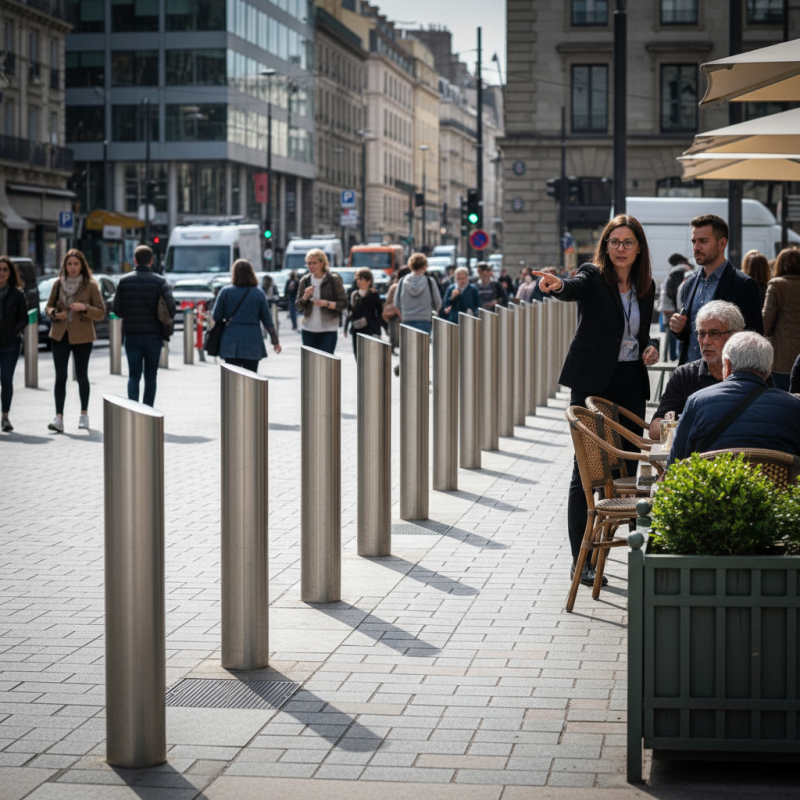
Security bollards are essential in urban environments. They function as physical barriers to protect pedestrians and property from vehicles. These posts can be found in various settings, such as shopping areas, parks, and government buildings. Their primary purpose is to prevent unauthorized vehicle access and reduce the risk of accidents.
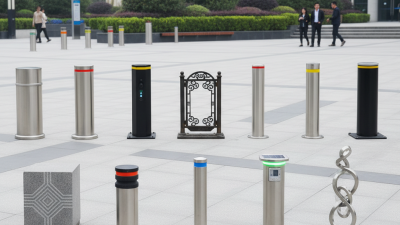
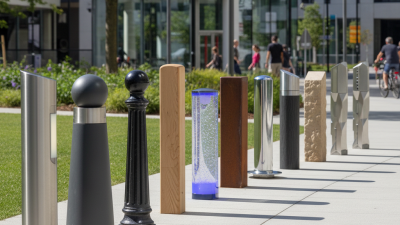
Bollards come in different shapes and materials. Some are designed to blend seamlessly into the environment, while others are made to withstand high impacts. Urban planners often prioritize their use in crowded spaces. However, the effectiveness of bollards depends on their placement and design. A poorly positioned bollard can create hazards instead of preventing them.
Tips: When considering bollard installation, assess your location’s specific needs. Choose the right height and material for maximum protection. Regular maintenance checks are necessary to ensure they remain effective. If bollards obstruct pedestrian flow, it may lead to safety concerns. Balance aesthetics and functionality for the best results.
Importance of Security Bollards in Urban Safety
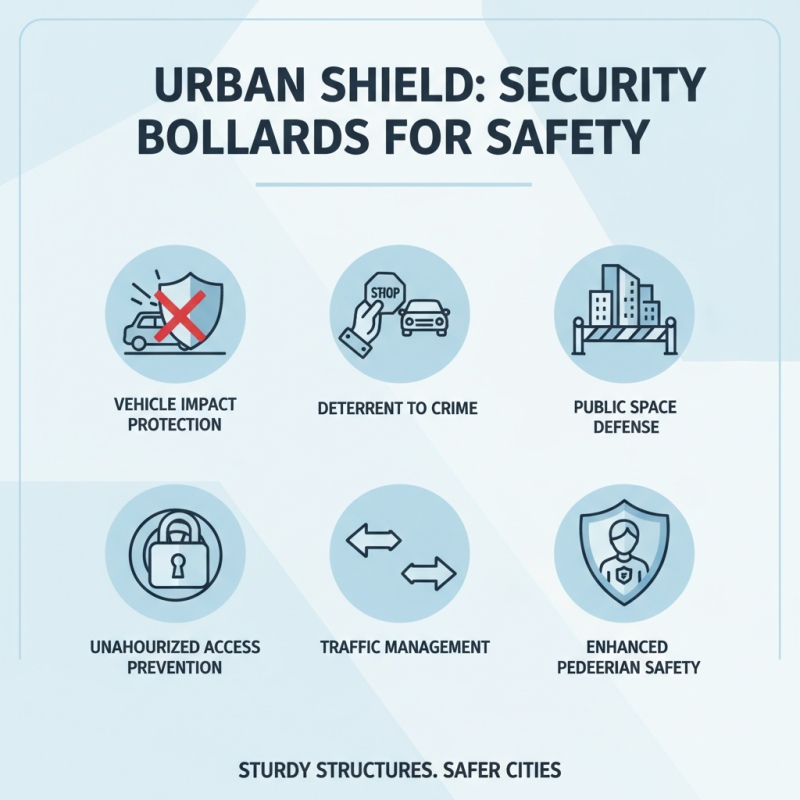
Security bollards play a crucial role in enhancing urban safety by preventing vehicle accidents, providing protection against terrorism, controlling traffic, adding aesthetic appeal, and managing access to restricted areas. The chart illustrates the importance rating of each function based on a scale from 1 to 10.
Types of Security Bollards and Their Specific Applications
Security bollards serve as crucial components in enhancing urban safety. They act as physical barriers designed to protect pedestrians and infrastructures from vehicular attacks. The National Institute for Justice reports that effective physical security measures can reduce crime rates by up to 25%.
There are several types of security bollards, each with specific applications. Fixed bollards provide permanent protection in high-risk areas like government buildings and airports. Removable bollards allow for flexible traffic management in urban areas during bustling events. According to a report by the International Security Industry Association, retractable bollards, which can be lowered for vehicle access, have become popular in busy city centers, optimizing both security and accessibility.
However, the effectiveness of security bollards also depends on their proper placement and integration into urban design. Misalignment or inadequate spacing may create vulnerabilities. Urban planners must continuously reassess their strategies to adapt to evolving threats. As cities grow, the balance between openness and security remains a challenging task.
Benefits of Security Bollards for Urban Safety and Crime Prevention
Security bollards play a crucial role in enhancing urban safety. They are commonly used to protect public spaces from vehicle-related incidents. Their presence can deter potential threats, minimizing the risk of accidents and crimes. These sturdy structures are effective barriers against unauthorized vehicular access. Urban planners increasingly recognize their importance.
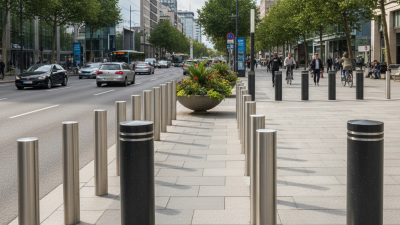
One significant benefit is the clear definition of pedestrian areas. Bollards create safe zones for walking and biking, encouraging community interaction. They help control traffic flow in crowded areas, reducing congestion around popular spots. However, not all bollards are created equal. Some cities face challenges in selecting the right kind and placement for maximum effectiveness. This could lead to vulnerabilities in certain locations.
Moreover, while they improve safety, the maintenance of these structures is often overlooked. Rust and damage can undermine their protective purpose. It’s vital for city officials to conduct regular inspections and repairs. Ignoring this may lead to unintended consequences. Finding a balance between aesthetics and functionality can also be tricky. Cities may struggle to integrate them into existing designs. These challenges highlight the need for ongoing discussions about urban safety measures.
Design Considerations for Effective Security Bollard Implementation
Security bollards serve as vital components in urban environments, providing physical barriers to protect pedestrians and buildings from vehicle-related incidents. Effective design considerations are crucial to their implementation. Bollards must be strategically placed to effectively control traffic while ensuring pedestrian safety. According to recent studies, improper placement can reduce the effectiveness of these barriers by over 30%.
Material selection is equally important. Bollards should be made from high-impact resistant materials. Reports have shown that steel and concrete options can withstand significant forces, reducing the risk of injury. Color and visibility also matter. Brightly colored bollards are more likely to catch attention, which could prevent accidents.
Height and spacing are factors that should not be overlooked. Bollards should be tall enough to discourage vehicular access but not so tall that they obstruct visibility. Spacing must accommodate pedestrian flow without creating entrapment areas. Interestingly, many cities fail to adequately assess these factors, leading to ineffective installations.
Urban planners must continually refine their strategies based on real-world feedback to enhance safety.
Case Studies: Successful Use of Security Bollards in Various Cities
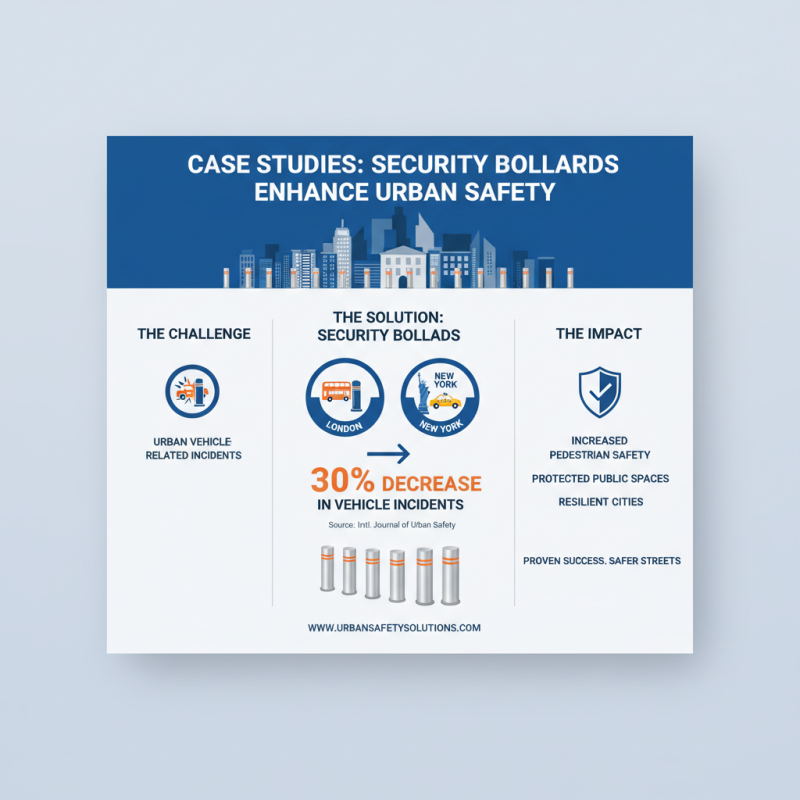
In urban environments, security bollards prove essential for enhancing safety. Cities like London and New York have successfully implemented these barriers. According to a report by the International Journal of Urban Safety, cities that installed security bollards saw a 30% decrease in vehicle-related incidents.
In London, the installation of retractable bollards in pedestrian zones significantly reduced unauthorized vehicle access. This initiative not only safeguarded pedestrians but also improved foot traffic in local businesses. Similarly, New York’s use of fixed bollards in Times Square promoted a safer public space, especially after high-profile attacks aimed at pedestrians. Such interventions show that urban infrastructure can protect communities effectively.
Despite these successes, some challenges persist. In some cities, residents express concerns about visibility and aesthetics. Others question the effectiveness of bollards in high-speed areas. Data indicates that while bollards reduce risk, they may not eliminate it entirely. Continuous evaluation remains crucial to ensure that these security measures adapt to evolving urban needs. Implementing a blend of safety measures can lead to better outcomes.