What is a Parking Bollard and How Does it Work?
Parking bollards are essential features in urban planning and traffic management. These sturdy, vertical posts play a crucial role in protecting pedestrians and property from vehicular intrusion. Their presence helps to create a safer environment in busy areas, ensuring that vehicles remain within designated zones.
Understanding how parking bollards work involves recognizing their various types and functionalities. Some are fixed, while others can be retractable or removable, offering versatility for different situations. These structures can enhance aesthetics in public spaces, blending seamlessly with the city’s design. Despite their benefits, improper installation or misuse can lead to challenges.
There is an ongoing debate about the effectiveness of parking bollards in truly preventing accidents. Not all bollards are created equal; some may fail under heavy impact. This raises concerns about quality and reliability. By delving into the specifics of parking bollards, we can appreciate their significance while also questioning how to improve their implementation for greater safety.
What is a Parking Bollard?
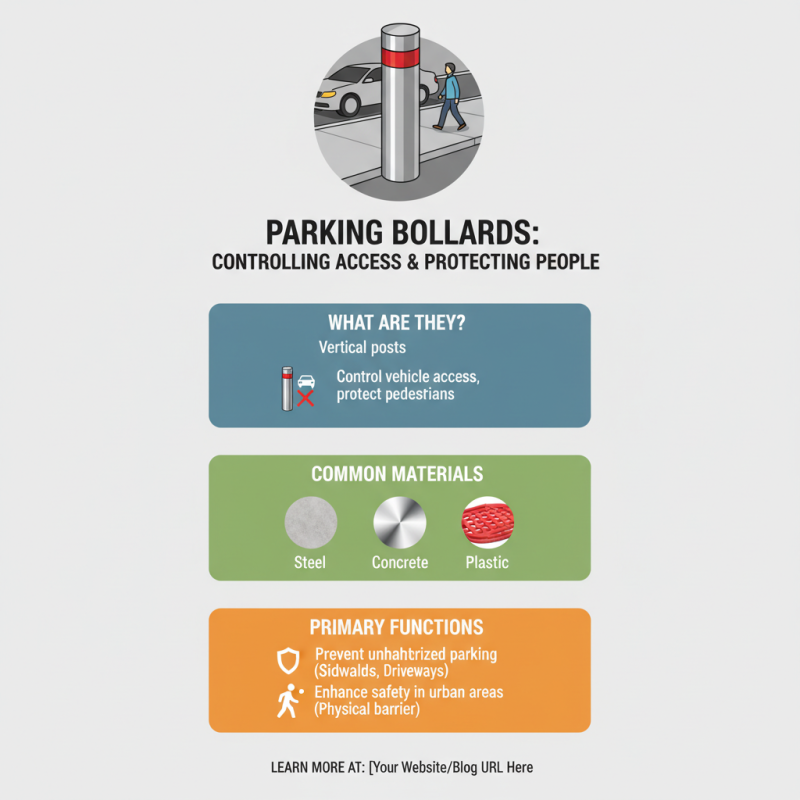
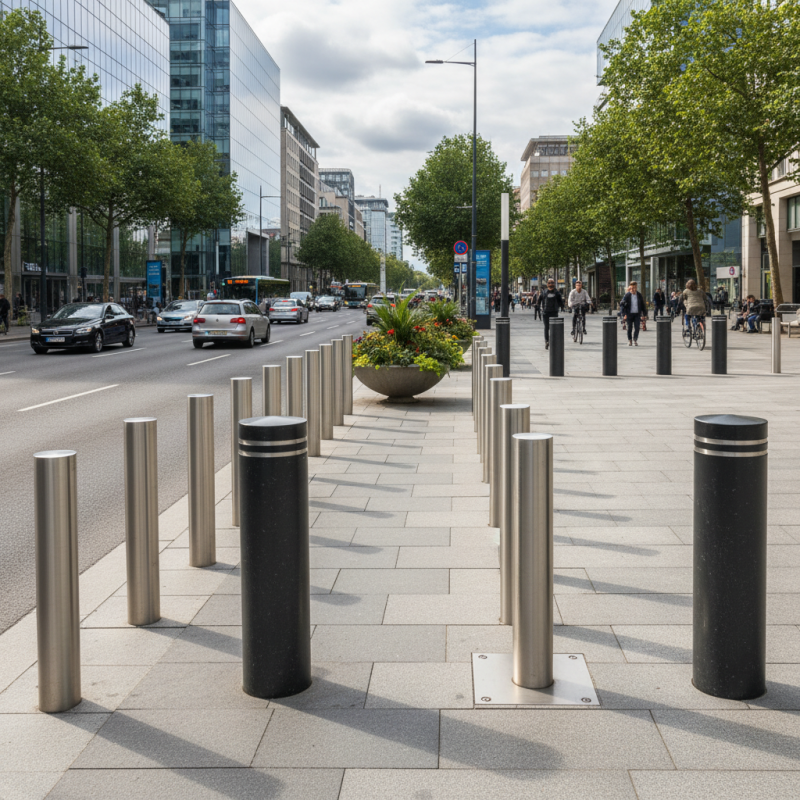
Parking bollards are vertical posts designed to control vehicle access and protect pedestrians. These sturdy fixtures can be made of various materials, including steel, plastic, or concrete. Their primary function is to prevent unauthorized parking in specific areas, such as sidewalks, driveways, or loading zones. Bollards enhance safety in busy urban environments, creating a physical barrier between vehicles and pedestrians.
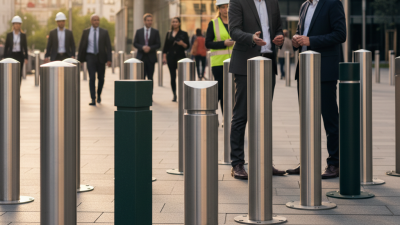
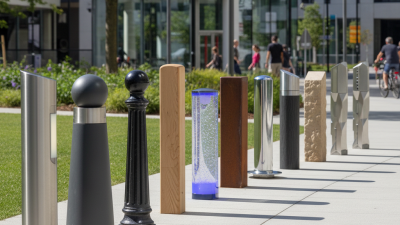
The design of a parking bollard can vary greatly. Some are fixed, while others are retractable, allowing for controlled access. They come in different heights and styles, providing flexibility to architects and city planners. In some cases, they even feature bright colors or reflective surfaces for increased visibility. However, their maintenance can sometimes be overlooked. Weather and frequent usage may lead to wear and tear, requiring regular inspections.
Bollards play a crucial role but are not foolproof. Over time, they can be damaged by collisions or vandalism. This raises questions about urban design and the responsibility of local governments to ensure their upkeep. While they serve a purpose, the effectiveness of bollards is heavily reliant on proper installation and ongoing maintenance. Therefore, city planners must continuously evaluate their strategies for using these fixtures effectively.
The History and Evolution of Parking Bollards
Parking bollards have a rich history dating back to ancient civilizations. Initially, they were used to deter carriages from entering pedestrian areas. These early bollards were typically made of stone or wood, serving both functional and aesthetic purposes. As urban environments evolved, the need for regulated parking solutions became more pressing.
In the 20th century, parking bollards transformed with advancements in materials and design. The introduction of innovative materials, such as reinforced concrete and metals, improved durability and safety. Industry reports indicate that effective use of bollards can reduce unauthorized vehicle access by nearly 60%. This shift highlights society's growing focus on pedestrian safety and urban planning.
However, the implementation of bollards isn't without challenges. Some cities struggle with aesthetic integration into existing landscapes. Additionally, improper placement can cause accidents rather than prevent them. Ongoing assessments of bollard placement and function may ensure better outcomes. Understanding their evolution helps cities maximize their benefits while minimizing drawbacks.
Types of Parking Bollards and Their Applications
Parking bollards are versatile and functional elements commonly seen in urban environments. These sturdy posts serve various purposes, particularly in controlling vehicle access and protecting pedestrians. Different types of parking bollards cater to multiple needs, ensuring safety and organization.
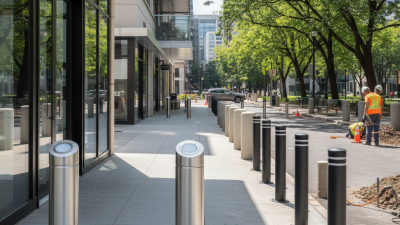
One popular type is the fixed bollard, which provides a permanent barrier in specific areas. They are often used in places like shopping malls or residential complexes to prevent unauthorized parking. Removable bollards offer flexibility. They can be taken out when access is required, making them ideal for events or temporary setups. Another type is the retractable bollard, which offers automated control. These can be raised or lowered at the touch of a button.
In terms of materials, bollards can be made from concrete, metal, or plastic. Each material has its advantages and drawbacks, impacting durability and aesthetic appeal. However, some users may overlook maintenance, leading to wear and tear over time. Reflecting on these choices is essential for ensuring that the right bollard is installed for specific applications, balancing both function and design effectively.
What is a Parking Bollard and How Does it Work? - Types of Parking Bollards and Their Applications
| Bollard Type |
Material |
Height (inches) |
Base Diameter (inches) |
Applications |
| Fixed Bollard |
Steel |
36 |
6 |
Traffic Control, Parking Lots |
| Retractable Bollard |
Aluminum |
30 |
5 |
Access Control, Emergency Access |
| Flexible Bollard |
Plastic |
36 |
4 |
Road Safety, Bicycle Lanes |
| Illuminated Bollard |
Steel |
24 |
6 |
Pathway Lighting, Decorative Use |
| Traffic-Cone Bollard |
Rubber |
18 |
8 |
Construction Zones, Temporary Barriers |
How Parking Bollards Function Mechanically and Electronically
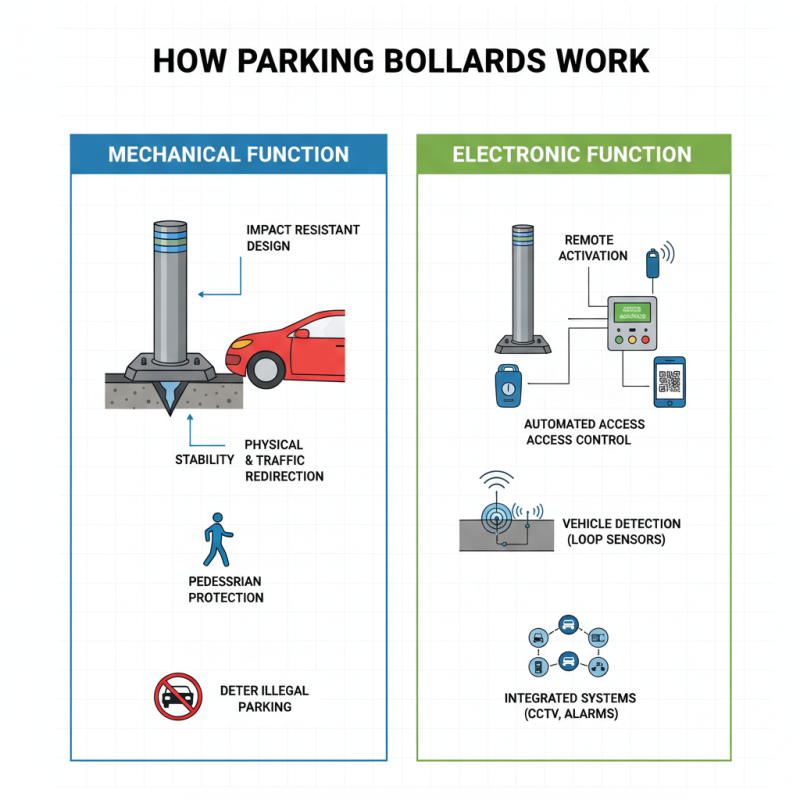
Parking bollards serve a crucial role in managing vehicle movement in urban areas. These sturdy posts, made from materials like steel or plastic, can be static or retractable. Their primary function is to create physical barriers, redirecting traffic and protecting pedestrians. Mechanically, they are often weighted down for stability. Some are designed to withstand high-impact forces. Their mere presence can deter illegal parking, showcasing their effectiveness.
Electronically, parking bollards have evolved with technology. Many now feature integrated sensors and remote control systems. These smart bollards can be raised or lowered with a simple command. Additionally, some models are connected to mobile apps, allowing users to track their status. This technological upgrade makes them adaptable in busy environments. However, reliance on tech can lead to vulnerabilities. Malfunctions or power outages could disrupt their intended functions, raising concerns about dependability.
While parking bollards are usually reliable, they are not infallible. Maintenance is crucial to keep electronic components working correctly. Additionally, drivers sometimes misinterpret their presence, leading to confusion. Awareness and education about the purpose of these barriers can enhance safety. As cities grow, finding a balance between technological advancements and practical application remains a challenge.
Benefits of Using Parking Bollards in Urban Design
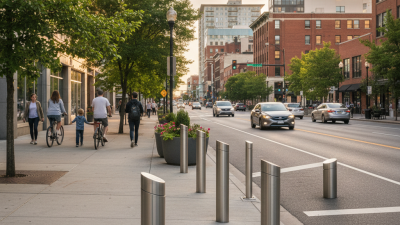
Parking bollards play a vital role in urban design. They enhance safety and organization in busy areas. These sturdy posts deter vehicle access in pedestrian zones. They help manage traffic flow, reducing accidents involving pedestrians. In densely populated urban environments, this is crucial for maintaining a safe space for everyone.
Using parking bollards can also improve aesthetics. Many designs blend seamlessly into city landscapes. They can be customized to reflect local culture or branding. This feature adds character to urban spaces while serving a practical purpose. However, not all designs may satisfy every city’s needs.
Tips: Consider the placement of bollards thoughtfully. They should not obstruct pedestrian pathways. Evaluate styles that harmonize with the surrounding architecture. Regular maintenance is key. Check for wear and damage; replace when necessary.
Although bollards are effective, communities should assess their impact continuously and adapt as needed.