Cylinder Fender Buying Tips for Global Sourcing Success?
When sourcing Cylinder Fenders, expertise is crucial. The global marine industry is increasingly reliant on effective fendering systems. According to a recent report by Marine Insight, the Cylinder Fender market is projected to grow at a CAGR of 5.2% over the next five years, indicating a rising demand for quality products.
Dr. John Miller, a leading expert in marine engineering, emphasizes the importance of making informed purchasing decisions. He states, "Quality Cylinder Fenders are essential for safety and efficiency in marine operations." As companies venture into global sourcing, understanding specific requirements and regional standards becomes imperative.
However, many buyers overlook critical factors. Subpar materials or inadequate supplier vetting can lead to failures. Engaging with experienced manufacturers, seeking certifications, and requesting case studies can significantly mitigate risks. Ensuring reliable supply chains is not just advantageous; it is a necessity in today’s competitive market.

Understanding Cylinder Fender Types and Applications
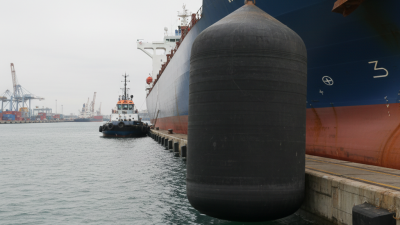
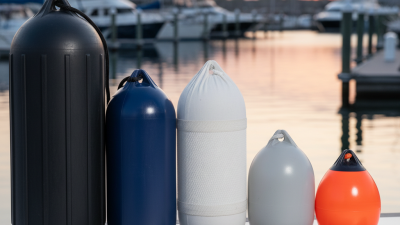
Cylinder fenders are crucial maritime accessories. They protect vessels and docks from damage during mooring. Understanding their types helps in making informed purchasing decisions. Common types include solid, inflatable, and foam-filled fenders. Each type serves different purposes and environments.
Solid fenders offer durability. They are often used in busy ports due to their resistance to wear. Inflatable fenders, on the other hand, are lightweight and flexible. They are ideal for smaller craft or temporary docking situations. Foam-filled fenders combine benefits of both. They remain buoyant even if punctured, ensuring continuous protection.
Choosing the right fender involves more than just specifications. Consider the application and location. Do you need high-impact resistance? Or is flexibility your priority? Local maritime conditions also matter. Regular maintenance is a constant challenge and may require reflection on long-term reliability.
Cylinder Fender Types and Their Applications
Evaluating Material Quality and Durability for Cylinder Fenders
When sourcing cylinder fenders, evaluating material quality is crucial. The lifespan of these fenders heavily relies on the materials used. Common options include rubber and polyurethane. Each has distinct advantages and limitations. Rubber provides excellent shock absorption but may degrade faster under UV exposure. Polyurethane, on the other hand, is more resistant to the elements but can be pricier.
Understanding durability is equally important. Manufacturers often test fenders for abrasion resistance and weathering. However, not all testing methods are equal. It's essential to inquire about these standards and request proof of performance. Some suppliers may claim high durability without robust data.
End-users should consider real-world experiences as well. Customer reviews and case studies can offer valuable insights. Yet, not all feedback is trustworthy. Look for patterns instead of isolated comments. Identifying long-term performance concerns can help inform your purchasing decision. Always ask the tough questions. How will this fender perform over time? What guarantees do you have? Engaging suppliers on these points can lead to better sourcing outcomes.
Cylinder Fender Buying Tips for Global Sourcing Success - Evaluating Material Quality and Durability for Cylinder Fenders
| Material |
Density (kg/m³) |
Hardness (Shore A) |
Tensile Strength (MPa) |
UV Resistance (hours) |
Temperature Resistance (°C) |
| Foam Polyethylene |
30 |
45 |
8 |
1000 |
-40 to 70 |
| Natural Rubber |
1000 |
60 |
20 |
500 |
-10 to 80 |
| EPDM Rubber |
800 |
70 |
16 |
1500 |
-30 to 100 |
| PVC |
1400 |
75 |
25 |
1000 |
-20 to 60 |
Assessing Sourcing Options: Local vs. Global Suppliers
When sourcing cylinder fenders, the choice between local and global suppliers can significantly impact your project. Local suppliers offer more accessible communication and quicker response times. However, global suppliers can provide competitive pricing and a wider range of options. Assessing your specific needs is crucial in making this decision.
Consider the benefits of local sourcing. You can build relationships more easily. This often leads to better service. You can visit suppliers in person, ensuring quality control. But local options may lack diversity and innovation. A limited selection could hinder your project’s success.
On the other hand, global suppliers frequently have advanced technologies and unique designs. Yet, they might present challenges. Time zone differences and language barriers could complicate communication. There can be long lead times for shipments. Balancing these factors is essential.
When sourcing cylinder fenders, here are some tips: Research potential suppliers thoroughly. Check reviews and seek recommendations. Always ask for samples before making larger commitments. Be prepared to negotiate terms to suit your needs.
Key Factors in Pricing and Cost Considerations for Buyers
When sourcing cylinder fenders, pricing and cost considerations are crucial. Buyers should evaluate various factors that influence overall expenses. These factors include material quality, production methods, and transportation costs. For example, higher-quality materials often lead to better durability. However, they may also increase initial costs. It's essential to find a balance between quality and affordability.
Another significant aspect is supplier reliability. Ensure that suppliers have a strong track record. This can reduce risks related to delayed shipments or poor-quality products. Additionally, understanding market trends can aid in making informed decisions. Prices can fluctuate based on demand. Staying updated with industry news is important for effective sourcing.
Buyers should not overlook total cost analysis. This includes not only the purchase price but also shipping, taxes, and potential duties. Comparing quotes from multiple suppliers can reveal hidden costs. It is wise to ask detailed questions during the procurement process. Transparency from suppliers is vital for building trust and ensuring successful transactions. Reflecting on these elements can help in refining sourcing strategies.
Negotiating Contracts and Terms with Cylinder Fender Manufacturers
Negotiating contracts with cylinder fender manufacturers is crucial for global sourcing success. Start by researching potential suppliers. Understand their production capabilities and reputation in the market. Always verify their certifications. A manufacturer’s experience can indicate reliability.
When entering negotiations, define your requirements clearly. Specify materials, dimensions, and delivery timelines. This precision helps avoid misunderstandings later. Be ready for counter-offers. Some manufacturers might propose changes. Carefully evaluate each suggestion. Decide what compromises are acceptable.
Price is just one aspect of a contract. Pay attention to payment terms, warranties, and after-sales support. Many buyers forget these details. Disputes often arise from vague agreements. Clarity protects your interests and fosters long-term relationships. Remember, every deal has room for improvement. Reflect on past negotiations to refine your approach.