How to Choose Warehouse Bollards for Industrial Safety?
Choosing the right Warehouse Bollards is a practical safety decision, not merely a purchasing task. In a busy facility, forklifts turn sharply, pallets overhang, and visibility changes with every shift. A poorly selected barrier may look strong but fail at the loading dock.
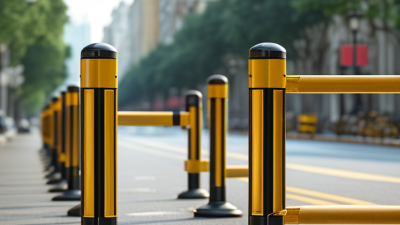
Warehouse safety consultant Tom Reddon offers a useful principle: “The best warehouse safety program is the one people follow when nobody is watching.” That idea applies directly to bollard selection. Protection must be visible, correctly positioned, and easy for workers to understand. Bright yellow steel, reflective bands, and suitable spacing can guide traffic before contact occurs. Still, appearance cannot replace tested impact performance.
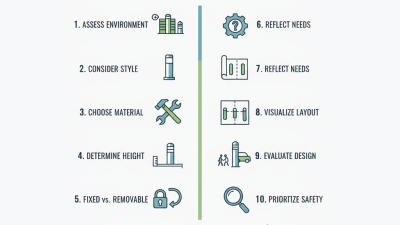
Start by studying the real hazards. Measure forklift routes, pedestrian crossings, rack corners, dock edges, and vulnerable doors. Then compare bollard material, diameter, height, anchoring method, and energy rating. Removable models may suit changing work zones, while fixed steel units can protect permanent structures. Flexible polymer systems may reduce vehicle damage, but they are not ideal for every impact condition.
Check the floor condition carefully. Weak concrete can undermine a strong bollard. Review manufacturer test data, installation instructions, and maintenance needs. A bollard installed too close to a rack may create a new collision point. That detail is easy to miss.
Walk the warehouse during normal operations. Watch blind corners. Ask forklift operators what feels unsafe. Their experience may challenge the original layout. No selection is perfect, and warehouse conditions change. Regular inspections, damaged-unit replacement, and occasional risk reviews keep Warehouse Bollards effective long after installation.
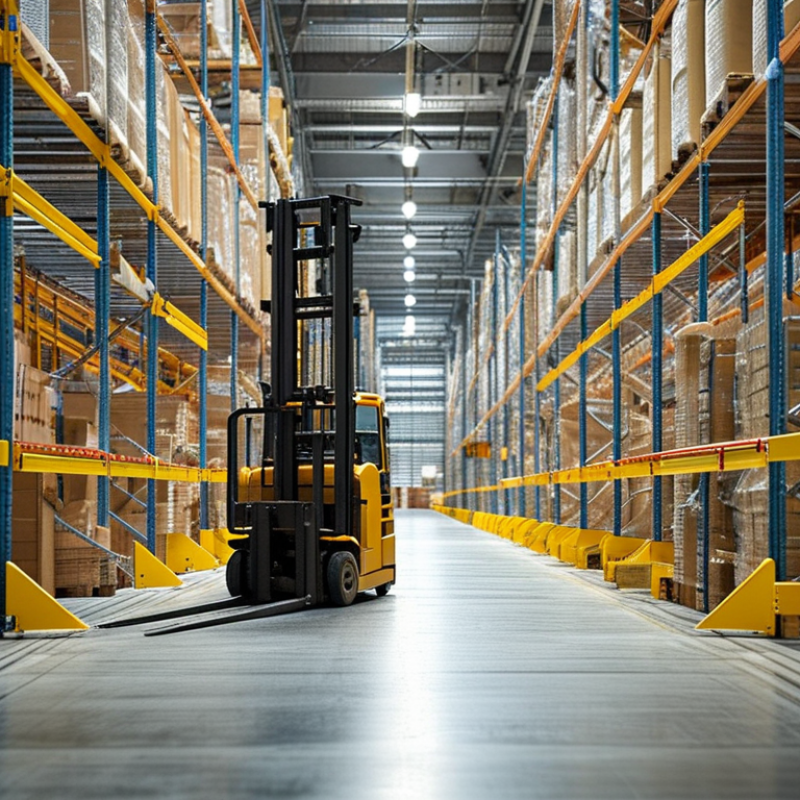
Define the Purpose and Risk Level of Warehouse Bollards
How to Choose Warehouse Bollards for Industrial Safety?
Defining the purpose and risk level should guide every warehouse bollard decision. A barrier near a loading dock faces different hazards than one beside a pedestrian walkway. Map vehicle routes, turning points, blind corners, storage zones, and emergency access paths. Observe actual traffic during busy shifts, not only during quiet inspections.
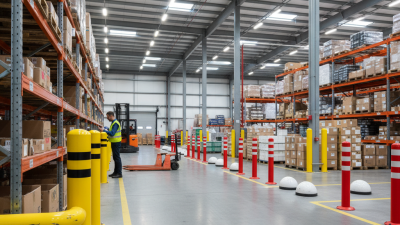
Consider the likely impact source. Small carts may need light protection, while forklifts require stronger steel barriers with suitable anchoring. Measure vehicle speed, load weight, impact height, and clearance space. Bollards protecting racking need different spacing from those guarding doors, columns, or control panels. Bright finishes and reflective markings improve visibility, especially near dim dock entrances. Keep sightlines clear. A poorly positioned bollard can create a new collision risk.
One mistake is choosing protection by appearance. It may look solid but fail under repeated impacts. Check material thickness, base-plate design, installation depth, and the condition of the concrete floor. Review maintenance records after installation. A damaged barrier should not remain in service simply because replacement feels inconvenient. Reassess the layout when equipment, aisle widths, or shift patterns change. Risk levels are not permanent. Even careful teams can overlook unusual movements, such as a forklift reversing with an oversized pallet. That detail deserves attention.
Identify the Types of Bollards for Different Warehouse Areas
Warehouse bollards should match the hazards found in each area, not simply fill empty floor space. OSHA estimates that forklifts cause about 85 workplace deaths and 34,900 serious injuries annually in the United States. That figure makes impact protection a daily control, not a decorative upgrade.
Use fixed, high-visibility steel bollards beside pedestrian doors, emergency exits, electrical cabinets, and rack ends. Their anchored posts create a clear physical boundary. For loading docks, choose heavy-duty impact-rated bollards or guardrails around dock levelers, columns, and wall corners.
Removable bollards can suit temporary aisles, maintenance zones, or changing storage layouts. Flexible polymer posts work better near low-speed traffic paths where repeated minor contact is expected. They may not stop a loaded forklift.
Different areas need different protection. Practical warehouse audits often find that rack uprights receive attention, while sprinkler valves and charging stations remain exposed. FM Global property-loss guidance emphasizes protecting structural columns, storage systems, and critical equipment from mobile-equipment impacts. Measure forklift routes, turning radii, load heights, and mounting surfaces before selecting a product. Impact strength alone is not enough. Poor anchoring can make a strong bollard ineffective. Check visibility, spacing, corrosion resistance, and inspection access. A useful design may still fail when pallets hide it. Review the layout after seasonal changes, because warehouse traffic rarely stays predictable.
Evaluate Materials, Dimensions, and Impact Resistance
How to Choose Warehouse Bollards for Industrial Safety?
Material selection should follow the hazard, not appearance. Steel bollards suit frequent forklift contact and high-energy zones, while polymer models can absorb minor impacts and reduce floor damage. In site assessments, I look for corrosion, anchor condition, and hidden cracking after every collision. OSHA estimates that powered industrial trucks cause about 85 fatal incidents and 34,900 serious injuries annually in the United States. That figure makes material quality a practical safety decision, not a design preference (OSHA, Powered Industrial Trucks eTool).
Dimensions must match the warehouse’s traffic pattern. Measure forklift width, turning radius, pallet overhang, pedestrian routes, and the protected asset’s clearance. A tall post may protect a column but obstruct visibility near a crossing. A short post may look neat. It may fail. Many facilities use bollards around 900–1200 millimetres high, but this range is not a universal requirement. HSE’s Workplace Transport Safety guidance emphasizes separating vehicles and pedestrians through physical controls and clear route planning.
Impact resistance requires numbers. Calculate approximate impact energy with E = ½mv², using the loaded vehicle mass and realistic speed. Then compare that energy with independently tested bollard performance. Ask for test conditions, anchor details, deflection, and replacement requirements. A product rated only for static load is not enough. FM Global property-loss guidance also stresses preventing vehicle impact near vulnerable equipment and storage systems. I would document one weakness: real operators may exceed planned speeds, especially near dispatch doors. Design for that uncomfortable possibility.
How to Choose Warehouse Bollards for Industrial Safety?
Evaluate materials, dimensions, and impact resistance before selecting fixed or removable protection.
Impact-energy benchmark: The chart shows the ideal kinetic energy of a 1,500 kg vehicle at different speeds, calculated using E = ½mv². Actual bollard performance depends on anchoring, embedment depth, spacing, vehicle geometry, and energy absorption.
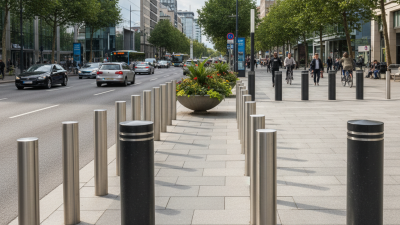
Material and sizing guidance: Galvanized carbon steel is commonly selected for high-strength industrial protection, stainless steel for corrosive environments, ductile iron for robust fixed installations, and polymer systems for visibility or lower-energy separation. Typical industrial bollards are approximately 114–219 mm in diameter and 900–1,200 mm above finished floor level. Select a tested impact rating above the expected vehicle energy and verify the complete installation system.
Plan Bollard Placement for Traffic and Equipment Protection
Choosing warehouse bollards starts with movement, not appearance.
Walk the site during a busy shift. Watch forklifts turn near rack ends, dock doors, columns, and pedestrian crossings. Mark impact points on a simple floor plan. Measure vehicle width, load overhang, turning radius, and stopping distance. A bollard placed too close can reduce visibility or force a dangerous correction. A little space matters.
Place bollards outside the forklift’s swept path, while keeping vulnerable assets within their protection zone. Use heavier, tested barriers near dock edges and charging equipment. Use lower-profile protection where sightlines and pedestrian access are critical. Confirm the impact rating against expected vehicle mass and speed.
Check anchoring, slab thickness, drainage, and maintenance access before drilling. Protect fire exits, sprinkler controls, and emergency routes without narrowing required clearance. Dimensions should follow local safety requirements and verified equipment data. Do not treat spacing as universal.
Paint and reflective markings help, especially in dim aisles, but they do not replace physical separation. Review placement after operators test normal routes. Ask where loads swing and where pedestrians actually pause. That feedback often reveals blind corners missed on drawings. Plans are rarely perfect. Repositioning one bollard may improve safety more than adding five. Record inspections after impacts, because a bent post can hide damaged anchors or concrete. Update the layout when racking, traffic patterns, or equipment changes.
Check Installation Methods, Visibility, and Maintenance Needs
How to Choose Warehouse Bollards for Industrial Safety?
Installation quality matters more than appearance.
OSHA estimates that powered industrial trucks cause about
35,000 serious injuries and
62,000 non-serious injuries annually in the United States.
A poorly installed bollard can become another hazard.
Select surface-mounted bollards for flexible layouts and core-drilled models for heavier impact zones.
Verify slab thickness, reinforcement, anchor depth, and manufacturer-rated impact capacity before drilling.
Keep pedestrian aisles clear.
A practical mistake is placing protection too close to turning paths. Forklift operators then strike the barrier while avoiding it.
Visibility needs continuous attention.
Use high-contrast colors, reflective bands, and adequate lighting near dock doors, corners, and blind intersections.
ANSI/ISEA 107-2020 provides useful guidance on fluorescent and retroreflective materials, although it does not directly specify warehouse bollards.
The Liberty Mutual 2024 Workplace Safety Index estimated
$58.5 billion in direct workers’ compensation costs from the ten leading serious injury causes.
Struck-by risks deserve careful review.
Maintenance should include monthly inspections and immediate checks after impacts.
Look for bent posts, loose anchors, cracked concrete, faded coatings, and damaged reflectors.
Clean dirt from reflective surfaces. Replace damaged parts promptly.
A barrier that looks strong may already be weakened. Teams should record inspections, impact locations, and recurring traffic patterns.
That record can reveal a design problem, not just careless driving.