How to Choose the Right Warehouse Bollards for Your Facility?
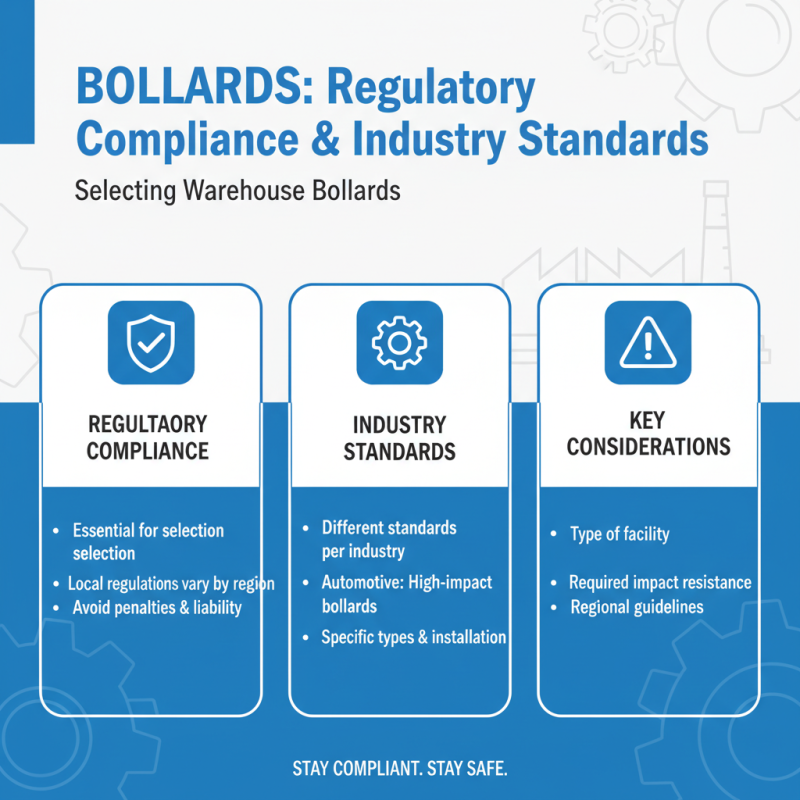
In the realm of warehouse management, selecting the right warehouse bollards is crucial for safety and efficiency. Industry expert, John Stevens, a recognized authority on facility safety, points out, "The right bollards prevent accidents and protect assets." Bollards serve as physical barriers, directing traffic and minimizing damage in busy environments.
Warehouse bollards come in various shapes and materials, each designed for specific applications. It's vital to consider factors like height, visibility, and the level of protection needed. For example, lighter-duty bollards may suffice for pedestrian areas, while heavy-duty options are necessary near loading docks.
Many facilities overlook the importance of regular maintenance of these bollards. Degradation over time can undermine their effectiveness. Investing in quality products is only part of the solution; consistent checks and timely replacements are critical. Reflecting on these aspects helps ensure a safer and more organized warehouse environment.
Understanding the Purpose of Warehouse Bollards in Safety and Security
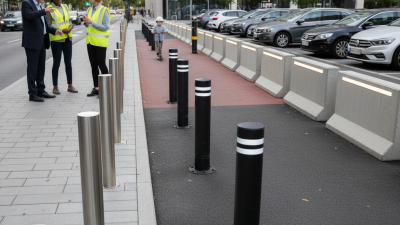
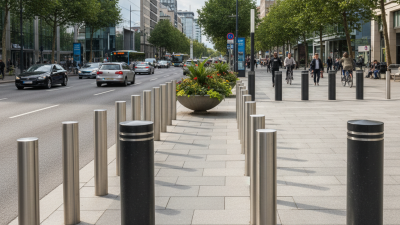
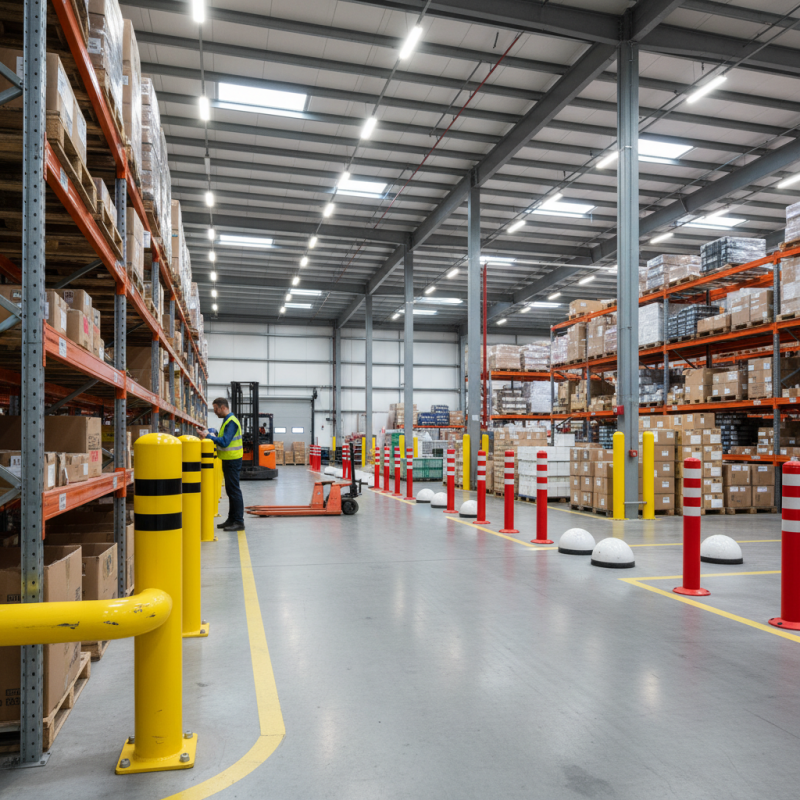
Warehouse bollards play a crucial role in enhancing safety and security. These sturdy metal posts are vital in protecting both people and property from accidental collisions. They act as barriers that help prevent vehicles from entering restricted areas. Additionally, they guide pedestrian traffic safely around hazardous zones. Understanding their purpose is key to effective facility management.
When selecting bollards, consider the specific needs of your facility. Assess the traffic patterns and the types of vehicles that access your area. Opt for visibility; bright-colored or reflective options can help. Choosing the right height is essential; they should be tall enough to deter vehicles effectively but not obstruct visibility.
Tip: Regularly check for any damage or wear on your bollards. A well-maintained facility is a safer one. Moreover, reflect on your current setup. Are the bollards positioned optimally? Could improvements be made to your current layout? This could significantly enhance your overall safety strategy.
How to Choose the Right Warehouse Bollards for Your Facility?
| Bollard Type |
Material |
Height (inches) |
Weight (lbs) |
Impact Resistance |
Installation Type |
| Fixed Bollard |
Steel |
42 |
100 |
High |
Concrete Set |
| Removable Bollard |
Aluminum |
36 |
25 |
Medium |
Socket Installed |
| Collapsible Bollard |
Plastic |
30 |
10 |
Low |
Portable |
| Heavy-Duty Bollard |
Reinforced Steel |
48 |
150 |
Very High |
Welded |
| Traffic Bollard |
Fiber Reinforced Polymer |
36 |
20 |
Medium |
Surface Mounted |
Identifying the Different Types of Bollards Suitable for Warehouse Use
Choosing the right warehouse bollards is vital for safety. Different types of bollards serve various purposes in a facility. Understanding which type suits your environment can navigate potential hazards effectively.
Concrete bollards are robust and often used for high-impact areas. They absorb heavy collisions, making them ideal for loading docks. Steel bollards, on the other hand, offer flexibility. They can be removable and are less demanding in terms of installation. This option provides accessibility when needed but may not withstand heavy impacts like their concrete counterparts.
Plastic or rubber bollards provide aesthetic appeal and visibility. They are lightweight and ideal for marking pedestrian walkways. However, they may require replacement more often. Reflective surfaces on these bollards enhance visibility at night, yet their durability is sometimes questioned. Each type has pros and cons, prompting reflection on the best choice for your specific needs.
Evaluating Key Factors for Selecting the Right Bollard Size and Material
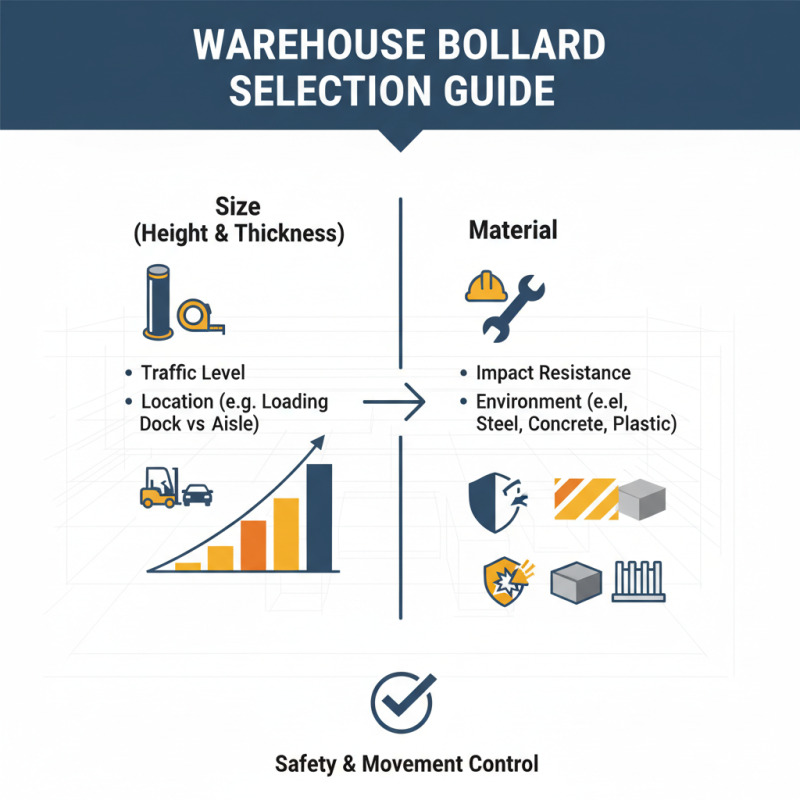
Choosing the right warehouse bollards involves careful evaluation of size and material. The thickness and height of the bollard are crucial. Different facilities have varying traffic levels, which influence these factors. For instance, a loading dock requires taller, sturdier bollards than a less-trafficked area. This ensures safety and control over movement.
Material selection is equally important. Steel bollards offer excellent durability and impact resistance. However, they may rust if not properly treated. Concrete bollards are heavy but can crack over time. Assessing the environment where the bollards will be installed aids in material choice. For wet areas, a corrosion-resistant option might be necessary.
Consider using reflective coatings for visibility. This simple detail can enhance safety, especially at night. While it may seem trivial, it's easy to overlook during planning. Regular maintenance is essential. Without it, even the strongest bollard might not last long. Evaluating these factors helps in making informed decisions for optimal safety and functionality.
Budgeting for Installation and Maintenance of Warehouse Bollards
When considering warehouse bollards, budgeting for installation and maintenance is crucial. The initial cost varies based on materials and heights. For instance, concrete bollards generally offer durability but can be pricier. Steel options can be more cost-effective but may require regular maintenance. Assess the long-term benefits of your investment. Are you prepared to spend more upfront for greater longevity?
Maintenance costs may include repainting and rust prevention. Regular inspections ensure that bollards remain effective in protecting your facility. Budgeting should factor in labor costs, which could rise if maintenance is neglected over time. Creating a maintenance schedule is vital. Reflect on whether your current setup can accommodate these ongoing costs.
Finally, communicate with your team about the importance of maintaining bollards. Educating staff on their roles enhances awareness. It can prevent accidents and preserve the integrity of the facility. Make decisions with both immediate and future needs in mind. Consider unexpected expenses that may arise with installation or damage to existing structures. Proper budgeting creates a safer environment where operations can continue smoothly.
Budgeting for Installation and Maintenance of Warehouse Bollards