What Is the Best Tugboat Fender in 2026?
Choosing the best Tugboat Fender in 2026 is not about selecting the thickest rubber profile. It is about matching protection to real operating conditions. A harbor tug may push against a steel hull several times daily. Its fender faces saltwater, sharp contact angles, heavy shear, and sudden compression. A suitable system must absorb energy without creating excessive reaction force. It should also recover quickly after repeated impacts.
Marine fender engineer John F. Flory expressed the core principle clearly: “A fender is only as good as the energy it can safely absorb, repeatedly.” That advice remains practical in 2026. Buyers should examine rubber quality, compression behavior, abrasion resistance, attachment hardware, and service records. A D-fender may suit a compact workboat. A W-fender can offer better grip along a tug’s bow. Cylindrical or pneumatic options may perform better under unusual berthing conditions.
Details matter. A poorly aligned fender can expose steel plating within weeks. A weak fixing bolt can loosen during vibration. A hard compound may resist wear, yet transfer damaging loads to the quay or vessel. Not every “heavy-duty” product is appropriate.
The honest answer is less convenient. There is no universal winner. The best Tugboat Fender depends on displacement, speed, contact frequency, hull shape, and maintenance discipline. Even experienced operators can underestimate tidal movement and angled impacts. Therefore, this guide compares performance evidence, not marketing claims, to identify reliable choices for modern tug operations.
Tugboat Fender Basics and Their Role in Marine Operations
What Is the Best Tugboat Fender in 2026?
Tugboat Fender Basics and Their Role in Marine Operations
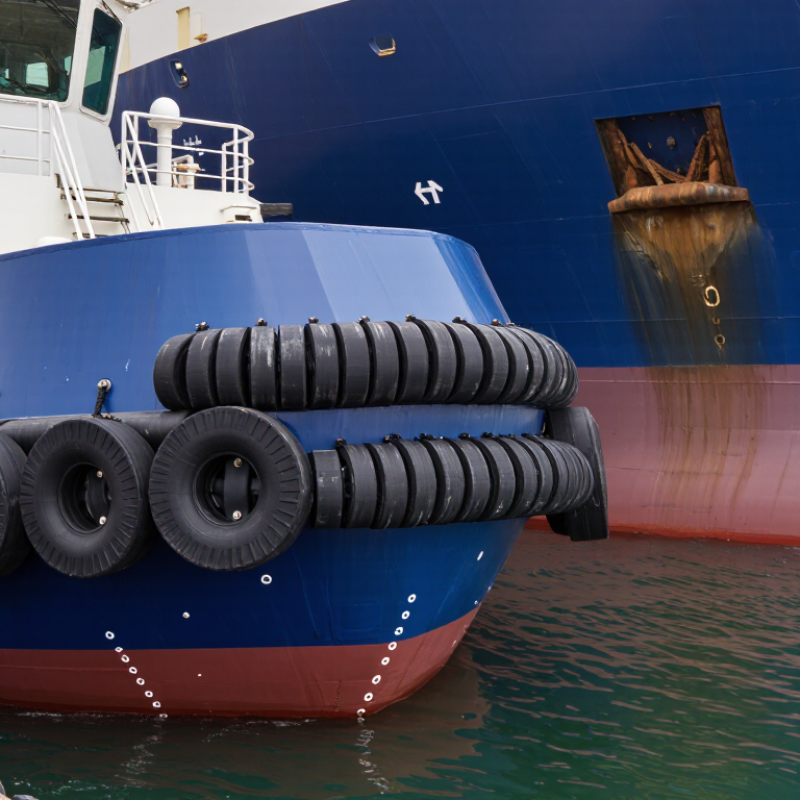
A tugboat fender is a protective barrier between the vessel and another surface. It absorbs impact during berthing, pushing, escorting, and ship-assist work. Common designs include cylindrical, D-shaped, sliding, and pneumatic fenders. Each shape manages contact differently. A cylindrical fender suits heavy side contact, while a D-shaped profile can provide stable protection along the hull. The best choice depends on vessel size, working speed, contact angle, and operating water.
In practical inspections, I look for even wear, secure mounting, and visible cracking. Small cuts can expose deeper damage. That detail is easy to miss. Fender performance also depends on hardness, compression, abrasion resistance, and recovery after impact. A fender that feels strong may still transfer excessive pressure to a ship’s coating. Technical data should be checked against real operating conditions, not viewed alone. Manufacturer testing, maintenance records, and recognized marine guidance improve purchasing confidence.
Maintenance crews should inspect contact surfaces before demanding operations. Salt, oil, grit, and repeated compression can reduce service life. I have seen crews replace a worn section too late, after its shape had already changed. That mistake deserves reflection. A practical 2026 selection should balance energy absorption, installation method, crew access, and replacement time. No design is perfect. The right fender is the one that protects the tug, controls contact, and remains dependable under daily marine pressure.
Key Performance Factors for Choosing a Tugboat Fender in 2026
What Is the Best Tugboat Fender in 2026?
Choosing the best tugboat fender depends on real operating conditions, not popularity. Key performance factors include energy absorption, reaction force, friction, abrasion resistance, and service life. A reliable fender should absorb impact energy without creating excessive pressure on the tug or vessel. This balance protects hull coatings, deck fittings, and docking structures.
Field inspections often reveal details that product sheets miss. Check the fender’s dimensions, compression behavior, attachment points, and recovery after repeated contact. Saltwater, oil exposure, cold temperatures, and heavy towing can change performance. A fender that works well in calm harbor operations may struggle during strong currents. I have seen undersized fenders deform quickly, even when their initial specifications looked acceptable. Testing data matters, but installation quality matters too. That point is sometimes underestimated.
Tips:
Measure actual contact zones. Review impact frequency. Ask for verified test results. Inspect chains, ropes, and fasteners regularly. Watch for deep cuts, permanent flattening, or uneven wear. Keep clear maintenance records. A small inspection can prevent a costly failure. Also, avoid choosing only by price. The cheapest option may require earlier replacement, though this is not always obvious at purchase.
How to Match a Fender Type to Tugboat Working Conditions
What Is the Best Tugboat Fender in 2026?
How to Match a Fender Type to Tugboat Working Conditions
The best tugboat fender depends on contact speed, hull shape, water exposure, and pushing frequency. PIANC’s fender design guidance stresses that berthing energy must be calculated, not guessed. For routine ship-assist work, cylindrical or D-shaped fenders can provide stable side contact. Their rounded profiles reduce snagging during angled approaches. Compact M-shaped sections may suit bow and stern shoulders, where space is limited. Every millimeter matters there.
Working conditions change the choice. Escort tugs may experience repeated lateral loads and sudden line tension. A high-resilience rubber compound can absorb energy while limiting rebound. Harbor tugs often need strong abrasion resistance because they push against rough shell plates and coated surfaces. OCIMF’s Mooring Equipment Guidelines highlights controlled contact forces and regular equipment inspection. That principle applies to tug fenders too. Measure compression, cracking, hardness, and mounting-bolt movement during scheduled checks.
Field teams should also review temperature, oil exposure, saltwater immersion, and tidal clearance. ISO 17357 testing practices provide useful reference points for pneumatic fender performance, including pressure control and energy absorption. However, laboratory figures may not match a crowded quay, a wet deck, or a tired crew. That is the uncomfortable part. A technically impressive fender can still fail when its mounting is weak or its profile does not match the push point. Sea trials, inspection records, and honest operator feedback should shape the final selection.
What Is the Best Tugboat Fender in 2026?
How to Match a Fender Type to Tugboat Working Conditions
The chart shows a relative suitability index from 0 to 100 for common tugboat fender types.
Higher scores indicate a better overall match for the listed working condition, considering
contact frequency, impact energy, abrasion exposure, rolling resistance, and maintenance demands.
Pneumatic fenders are generally preferred for ship-assist and escort work, while cylindrical,
D-shaped, W-shaped, and sliding fenders are commonly selected for push operations and frequent
contact with quay walls or barges.
Tugboat Fender Safety, Maintenance, and Service Life Criteria
The best tugboat fender in 2026 is not defined by price or appearance. It must absorb impact, control reaction force, and remain stable during repeated contact. PIANC’s Guidelines for the Design of Fender Systems states that berthing energy rises with vessel displacement and the square of approach velocity. A small speed increase can create a large load increase. That matters when a tug meets a rough quay.
Safety begins with inspection, not replacement.
Check for deep cuts, exposed reinforcement, permanent deformation, loose chains, and crushed contact zones. Record measurements with photographs after each demanding operation. ISO 17357-1:2014 requires pneumatic rubber fenders to undergo defined performance and material tests, including energy absorption and reaction force checks. For solid or composite systems, operators should request equivalent test evidence. A neat spreadsheet cannot replace a close inspection in cold rain.
Service life depends on load cycles, sunlight, oil exposure, temperature, and installation quality. PIANC guidance also emphasizes checking fender performance against actual berthing conditions, rather than relying only on catalogue values. There is no honest universal replacement date. Annual engineering reviews are sensible, while high-use tug stations may need quarterly visual checks and periodic compression testing. I would not trust a fender solely because it looks intact. Hidden hardening can reduce grip before obvious cracking appears. Maintenance records should include hardness, dimensions, chain condition, test results, and the inspector’s uncertainty.