Leave Your Message

What Are the Best Types of Road Bollards?

Choosing the best type of Road Bollards starts with understanding what the site needs to protect. A busy shop entrance has different demands from a cycle lane, loading bay, or pedestrian plaza. The right choice can guide traffic, protect people, and keep access practical. A poor match can create obstacles or leave important areas exposed.

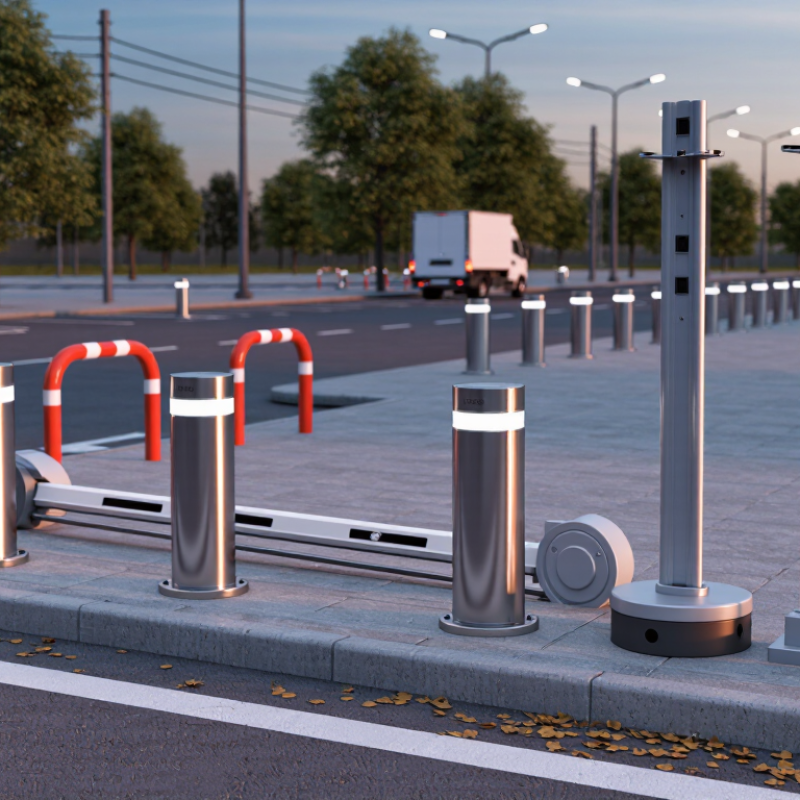
Fixed bollards provide a steady barrier where vehicle access should remain restricted. Removable models suit locations that need occasional service or delivery access. Retractable bollards offer controlled entry, though their mechanisms need regular care. Flexible bollards can bend after light contact and help mark lanes without creating a rigid obstruction. Some sites also need impact-tested products, but performance ratings should be checked against the actual risk and installation conditions. A strong-looking post is not automatically a tested security barrier.

Look closely at the ground, too. A narrow pavement, underground utilities, drainage channels, or frequent snow clearing can affect placement and installation. At dusk, reflective bands and clear spacing may matter as much as the bollard material. These details are easy to overlook on a drawing. They are obvious once a delivery van has to turn.

There is no universal best type. Sometimes a simple fixed post is enough; elsewhere, flexible or retractable options may make daily use easier. The trade-offs deserve attention. This guide compares common bollard types, their strengths, limitations, and the questions worth asking before selection.
What Are the Best Types of Road Bollards?

What Road Bollards Are and How They Work

What Are the Best Types of Road Bollards?
What Road Bollards Are and How They Work

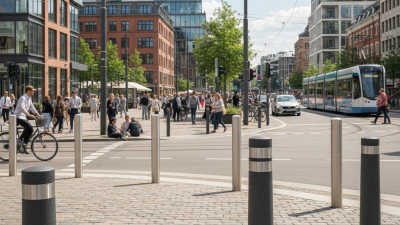
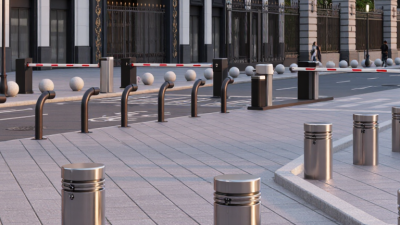
Road bollards are short, sturdy posts placed along streets, sidewalks, parking areas, and building edges. They mark boundaries and help manage vehicle movement without forming a continuous wall. Some are fixed in concrete; others fold, slide, or retract into the ground. Their purpose depends on site conditions.

A bollard works by making a vehicle change direction, stop, or avoid a protected space. Ordinary steel or polymer posts can guide traffic and discourage casual entry, but they are not automatically impact-rated. Security-rated units use tested foundations and structural designs to resist specified vehicle impacts. Installation matters as much as the post: soil, pavement depth, drainage, spacing, and approach speed all affect performance. A strong-looking post can fail if its footing is shallow.

For everyday street design, teams often combine fixed posts near permanent hazards with removable or retractable units where service access is needed. Reflective bands improve visibility at dusk, while spacing should protect pedestrians without blocking wheelchairs or maintenance equipment. Measure the site. Check drainage. In practice, neat diagrams miss awkward details, such as snowplow clearance or a delivery van’s turning path. Those details deserve a second look before installation. Choose bollards from a site assessment, not appearance alone.

Main Types of Road Bollards and Their Features

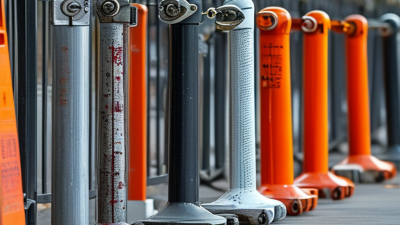
Road bollards differ in how they control access, guide traffic, and withstand impact. Choosing by appearance alone can leave a weak point near a driveway or pedestrian crossing. Fixed bollards create a dependable boundary around sidewalks, building entrances, and loading areas. Steel versions offer strong impact resistance, while concrete models are heavy and highly visible. They stay put. Their permanent placement makes later changes difficult, so measure turning space and delivery routes before installation.

Retractable bollards rise from the ground when a street or entrance needs temporary access. Manual models suit locations with occasional use; powered versions can serve busy sites, but require reliable controls and regular maintenance. Water and grit can collect inside ground sleeves, so drainage and cleaning matter. Removable bollards lift out of a socket when access is needed. They are simpler than powered systems, though staff must store and replace them carefully. Convenient, but not effortless.

Flexible bollards bend when struck and return upright, making them useful for lane guidance and low-speed parking areas. They improve visibility without acting as a vehicle-stopping barrier. Reflective bands help drivers spot them at night, while illuminated models can clarify edges in dim conditions. In practice, layouts are rarely as tidy as drawings suggest. A site assessment should consider vehicle size, pedestrian movement, sightlines, and maintenance access before selecting a type.

How Bollard Materials and Designs Affect Performance

Road bollards perform differently because material, shape, and anchoring work together. Steel offers strength in a relatively slim profile, but exposed finishes may need maintenance where rain, road salt, or grit cause corrosion. Concrete provides mass and resists casual movement, though it can chip and is harder to reposition. Polymer bollards may flex after light contact, reducing damage in some settings, but they are not substitutes for engineered impact protection. There is no perfect material.

Design changes how a bollard works on a street. Fixed posts suit locations needing a permanent boundary, while removable or retractable models can preserve access for service vehicles. Flexible posts can guide traffic without creating a rigid obstacle, but repeated bending and weather exposure affect their lifespan. Spacing matters, too: gaps must control vehicle access without blocking pedestrians or mobility devices. Details matter.

For higher-risk sites, check documented impact performance and installation requirements rather than judging by appearance alone. A strong post with a shallow footing may fail under force. Reflective bands, contrasting colors, and adequate height help drivers notice bollards at night or in rain. Match the design to the site’s traffic, climate, maintenance capacity, and access needs. These choices can conflict; the best compromise is not always obvious.

What Are the Best Types of Road Bollards? How Materials and Designs Affect Performance

Fixed steel and concrete bollards generally offer strong impact resistance, while flexible polymer bollards are designed to bend and recover after lighter impacts. Stainless steel is valued for corrosion resistance. Ratings are qualitative comparisons, not standardized test results; actual performance depends on bollard dimensions, anchoring, installation, and applicable impact standards.

Choosing Bollards for Different Road and Traffic Needs

Road bollards should match the traffic they need to guide or protect against. Fixed bollards can mark pedestrian areas, narrow entrances, or roadside edges where vehicles should not enter. For busy streets, choose models with clear contrast and reflective bands. Drivers need to spot them in rain, dusk, and headlight glare. A tidy row on a plan may still confuse drivers at night.

Flexible bollards suit temporary lane guidance or places where occasional vehicle contact is expected. They bend, then return upright, but they are not a substitute for impact-rated protection. Retractable bollards can control access at service entrances or shared streets. They need space below ground and regular checks to prevent jamming. Consider turning paths, drainage, snow removal, and maintenance access before choosing. Small details matter. Local road standards and a site assessment can help determine spacing and suitable performance levels.

Tips: Walk the route at driver height, then check it from a pedestrian’s view. Measure sightlines and turning space. Don’t assume more bollards always improve safety; clutter can hide signs or make crossings harder to read.

What Are the Best Types of Road Bollards? - Choosing Bollards for Different Road and Traffic Needs
Bollard Type Best Suited For Access Control Visibility Key Selection Considerations
Fixed bollards Protecting sidewalks, building entrances, pedestrian areas, and other locations where vehicle access should remain restricted. Permanent; vehicles cannot pass through the protected area. Can be fitted with reflective bands or contrasting finishes to improve visibility. Check spacing, foundation, pavement conditions, and maintenance access. Specify a tested crash-rated system if vehicle-impact protection is required.
Removable bollards Roads, service routes, or emergency access points that are usually closed to traffic but occasionally need to open. Can be removed by authorized personnel, typically using a locking mechanism. Reflective bands or high-contrast finishes can make them easier to see. Consider storage when removed, lock security, and how often access will be needed. Protection depends on the bollard, its socket, and installation.
Manual retractable bollards Controlled entrances where access changes periodically and staff can raise or lower the bollard manually. Retracts into a ground housing to permit passage; operation is manual. Raised units can use reflective markings or contrasting colors. Account for operating effort, drainage, debris, and routine inspection of the ground housing. Impact performance varies by product and installation.
Automatic rising bollards Managed vehicle entrances, restricted streets, and sites requiring frequent or scheduled access control. Raises and lowers through a powered control system, such as an authorized access control or traffic-management system. Lighting, reflective markings, and clear traffic signals can help drivers recognize the control point. Plan for power, controls, emergency operation, maintenance, and drainage. Choose a crash-tested model if a specified impact rating is needed.
Flexible bollards Lane guidance, traffic islands, cycle lanes, and locations where visual separation is more important than stopping a vehicle. Usually do not provide reliable vehicle access control; many are designed to bend when struck. Often made in bright colors and may include reflective elements. Useful for delineation, but should not be treated as a substitute for a protective barrier where impact resistance is required.
Reflective delineator bollards Making road edges, junctions, curves, medians, or temporary traffic layouts easier for drivers to follow. Guide traffic visually but generally do not prevent vehicles from passing. Reflective panels or bands improve visibility when illuminated by vehicle headlights. Check local traffic-control requirements, placement, and visibility conditions. Use physical barriers separately where vehicle restraint is necessary.
Removable or lockable access bollards Shared streets, maintenance routes, parking areas, and pedestrian zones that need occasional authorized vehicle access. Access is opened with a key or other approved release method. Choose a finish and markings that stand out against the surrounding road surface. Confirm that authorized users can operate the system safely and promptly. Locking features control access but do not by themselves establish crash resistance.
Selection note: Bollard performance depends on the complete system, including its design, foundation, spacing, and installation. For protection against vehicle impact, consult a qualified road-safety professional and verify that the selected system has been tested for the required application.

Factors to Consider When Installing and Maintaining Bollards

Choosing road bollards is only part of the job; placement and upkeep determine whether they work as intended. Fixed steel posts suit permanent protection, while removable or retractable models keep service and emergency access open. Begin with the site: mark vehicle paths, pedestrian entrances, drainage, and underground utilities before setting foundations. A bollard that blocks a doorway or traps rainwater creates a new problem.

Keep an accessible route clear. The 2010 ADA Standards for Accessible Design require a continuous route at least 36 inches wide in most locations. Measure the usable gap after installation, not just the distance between post centers. That gap matters.

NHTSA’s Traffic Safety Facts: 2022 reports 7,522 pedestrian deaths in traffic crashes that year; bollards cannot prevent every crash, but careful site planning can help separate people from vehicles.

Match the post and footing to the expected impact risk, soil, and exposure to road salt. Follow the engineer’s foundation details, and check that posts are plumb before the concrete cures. Maintenance is less dramatic, but essential: inspect anchors, rust, reflective surfaces, and impact damage on a regular schedule. Clear leaves and standing water around bases. Small details count. A loose post may look fine until it is tested, so record repairs and revisit locations after construction or changes in traffic flow.