2026 How to Choose the Right Cell Rubber Fender for Your Marine Needs?
Choosing the right Cell Rubber Fender is crucial for marine applications. According to Dr. Richard Davis, a leading expert in marine engineering, "The proper fender selection can prevent costly damages." This insight highlights the importance of understanding your needs before making a decision.
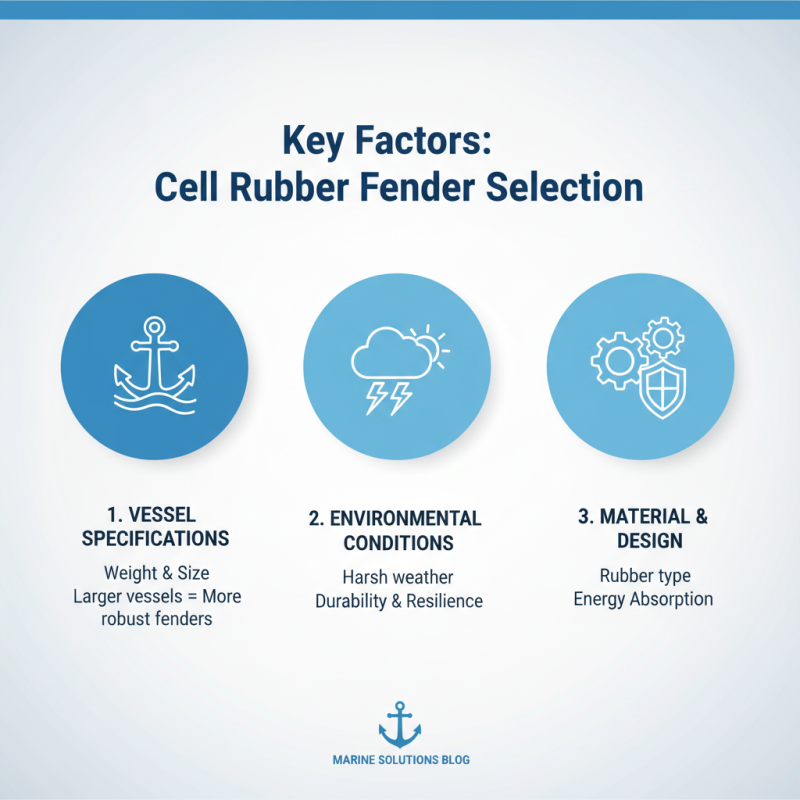
The market has various fenders, each designed for specific conditions. Factors such as vessel size, docking frequency, and impact forces come into play. The right Cell Rubber Fender absorbs shock effectively, protecting both vessels and docking infrastructure. A poorly chosen fender may lead to unexpected repairs and losses. This reality necessitates careful consideration of your choices.
When selecting a Cell Rubber Fender, understanding your environment is vital. Consider the materials used in the fender, as this affects durability and performance. Regular evaluations and consultations with experts will ensure that your fender choice meets evolving marine demands.

Understanding the Purpose and Benefits of Cell Rubber Fenders
Cell rubber fenders play a crucial role in marine applications. They are designed to absorb impact energy during docking and berthing. Their primary purpose is to protect both the vessel and the dock from damage. According to industry reports, using appropriate fenders can reduce impact forces by as much as 50%. This protection is vital in busy ports where collisions could lead to costly repairs.
These fenders offer several benefits. They are lightweight, making them easy to handle and install. Different cell configurations can also accommodate various vessel sizes and types. A study in marine engineering emphasized that fender performance significantly improves with the right specifications. However, many users overlook the importance of selecting fenders based on specific operational requirements. Inadequate assessments can lead to fender failure, resulting in unexpected damages.
Choosing the right cell rubber fender requires careful consideration. Understanding marine conditions and vessel dynamics is essential. Reports indicate that over 30% of incidents are due to improper fender selection. A proper match not only ensures vessel safety but also enhances operational efficiency. Investing time in this selection process can ultimately save costs and prevent potential accidents.
Different Types of Cell Rubber Fenders and Their Applications
When selecting the right cell rubber fender, understanding the different types is essential. Cell rubber fenders are commonly used in marine applications. They provide excellent energy absorption and are ideal for docks, vessels, and ports. Among the types available, cylindrical fenders are versatile, offering uniform performance. This makes them suitable for various marine structures.
Another type is the rectangular fender. These fenders provide a larger contact area, which can distribute impact forces effectively. They are often used in high-traffic docking areas. Additionally, there's the corner fender that protects sharp angles on piers or quays. Each type has its advantages and challenges.
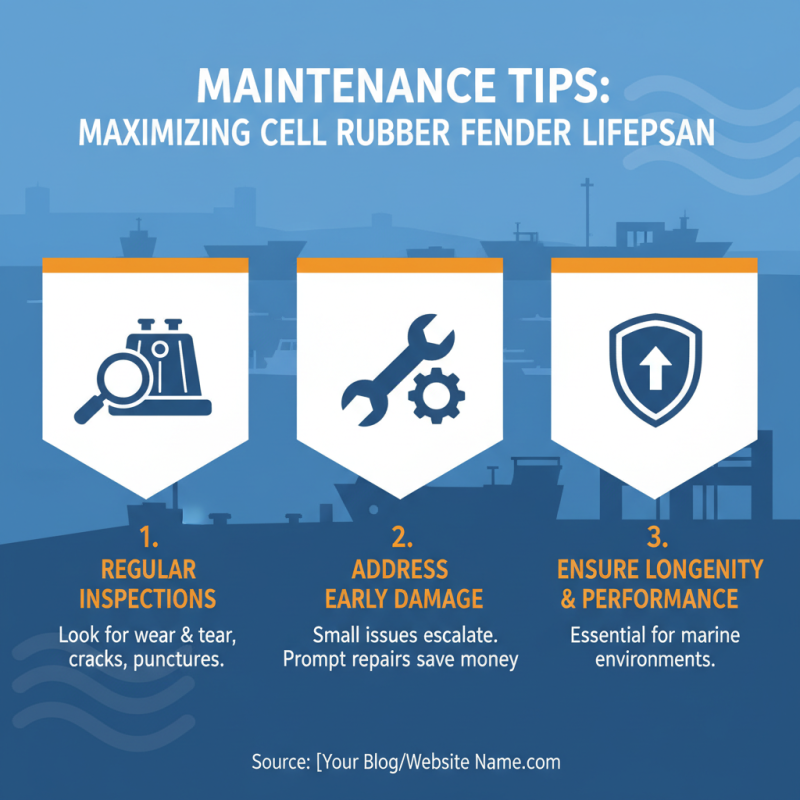
Choosing the right fender can be confusing. Many factors come into play, such as vessel size and environmental conditions. It's crucial to evaluate your specific needs carefully. Often, users overlook the importance of regular maintenance. Neglecting this can lead to premature wear and affect performance. Consider all details to make an informed decision.
Sizing and Installation Guidelines for Cell Rubber Fenders
Choosing the right cell rubber fender involves understanding your specific marine needs. Sizing is crucial for optimal performance. Measure the docking area and consider the potential forces from vessels. Each fender should match the weight and size of the boats it will accommodate. An undersized fender can lead to damage or insufficient protection, while an oversized one may obstruct the docking space.
Installation guidelines play a significant role. Proper orientation and mounting are essential for fender effectiveness. Position the fender at the correct height to ensure it cushions impact efficiently. Check the mounting points regularly for any signs of wear. It is common to overlook these aspects. Regular maintenance enhances the longevity of the fender. A small adjustment can lead to better performance and safety.
It's also important to evaluate environmental factors. Water conditions, such as waves and currents, can affect fender performance. This variability might lead to miscalculations. Always review your choices based on changing marine environments. Regularly assessing your fender system can prevent costly damages in the long run. Being proactive and detail-oriented ensures reliable marine operations.
2026 Cell Rubber Fender Sizing and Installation Guidelines
This chart illustrates the recommended vessel sizes that correlate with different cell rubber fender sizes. Choosing the right fender is essential for effective marine safety and operation.