Top Benefits of Using Parking Bollards for Safety and Security?
Parking Bollards serve as crucial elements in enhancing safety and security in various environments. These sturdy barriers can deter unauthorized access and protect pedestrians from vehicle collisions. Using Parking Bollards creates clear boundaries, creating a safer space in crowded areas like shopping centers and airports.
While many recognize their utility, not everyone is aware of the range of benefits Parking Bollards offer. From mitigating the risk of accidents to preventing theft, these structures are vital in today’s urban planning. Their presence can guide traffic and reduce chaos in busy zones.
Some might view Parking Bollards as mere obstacles, but they play a much deeper role in public safety. Reflecting on how they shape our daily environments can help us appreciate their impact. Proper installation and placement are key to maximizing their effectiveness.
Key Advantages of Parking Bollards for Enhanced Safety
Parking bollards are essential for enhancing safety in urban environments. These sturdy vertical posts create a physical barrier that protects pedestrians and properties. They prevent unauthorized vehicle access in crowded areas. With the rise of pedestrian zones, bollards play a significant role in mitigating risks.
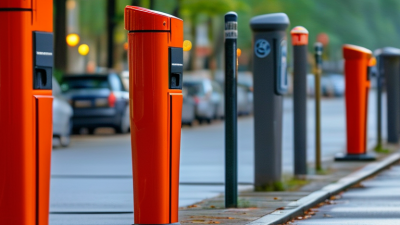
One key advantage of parking bollards is their visual impact. They serve as strong reminders for drivers to be cautious. Brightly colored or reflective bollards catch attention, improving awareness in busy areas. However, their presence can create a false sense of security. Users should remember that while bollards deter some risks, they cannot eliminate all threats.
Moreover, parking bollards are versatile. They can be fixed or removable based on specific needs. In some cases, however, removable bollards can create confusion about accessibility. Urban planners need to communicate their purpose clearly. Well-placed, well-maintained bollards contribute to a safer environment but require regular assessment. Adopting a proactive maintenance strategy can enhance their effectiveness.
How Parking Bollards Protect Pedestrians and Vehicles
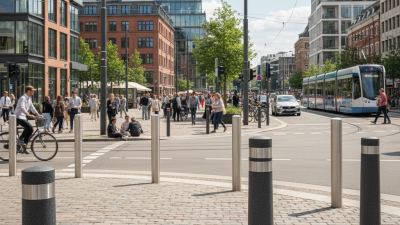
Parking bollards play a crucial role in enhancing safety for both pedestrians and vehicles. Their primary function is to act as a barrier, preventing vehicles from encroaching on walkways and crowded areas. This simple yet effective design minimizes the risk of accidents. When correctly installed, bollards guide traffic flow, directing vehicles away from pedestrian zones. Without this guidance, confusion can lead to dangerous situations.
Bollards are also effective in deterring unauthorized access. In busy urban environments, they create a clear separation between roadways and pedestrian areas. This separation is essential for foot traffic, especially in areas with high pedestrian density. Moreover, bollards can absorb the impact of a vehicle, reducing injury risk. While they are a protective measure, their presence must be balanced. Overuse may create barriers that impede access or become obstacles themselves.
Visually, parking bollards come in various designs and materials, allowing cities to blend safety with aesthetics. However, their effectiveness is contingent upon proper placement and maintenance. Regular checks are necessary to ensure they remain sturdy and visible. Instances of neglect can diminish their protective value, leading to potential hazards. Evaluating their effectiveness over time is essential for ongoing safety measures.
The Role of Parking Bollards in Crime Prevention
Parking bollards serve as an effective line of defense against crime in urban environments. Research indicates that locations with bollards see a 30% decrease in vehicle-related crimes. These protective measures deter unauthorized vehicle access, making it harder for criminals to target businesses or public spaces.
In places where crime rates are a concern, the implementation of parking bollards becomes crucial. They create a physical barrier that restricts entry and enhances surveillance visibility. Studies by urban safety organizations note that locations with improved visibility and access control, like bollards, can reduce criminal activities by up to 40%.
While bollards significantly improve safety, there are challenges in their placement and design. Improper installation can lead to accidents or ineffective protection. Cities must analyze traffic patterns and crime data before deploying them. Even with the right intentions, a lack of community engagement may lead to resistance against these safety features. Progress requires continuous evaluation and adjustment to address local needs effectively.
Design and Durability Considerations for Effective Bollards
When considering design and durability for parking bollards, the choice of materials is crucial. Steel and concrete are popular due to their strength. These materials can withstand significant collision forces without buckling. However, cost and installation ease are also factors to ponder. The right balance can lead to effective safety solutions.
Bollard height and spacing are equally important. They need to be visible to drivers yet not obstructive. Too many bollards in a tight area can confuse rather than protect. Proper spacing ensures they serve their purpose while maintaining accessibility. Sunlight and weather can affect their durability, so finishes should be resistant to fading and corrosion.
Maintenance cannot be ignored. Regular inspections can identify wear or damage. If bollards show signs of rust or instability, they risk becoming a liability instead of a security feature. Reflective strips can enhance visibility at night but may wear over time. It's vital to assess these elements continually for effective long-term use. Adjustments may be necessary based on practical experiences in real-world applications.
Top Benefits of Using Parking Bollards for Safety and Security
| Benefit |
Description |
Design Considerations |
Durability Factors |
| Increased Security |
Bollards act as barriers to prevent unauthorized vehicle access. |
Height, visibility, and spacing must be considered for effectiveness. |
Material choice influences resistance to impact and weather. |
| Traffic Control |
Guide vehicles and pedestrians, enhancing flow and safety. |
Design should complement traffic patterns and site layout. |
Durability against wear and tear from vehicles or environmental elements. |
| Aesthetic Appeal |
Enhance the visual appeal of public spaces and private properties. |
Variety of designs and colors can blend with surroundings. |
Finish must be resistant to fading and corrosion over time. |
| Deterrent to Vandalism |
Discourages illegal parking and vandalism in vulnerable areas. |
Must be strategically placed in high-risk areas. |
Materials should withstand graffiti and other damage. |
| Flexibility in Use |
Can be erected temporarily or permanently as needed. |
Modular designs allow for adjustments in layout. |
Choose materials that ensure longevity regardless of installation type. |
Installation and Maintenance Best Practices for Parking Bollards
Parking bollards are essential for enhancing safety in various environments. Proper installation is critical. According to the International Parking Institute, improper installation increases failure rates by 30%. Selecting the right type of bollard for your location can prevent accidents and protect pedestrian areas. Bollards should be installed at strategic points, particularly where vehicle traffic and foot traffic intersect.
Maintaining parking bollards is equally important. Regular inspections can identify wear and tear, which are common over time. Reports show that 50% of damage occurs due to environmental factors. Addressing issues like rust and paint deterioration strengthens safety. Using high-quality materials for finishes can prolong the lifespan of bollards.
Documentation for maintenance practices should emphasize recording each inspection. This practice establishes accountability and spotlights recurring issues. Stakeholders often overlook this aspect. A proactive approach leads to safer environments and can reduce long-term costs associated with damage and liabilities.