How to Use Pole Bollards for Effective Outdoor Safety and Security?
When it comes to outdoor safety and security, the importance of properly implemented solutions cannot be overlooked. Pole Bollards serve as a vital element in securing public spaces and preventing vehicle-related accidents. According to John Fletcher, a renowned expert in urban safety, "Effective use of Pole Bollards can drastically reduce risks in busy environments." His insights highlight how these structures can create safer areas for pedestrians and cyclists alike.
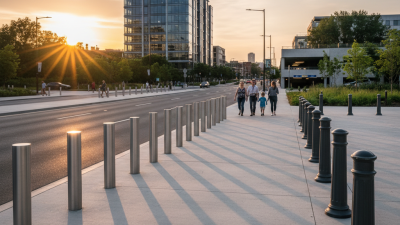
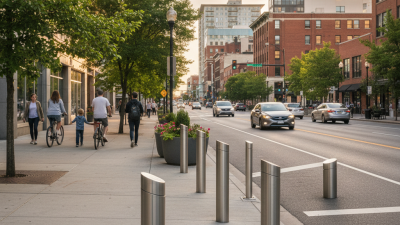
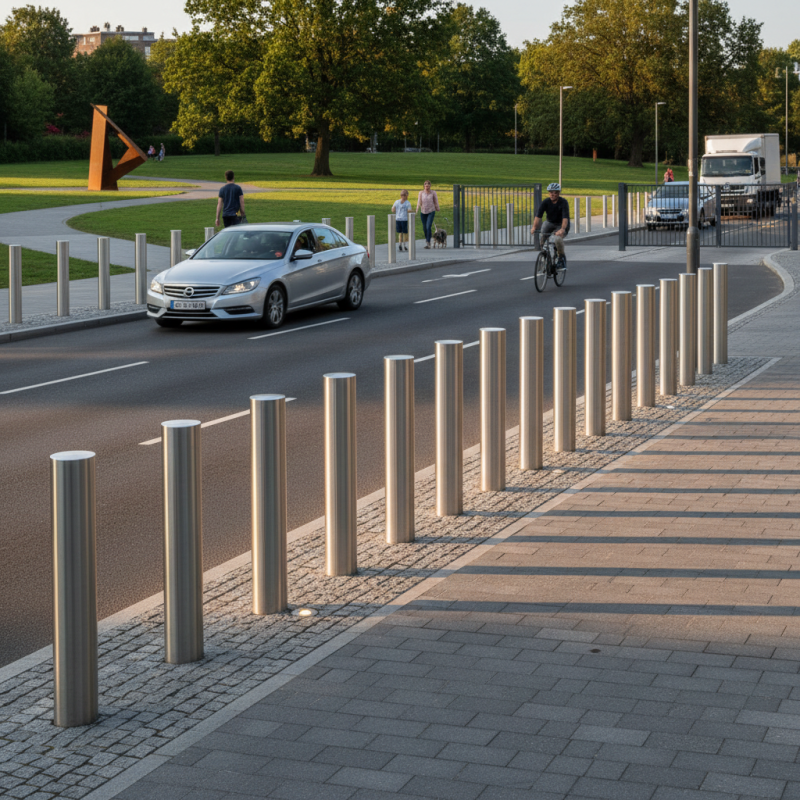
By strategically placing Pole Bollards, cities can deter unauthorized access and define safe walking zones. These durable barriers are designed to withstand impacts while maintaining a clear line of sight for drivers and pedestrians. However, their installation isn't without challenges. Finding the right balance between aesthetics and functionality requires careful planning and expert guidance.
Pole Bollards come in various designs and materials, offering flexibility for different settings. It's crucial to consider local traffic patterns and community needs during implementation. While they enhance safety, maintaining public acceptance of such features can pose hurdles. Stakeholders should engage with locals early in the planning phase to ensure these installations meet community expectations.
Understanding the Purpose of Pole Bollards in Outdoor Safety
Pole bollards serve a vital role in outdoor safety and security. These robust structures act as physical barriers, guiding traffic and protecting pedestrians.
According to the International Parking and Mobility Institute, well-placed bollards can reduce vehicle collision rates by over 40%. This statistic underscores the importance of strategic installation in areas with high foot traffic.
Understanding their purpose goes beyond just aesthetics. Bollards deter unauthorized vehicle access, thereby minimizing potential damage to property and individuals. Reports from the National Institute of Justice suggest that installing protective measures like bollards can lower crime rates by nearly 20% in urban environments. This correlation highlights the effectiveness of bollards in enhancing security.
However, not all installations are perfect. Some communities may face challenges in visibility or placement, leading to ineffective traffic control. Integrating bollards with landscaping can obscure their presence and reduce their impact. Thoughtful consideration of urban planning can enhance their utility and effectiveness in real-world applications.
Types of Pole Bollards and Their Specific Uses
Pole bollards serve various purposes in outdoor safety and security. These sturdy posts can be used to deter vehicles from entering certain areas, protecting pedestrians and property. Their designs vary, catering to different needs and environments. For instance, removable bollards offer flexibility, allowing access for maintenance or emergency vehicles while maintaining security when needed.
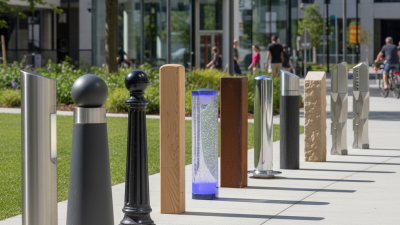
Concrete bollards are often installed in high-traffic areas. They withstand significant force and serve as effective barriers against reckless driving. On the other hand, decorative bollards enhance the aesthetic appeal in parks or shopping districts. Lighted bollards also improve visibility at night, increasing security and safety for nighttime activities.
However, the installation of pole bollards should be carefully planned. Considerations include placement and spacing to ensure they effectively serve their purpose. Overcrowding bollards can create obstacles, making navigation difficult. Regular maintenance is crucial to ensure long-term functionality. Finding the right balance between safety, accessibility, and aesthetics requires careful thought.
How to Properly Install Pole Bollards for Maximum Security
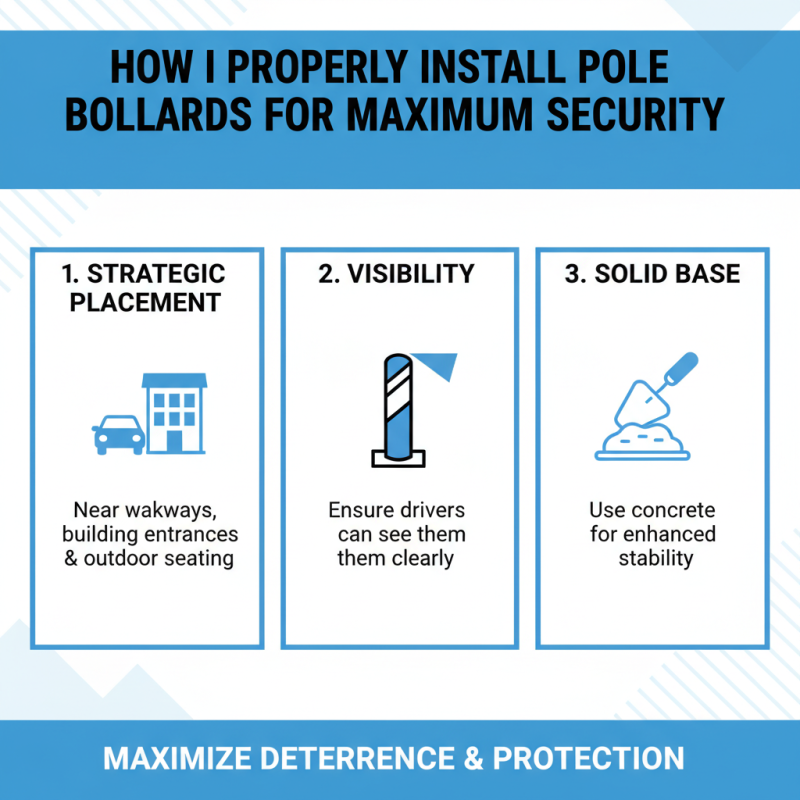
When installing pole bollards, attention to detail is vital. Proper placement ensures they effectively deter unauthorized access. Select locations where vehicles pose risks. Install them near walkways, building entrances, or outdoor seating areas. Each bollard should stand firm and visible to drivers. Using concrete for a solid base can enhance stability.
The height of the bollards also matters. Typical heights range from 3 to 4 feet. This height keeps vehicles at bay while remaining unobtrusive to pedestrians. Regular checks on the bollards are crucial. Look for signs of wear or damage. Even small rust spots can indicate larger issues.
Choosing the right material is equally important. Metal bollards offer durability, but plastic can be lighter and more flexible. Relying on the right professionals for installation can bolster the outcome. Trust expertise for alignment and structural integrity during the process. Mistakes in installation can lead to failure in protection, prompting costly repairs. It’s wise to review past installations for insights on improvements.
Maintenance and Care Tips for Long-Lasting Pole Bollards
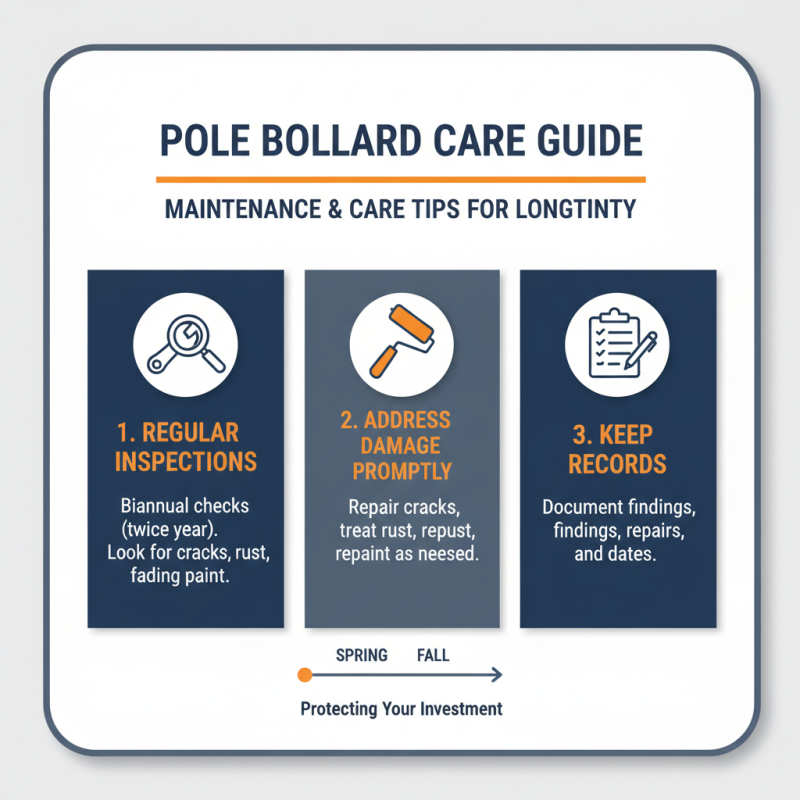
Maintaining pole bollards is essential for their longevity and effectiveness. Regular inspections help identify any wear or damage. Look for cracks, rust, or fading paint. These signs indicate that a bollard may need repairs. Conducting these checks biannually is a good practice. Keep a record of your findings and actions taken.
Cleaning is also necessary. Use a gentle soap solution and a soft brush to remove dirt and grime. Avoid harsh chemicals that can harm the surface. Rinse thoroughly to prevent residue buildup. This simple step can significantly enhance their appearance and lifespan. If you notice persistent issues, consider consulting with professionals who can provide expert advice on repairs or replacement.
In addition, be mindful of their surroundings. Landscaping or debris can obstruct the visibility and performance of bollards. Regularly trim grass and remove obstructions. This attention to detail promotes effective outdoor safety. Investing time in maintenance will ensure that pole bollards remain functional and visually appealing, safeguarding your space for years to come.
Regulatory Considerations for Using Pole Bollards in Public Spaces
When considering the implementation of pole bollards, regulatory compliance is crucial. Local regulations may dictate specific requirements for design, placement, and materials. These guidelines help ensure safety for pedestrians and vehicles in public spaces. Bollards must meet height and strength standards to resist impacts while blending into their surroundings effectively.
Each area may have unique regulations. For example, urban zones often have stricter guidelines than rural areas. Municipalities might require bollards to be spaced a certain distance apart. This helps maintain a clear line of sight for drivers and pedestrians. Failure to adhere to these regulations can lead to legal issues and liabilities.
Reflecting on past projects can provide insight into how regulations shape bollard use. Some designs might have looked appealing but failed to meet safety standards. Ultimately, understanding and implementing regulatory considerations will enhance the functionality and effectiveness of pole bollards. Use them wisely to create safer public environments.