10 Tips for Choosing Security Bollards
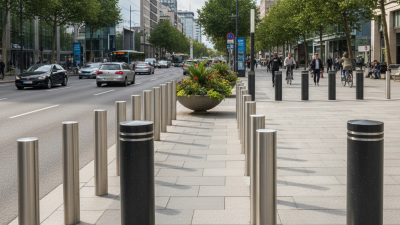
Choosing Security Bollards is not just a matter of selecting steel posts. The right system must match the site’s vehicle risks, pedestrian routes, access needs, and maintenance capacity. A row that looks reassuring may still leave a wide opening beside a loading bay.
Technical guidance can help separate appearance from tested performance. ASTM International’s F2656/F2656M standard evaluates vehicle-barrier performance through controlled crash tests, including vehicle type, impact speed, and penetration distance. The U.S. Department of Homeland Security’s FEMA 430, Site and Urban Design for Security, also discusses integrating protective measures into the wider site plan. These references do not replace a site-specific assessment. They provide a more dependable starting point than choosing by appearance alone.
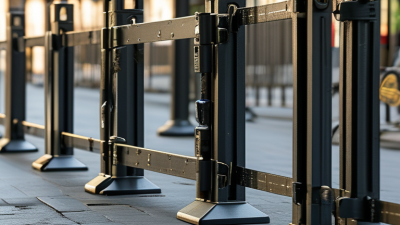
For a practical selection, consider impact ratings, spacing, foundation conditions, accessible routes, and the movement of emergency and service vehicles. Removable or retractable models may support deliveries, but they need a clear operating procedure and regular inspection. Fixed bollards can offer continuous protection, yet poor placement may obstruct visibility or create new hazards. Small details matter. A bollard’s performance depends on the entire installation, not just its label. The guidance may feel technical, and that is useful—but specifications cannot predict every real-world condition. These 10 tips explain what to check, which questions to ask suppliers, and where a qualified security professional can help.

Define the Vehicle Threat Using ASTM F2656 Impact Ratings
ASTM F2656/F2656M-23 gives security teams a common way to compare vehicle-barrier crash tests. Its ratings identify the test vehicle, impact speed, and penetration result. For example, an M30 test uses a 15,000-pound medium-duty truck traveling at 30 mph. That is a defined test condition, not a prediction of every real-world collision. Numbers matter. A site facing delivery trucks may need a different rating from a pedestrian plaza exposed to passenger vehicles.
Tip: Start with the credible vehicle threat, not the bollard’s appearance. Review vehicle access routes, approach distance, turning space, and nearby crowds. Then specify both the impact rating and acceptable penetration level, such as M30/P1. The ASTM test method reports penetration outcomes; confirm the tested configuration matches the proposed spacing, foundation, and installation details.
CISA’s vehicle-ramming security guidance also recommends assessing site layout and vehicle access when planning protective measures. Still, a rating alone cannot account for every approach angle, pavement condition, or installation error. A stronger test rating may also create practical trade-offs, including restricted service access. Be precise, but stay curious: compare the test report with the actual site, and ask what remains untested.
ASTM F2656 Vehicle Impact Ratings: M30, M40 and M50
These example M-ratings correspond to impact tests using a nominal 15,000 lb vehicle at 30, 40 and 50 mph. The bars show approximate kinetic energy calculated from vehicle mass and test speed—not a bollard’s performance rating. ASTM F2656 classifications also include penetration results, so compare the complete rating and test details when selecting a barrier.
Set Bollard Spacing While Preserving the ADA’s 36-Inch Clear Route
When setting bollard spacing, measure the clear route between the closest projecting surfaces, not post centers. That distinction matters. Two posts can look widely spaced yet leave too little room once sleeves, bases, or rails are installed. Preserve the ADA’s 36-inch minimum clear width along the accessible route, and confirm applicable local requirements before installation. Measure at the narrowest point. Include curb edges, wall-mounted fixtures, and door swings in the check. A tape measure catches problems that a plan view can miss.
During site review, mark proposed bollard locations with tape, then walk the route using a wheelchair or mobility aid when practical. Watch for turning areas, slopes, and queues near entrances; a technically clear strip can still feel awkward. Leave room for people to pass without stepping into traffic. Small details matter. Record the final clear dimensions after installation, not just on the drawing. Construction tolerances and later repairs can shift a post. Recheck after changes. Spacing is a compromise, and an initial layout may need adjustment after observing real foot traffic. Have a qualified access professional review uncertain conditions.
Match Bollard Design to IWA 14-1 Vehicle Class and Test Speed
10 Tips for Choosing Security Bollards
Match Bollard Design to IWA 14-1 Vehicle Class and Test Speed
Choosing a security bollard starts with the vehicle threat, not its appearance. IWA 14-1 classifications identify factors such as vehicle mass, impact speed, and test conditions. A lightweight car at 30 km/h creates a different risk from a heavy truck at 50 km/h. The distinction matters.
Check the exact vehicle class and test speed in the test report. Do not rely on a general statement such as “crash rated.” A bollard tested against a smaller vehicle may not resist a heavier one. Likewise, a unit tested at 30 km/h should not be treated as suitable for 50 km/h impacts. Look for penetration distance, impact angle, number of impacts, and installation details. Small differences can change the result.
Installation is part of the protection system. Review foundation depth, concrete strength, spacing, drainage, and nearby paving. A strong bollard can perform poorly when installed in weak ground. It happens more often than expected. I have also seen plans select a class by guesswork, then discover that the site requires a higher test speed. That mistake can be expensive. Ask a qualified security engineer to compare the IWA 14-1 evidence with the real site risk, vehicle access route, and available foundation. Keep the test report with the project records. It supports a more reliable decision.
Compare Lifecycle Costs, Maintenance Needs, and Operational Access
10 Tips for Choosing Security Bollards
Compare Lifecycle Costs, Maintenance Needs, and Operational Access
A bollard’s purchase price rarely reflects its full cost. Installation may require concrete foundations, drainage, wiring, traffic control, and surface repairs. Over several years, inspections, cleaning, repainting, power use, and replacement parts can exceed the original invoice. Request a lifecycle estimate from the installer. Include labor and downtime.
Maintenance details deserve close attention. Ask how often moving parts need inspection and whether technicians can reach them without closing the entrance. Hinges, locks, hydraulic systems, and warning lights should have documented service procedures. Fixed bollards usually need less care, but damaged units may require excavation. That disruption matters. A site review should record vehicle impact risks, weather exposure, drainage, and winter treatment.
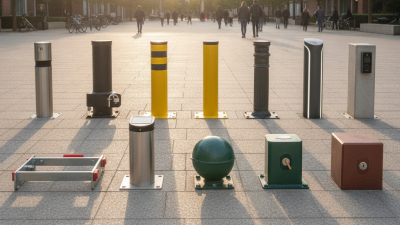
Access must fit daily operations, not only security plans. Map delivery hours, emergency routes, pedestrian crossings, waste collection, and accessible entrances before choosing a design. Removable units can support occasional access, while retractable systems may suit busy entrances. Automatic equipment offers convenience, but sensors and controls need testing. A manual backup is sensible.
Do not assume the cheapest option is efficient. It may create delays, awkward turning movements, or repeated callouts. I have seen access plans fail because maintenance vehicles were overlooked. That mistake is easy to make. Have a qualified security or civil engineering professional verify impact performance, installation requirements, and local accessibility obligations before purchase.