2026 How to Choose the Right Warehouse Bollards for Your Facility?
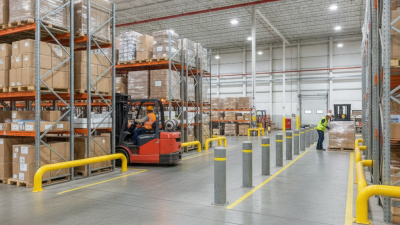
In the fast-evolving world of warehouse safety, choosing the right Warehouse Bollards is essential. Industry expert John Avery, a safety consultant with over 15 years of experience, states, “The right bollards not only protect assets but also enhance workflow.” Selecting appropriate bollards involves understanding their purpose and the specific needs of your facility.
Warehouse Bollards come in various shapes and sizes. They can be used to direct traffic, protect equipment, or keep pedestrians safe. It's crucial to assess your environment carefully before making a choice. Are your storage zones dynamic with heavy machinery? Do you expect high pedestrian traffic? Evaluating these factors can lead to better decisions.
Miscommunication around safety needs often leads to inadequate solutions. Some facilities overlook key details, leading to costly mistakes. While the right bollards provide protection, improper selection can create hazards. Every facility is unique, and a one-size-fits-all approach is rarely effective. Ensuring the right fit for your facility can be the difference between safety and risk.
Understanding Warehouse Bollards: Definitions and Types
When it comes to warehouse safety, bollards play a crucial role. These robust barriers protect entrances, loading docks, and machinery from impact and damage.
Understanding the various types of warehouse bollards is essential for enhancing safety and efficiency in your facility.
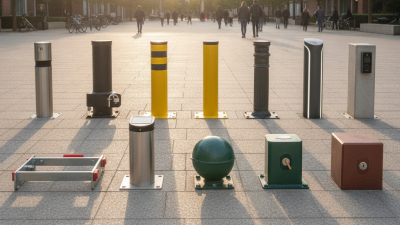
There are different materials used for bollards. Steel bollards offer strength and durability. Concrete options provide rigid protection. Flexible bollards can absorb impacts without causing damage. Each type serves specific needs based on warehouse operations.
Tips: Assess your area's traffic flow. High-traffic zones require sturdier options. Consider visibility as well. Brightly colored bollards are easier to spot. Finally, think about installation. Ensure your chosen bollards are anchored securely for maximum effectiveness. These factors can significantly influence safety outcomes in your warehouse.
Key Considerations in Selecting Bollards for Warehouse Safety
When selecting bollards for warehouse safety, several key factors come into play. First, assess the level of protection needed for your facility. The primary purpose of bollards is to prevent vehicle accidents and protect pedestrians. In high-traffic areas, consider heavy-duty options that can withstand significant impact. For lower-risk spots, lighter bollards may suffice.
Material is another crucial consideration. Steel and concrete bollards offer higher durability and resistance to physical damage. On the other hand, plastic or rubber versions can provide adequate protection while being easier to install and relocate.
Think about your facility's layout, too. Strategic placement can prevent costly accidents and ensure smooth traffic flow.
Don't overlook visibility and identification. Bright colors and reflective surfaces enhance safety. Employees and drivers need to see these barriers clearly, especially in low-light conditions. Reflect on your specific environment and adjust your bollard choices accordingly. Evaluate your safety needs regularly and be ready to adapt as those needs change.
Industry Standards and Regulations Affecting Bollard Selection
When selecting warehouse bollards, understanding industry standards and regulations is crucial. Bollards must meet safety guidelines established by organizations like the Occupational Safety and Health Administration (OSHA). These standards focus on preventing vehicle collisions and providing clear pathways for pedestrian traffic. The latest OSHA regulations indicate that falling injuries lead to 70% of warehouse accidents. This statistic underscores the need for effective safety barriers.
In addition to OSHA, local building codes affect bollard selection. Many municipalities require bollards to withstand specific impact forces. For example, per the American National Standards Institute (ANSI), bollards should resist impacts from vehicles weighing up to 4,000 pounds. This requirement ensures that facilities maintain a safe environment for employees and visitors alike.
Material choice is also guided by these regulations. Steel and concrete are common options, but they have different absorption capacities. Steel bollards may prevent damage from high-velocity impacts, while concrete may absorb shock better. An understanding of these differences is vital. Selecting the right material can often be a trial-and-error process. It requires ongoing assessment of both current and potential safety risks within the facility.
Bollard Material Comparisons: Steel, Plastic, and Concrete Options
When selecting warehouse bollards, material choice is crucial.
Steel, plastic, and concrete each have distinct advantages and drawbacks.
Steel is robust and provides excellent protection against vehicle impacts.
It is, however, more expensive. Its weight can also complicate installation,
so careful planning is essential.
Plastic offers a lightweight alternative.
It is resistant to rust and corrosion, making it suitable for various environments.
However, plastic may not withstand high-impact collisions as effectively as steel.
Facilities in high-traffic areas might find these less reliable over time.
Concrete, on the other hand, is immensely durable.
It can withstand harsh weather and heavy loads.
Yet, its fixed nature can pose challenges in dynamic layouts.
Considering the specific needs of your facility is vital.
Reflect on the potential for wear and tear, as well as maintenance needs.
Each material has its trade-offs. It's crucial to analyze your environment fully before making a decision.
This thoughtful approach can help you choose the right bollards that balance security and functionality.
Cost Analysis: Budgeting for Bollard Installation and Maintenance
When budgeting for warehouse bollards, understanding your costs is crucial. Installation can vary significantly due to complexity and site conditions. Basic models may cost less, but high-quality materials might be necessary for durability. Consider both the initial investment and ongoing maintenance expenses.
It’s vital to account for regular inspections and repairs. A neglected bollard can lead to safety risks or damage. Maintenance often accumulates, affecting your budget. Have you factored in these potential hidden costs? Balancing cost and quality is key. Cheap options may save money initially but can be more costly long-term if they fail.
Evaluating the total lifecycle cost of bollards provides a clearer financial picture. This includes not just installation but also serviceability. Reflect on your facility's needs and risks. Every choice impacts overall safety and efficiency. Therefore, aim for a cost-effective solution that doesn't compromise reliability. Ultimately, investing wisely in bollards can enhance both safety and operational effectiveness.