Why Choose Cell Rubber Fender for Your Marine Needs?
When considering marine needs, the importance of choosing the right fender cannot be overstated. Cell Rubber Fenders are widely recognized for their strength and durability. John Smith, an expert in marine engineering, states, “The right fender can prevent significant damage during port operations.” This insight underscores the crucial role that Cell Rubber Fenders play in protecting both vessels and docks.
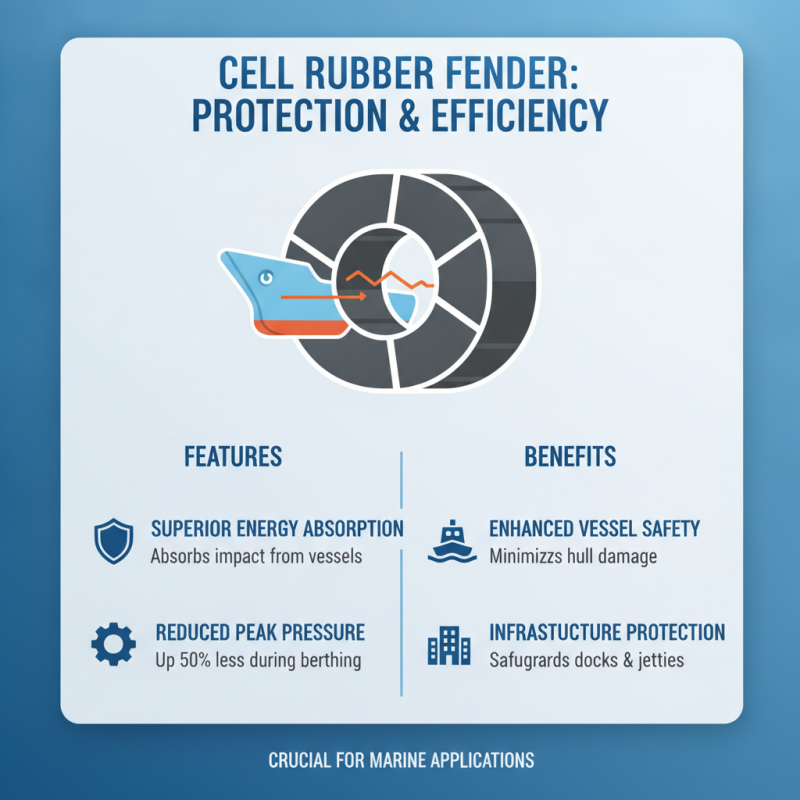
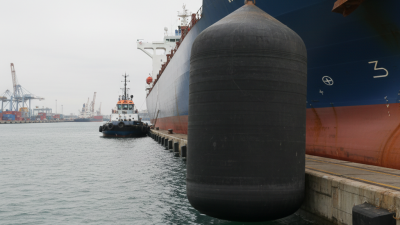
These fenders are designed to absorb and disperse energy efficiently. Their unique cellular structure ensures minimal rebound and maximum energy absorption, making them ideal for various marine applications. The versatility of Cell Rubber Fenders makes them suitable for both commercial and recreational boats alike. However, choosing the wrong model can lead to costly repairs or accidents.
In a world where marine safety is paramount, it’s vital to thoughtfully consider your fender options. While Cell Rubber Fenders are a solid choice, not all applications require them. Carefully evaluating your specific needs can mean the difference between safety and disaster. After all, not every fender fits every situation, and this is where reflection on your actual marine requirements becomes key.
Overview of Cell Rubber Fender: Features and Benefits
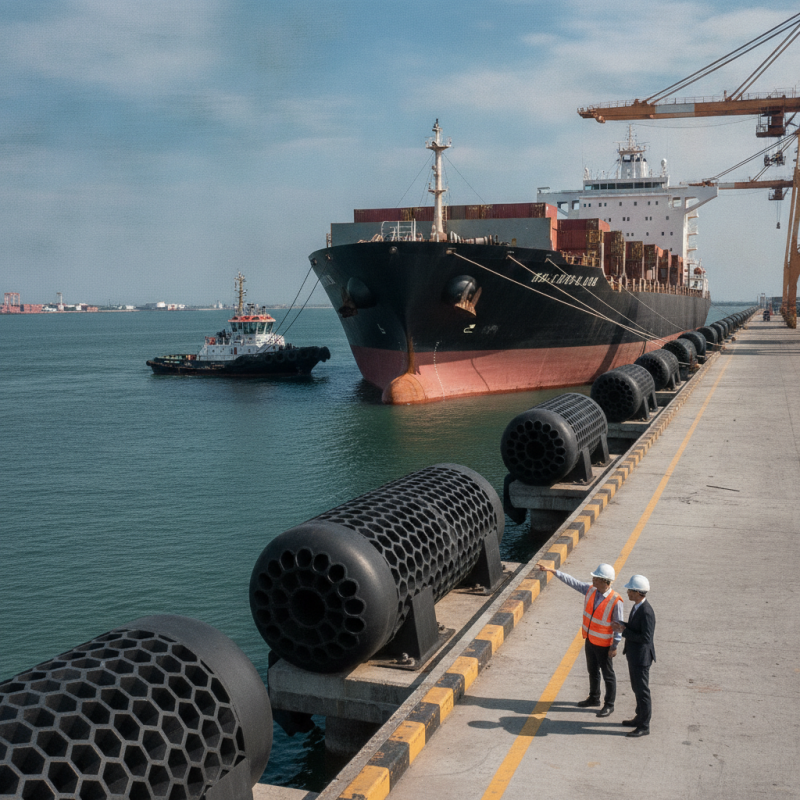
Cell rubber fenders are crucial for marine applications. They offer various features that enhance safety and efficiency in port operations. These fenders are designed to absorb the energy from impacts effectively. According to industry reports, they can reduce the peak pressures during vessel berthing by up to 50%. This remarkable capacity helps protect both vessels and infrastructure.
The versatility of cell rubber fenders is another key advantage. They can be used in various marine environments, from small docks to large shipyards. Their lightweight design and easy installation process contribute to operational efficiency. Notably, maintenance costs are lower compared to steel fenders. However, the materials may degrade over time due to environmental exposure. Regular inspections are essential to ensure their effectiveness.
Moreover, the resilience of cell rubber fenders makes them a preferred choice. Reports indicate they maintain performance even under harsh conditions. They can withstand UV radiation and sea water, which prolongs their service life. Yet, potential users should consider their specific needs. Understanding individual vessel types and operational conditions is critical for optimal performance.
Advantages of Using Cell Rubber Fenders in Marine Operations
Cell rubber fenders are vital for marine operations, offering several advantages. They are designed to absorb impact, protecting both vessels and docks. According to a report from the International Maritime Organization, proper fendering systems can reduce hull damage by up to 75%. This data highlights the importance of choosing the right fender type for operational safety and efficiency.
One significant benefit of cell rubber fenders is their buoyancy. Unlike solid fenders, they provide better energy absorption while remaining lightweight. This allows for easier handling and installation. A study by the Marine Technology Society showed that cell rubber fenders can extend the lifespan of berthing structures by an average of 20 years. This longevity leads to lower maintenance costs over time.
However, there are considerations to keep in mind. Proper sizing and installation are crucial. An incorrectly sized fender may lead to inadequate protection or increased wear. Moreover, environmental factors should not be neglected. Prolonged exposure to harsh conditions can degrade rubber materials. Regular inspections are essential to assess their condition and ensure optimal performance.
Comparative Analysis: Cell Rubber Fender vs. Other Fender Types
When it comes to marine safety, choosing the right fender plays a crucial role. Cell rubber fenders offer unique benefits that set them apart from other types. They are designed to absorb impact effectively, reducing the risk of damage to both vessels and docks. Their light weight and ease of installation make them a favorable option for many marine applications.
In comparison to other fenders, such as cylindrical or cone-shaped varieties, cell rubber fenders provide superior performance in harsh weather conditions. They maintain their shape and effectiveness over time, even after significant contact. Additionally, these fenders have a closed-cell structure that prevents water absorption, enhancing durability. This is essential in environments where corrosion can be a long-term concern.
However, it is important to consider specific project needs when selecting fenders. While cell rubber fenders excel in many areas, they may not be the best fit for every situation. For example, in particularly high-impact scenarios, other fender types may offer additional protection. Understanding individual requirements is key to making informed decisions about marine safety equipment.
Installation and Maintenance of Cell Rubber Fenders
When it comes to installing cell rubber fenders, proper placement is crucial.
These fenders should be positioned at the most effective points along the dock or structure. This often means securing them at regular intervals.
Too tight or too loose can lead to ineffective cushioning. Consider the environmental conditions, such as tides and weather.
This will impact the fender's performance.
Maintenance is equally important. Regular inspections help identify wear or damage.
Look for cracks or abrasions on the fenders. Clean them to prevent buildup, which can affect their lifespan.
Depending on the location, the maintenance frequency may vary. For example, areas with heavy marine traffic may need more attention.
It's easy to overlook these details; however, neglect can lead to costly repairs or replacements.
Lastly, involve your team in maintenance routines. Their input can highlight issues you might miss.
Training them ensures everyone understands the fender's condition and how to maintain it effectively.
Keeping an open line of communication about these methods can enhance the overall safety and efficiency of your marine operations.
Applications of Cell Rubber Fenders in Various Marine Environments
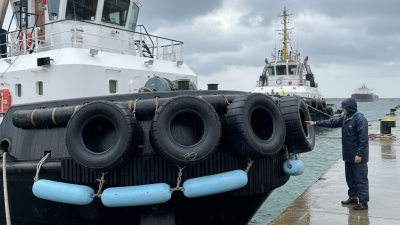
Cell rubber fenders serve various marine environments with exceptional versatility. These fenders are widely used in docks, piers, and harbors. Their design allows for effective energy absorption upon impact, minimizing damage to vessels. In busy ports, where heavy maritime traffic is common, these fenders provide an essential layer of protection.
In industrial applications, cell rubber fenders are vital for ship-to-ship operations. They ensure safe mooring processes, reducing the risk of collisions. In rougher waters, their resilience becomes even more significant. They hold up well against harsh sea conditions, making them suitable for offshore facilities.
Sometimes, however, their installation can be tricky. Misalignment during setup may lead to uneven wear and decreased efficiency. Regular maintenance is crucial to ensure optimal performance. Observations show that neglected fenders often lead to safety hazards. Balancing efficiency with proper care reflects best practices in marine safety management.