Best Tugboat Fender Solutions for Global Buyers?
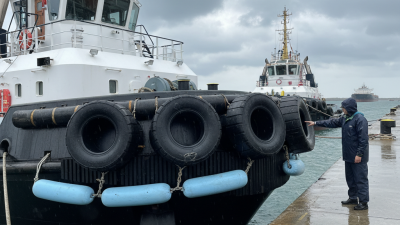
In the maritime industry, the significance of Tugboat Fenders cannot be overstated. These fenders provide critical protection for vessels during docking and mooring operations. Choosing the right fender can enhance safety and efficiency while minimizing potential damage. Global buyers often face challenges in selecting the best solutions available on the market.
There are various types of Tugboat Fenders designed for specific applications. Some fenders are suited for larger tugboats while others cater to smaller vessels. The materials used in manufacturing also differ, impacting durability and performance. Buyers should consider factors such as environment, frequency of use, and specific vessel requirements.
While options abound, not all fenders meet industry standards for reliability and effectiveness. It is essential to research suppliers with a proven track record. Quality assurance and customer feedback play significant roles in decision-making. Buyers must balance cost with quality to find the right Tugboat Fender solution that meets their needs effectively.
Best Tugboat Fender Solutions for Global Buyers
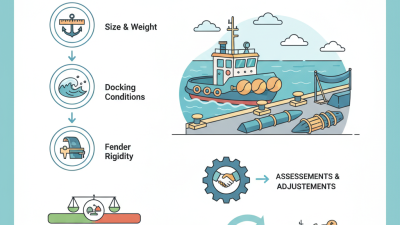
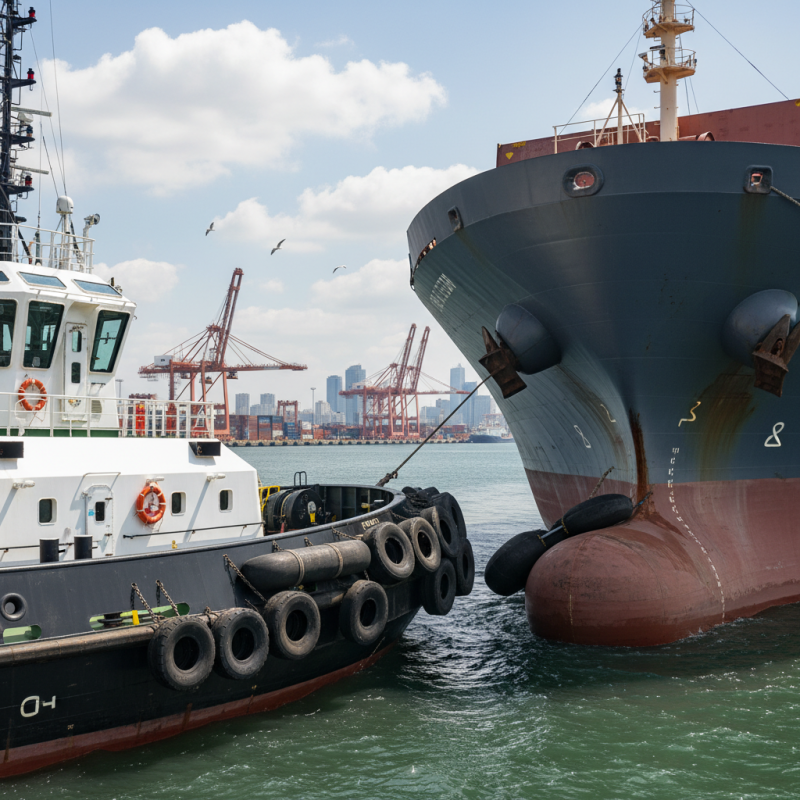
Tugboat fenders play a critical role in marine operations, particularly in protecting vessels and infrastructure during docking and maneuvering. A recent report from the International Maritime Organization (IMO) highlighted that nearly 60% of marine accidents occur during docking procedures, underlining the need for effective fender systems. The design and material of fenders significantly influence their performance, affecting their ability to absorb impact energy and reduce damage.
For global buyers, selecting the right fender solutions requires an understanding of various factors, such as vessel size and operational conditions. According to industry analyses, rubber fenders dominate the market due to their resilience and cost-effectiveness, accounting for approximately 45% of the worldwide fender market share. However, buyers are increasingly exploring alternative materials like foam-filled and pneumatic fenders, which offer unique advantages in specific environments. These fenders can provide better energy absorption and reduced maintenance costs, yet they often come with a higher initial investment.
Many buyers overlook the importance of proper fender maintenance. Neglected fenders can lead to decreased performance and potential safety hazards. Regular inspection and replacement, as highlighted by the American Society of Civil Engineers (ASCE), can enhance the longevity of fenders and ensure optimal functionality. It’s essential for buyers to seek information from reliable sources and weigh the pros and cons of different fender solutions comprehensively.
Overview of Tugboat Fender Usage in Maritime Operations
Tugboat fenders play a crucial role in maritime operations, ensuring the safety of vessels during docking and undocking processes. According to a recent industry report, nearly 70% of maritime incidents involve fender performance issues. Properly designed fenders absorb shock and reduce the risk of damage to both tugboats and the target vessels. This highlights the importance of selecting high-quality fender solutions.
In the maritime sector, the demand for innovative fender systems has grown. A study indicates that the global tugboat fender market is expected to reach $200 million by 2026, with a compound annual growth rate of 5.5%. Buyers should consider factors like material composition, durability, and environmental impact when choosing their fenders. Effective fendering systems can improve operational efficiency and reduce maintenance costs, illustrating their importance in everyday maritime activities.
Not all fenders are created equal. Various designs exist, each with specific advantages and limitations. For instance, while some inflatable fenders offer flexibility, solid rubber fenders provide higher durability. Buyers must assess their particular needs and operational environments. Overlooking these factors could lead to subpar performance, impacting not just safety but also financial outcomes in the long run.
Best Tugboat Fender Solutions for Global Buyers
This chart displays the usage of different types of tugboat fenders in maritime operations. The data reflects the number of units sold for each category, helping global buyers to understand the market preferences.
Key Material Types for Tugboat Fenders: Performance and Durability
Choosing the right materials for tugboat fenders is crucial. The performance and durability of fenders directly impact marine operations. Common materials include rubber, foam, and plastic. Each material has distinct characteristics.
Rubber fenders are highly durable. They provide excellent shock absorption and withstand harsh marine environments. Foam fenders are lightweight and easy to handle, but may need more frequent replacements. Plastic fenders offer resistance to abrasion, but they might not absorb impact as effectively as rubber.
Tips: Assess the specific operational environment before selecting a fender type. Consider factors like temperature, water conditions, and expected impacts. Routine inspections will help identify signs of wear and tear, ensuring timely maintenance.
Selecting the appropriate fender can save costs in the long run. A well-chosen fender minimizes damage and enhances safety. Watch for indicators of excessive wear, and don’t hesitate to consult marine experts for guidance.
Industry Standards and Regulations for Tugboat Fender Design
Designing tugboat fenders requires adherence to industry standards and regulations. These guidelines ensure safety and efficiency in marine operations. Engineers and designers must consider factors like material strength, impact resistance, and durability. Each design varies based on operational needs, vessel sizes, and environmental conditions.
Regulatory bodies provide essential frameworks. These include specifications for fender dimensions, attachment methods, and performance tests. Designers often face challenges in balancing robustness with flexibility. Not all fender designs meet every guideline perfectly. Some may excel in durability but fall short in compliance with flexibility requirements.
Industry experts emphasize continuous improvement. Regular updates to regulations mean that designers must stay informed. Engaging with industry forums and discussions helps in adapting to new standards. Innovative approaches to fender design must account for varying marine environments. Every project is a learning opportunity.
Market Analysis: Demand Trends for Tugboat Fenders Worldwide
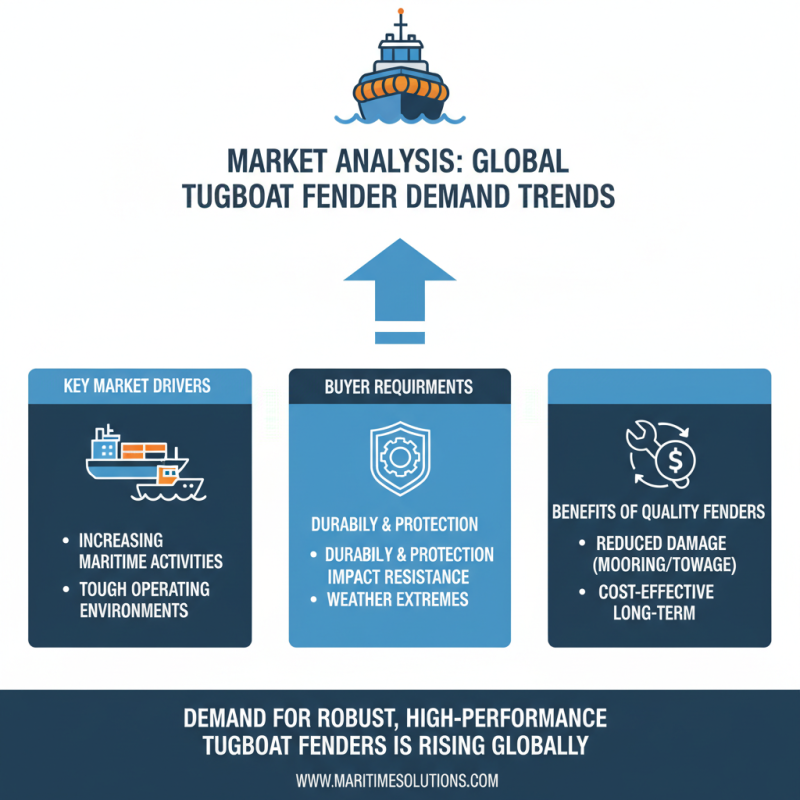
The tugboat fender market is witnessing significant changes. Increasing maritime activities drive demand for durable protection solutions. Tugboats often operate in challenging environments, necessitating effective fenders. High-quality fenders reduce damage during mooring and towage operations. Buyers seek fenders that withstand harsh weather and physical impacts.
In recent years, the focus has shifted towards advanced materials. Eco-friendly options are gaining traction as environmental concerns rise. Buyers are now more informed and prefer solutions that offer longevity and sustainability. This trend reflects a growing awareness of ecological responsibilities among operators. However, manufacturers must continuously innovate to meet these evolving demands.
Yet, challenges remain. Some fenders may not perform as expected under extreme conditions. Therefore, it is essential for buyers to conduct thorough research. Reviews and testimonials can guide decisions. Understanding the real-life performance of fenders is crucial. The market is dynamic, and adaptation to trends is necessary to remain competitive.
Conclusion
The article "Best Tugboat Fender Solutions for Global Buyers" provides a comprehensive overview of the importance and applications of tugboat fenders in maritime operations. It outlines the critical role these fenders play in protecting vessels during towing activities, highlighting different material types known for their performance and durability. Furthermore, it delves into industry standards and regulations that govern tugboat fender design, ensuring safety and effectiveness in usage.
The market analysis section reveals the current demand trends for tugboat fenders worldwide, indicating a growing market driven by advancements in shipbuilding and towing operations. Additionally, it explores innovative technologies in tugboat fender manufacturing, suggesting that improvements in design and materials are enhancing their functionality and lifespan. This summary emphasizes the significance of choosing the right tugboat fender solutions for optimal maritime safety and efficiency.