10 Best Security Bollards for Ultimate Protection and Safety?
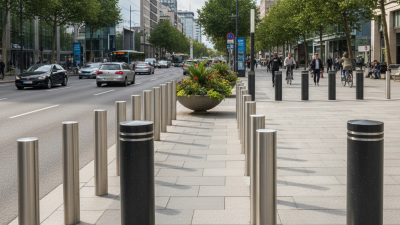
Security Bollards play a vital role in enhancing safety and protection across various environments. These robust barriers are designed to withstand impacts and safeguard pedestrians, buildings, and valuable assets. An effective security bollard can deter potential threats while maintaining aesthetic appeal in public spaces.
Selecting the right security bollards requires knowledge and understanding of their features. Different types offer varying levels of protection, from removable models for versatility to fixed installations for maximum security. However, not all bollards fit every need, making careful consideration essential.
In urban areas, the visual impact of security bollards is significant. They must blend functionality with design. A poorly chosen bollard can become both an eyesore and a liability. This guide explores the ten best security bollards to help you make informed decisions. Each option balances durability with style, ensuring safety without sacrificing appearance.
Definition and Purpose of Security Bollards
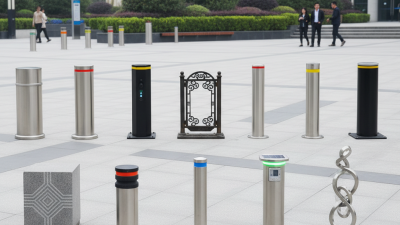
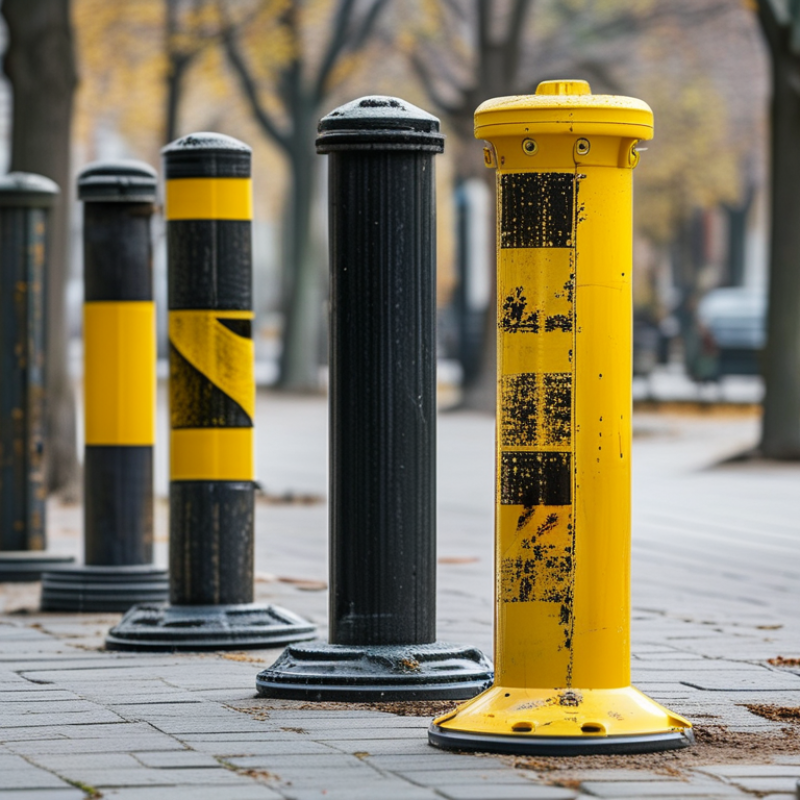
Security bollards are essential tools for enhancing safety in various environments. Their primary purpose is to protect pedestrians and property from potential vehicle incursions. These sturdy structures act as physical barriers, preventing unauthorized vehicles from accessing restricted areas. Typically made from materials like stainless steel or concrete, they are designed to withstand significant impacts. Their visible presence alone serves as a deterrent to reckless driving.
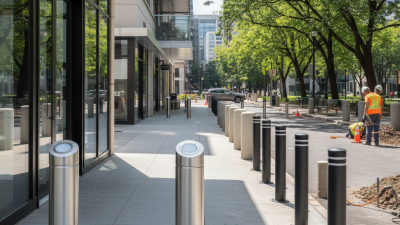
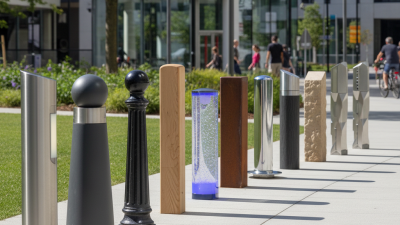
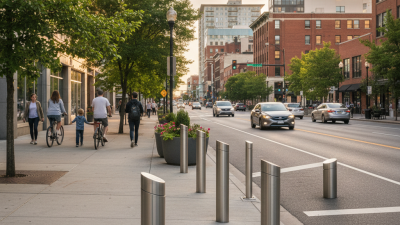
In urban settings, security bollards are often strategically placed near storefronts, parks, and public buildings. They help define spaces and guide traffic flow. Some designs come with added aesthetic elements, blending functionality with visual appeal. However, not all installations are perfect. Inadequate placement may leave vulnerable spots that can be exploited. Regular evaluations are necessary to ensure they serve their intended purpose effectively.
It's crucial to consider the varying requirements of different locations. A one-size-fits-all approach does not apply here. Environmental factors, such as weather conditions and traffic patterns, should inform the choice of bollard. Reflecting on their effectiveness can lead to improvements in design and placement. Each location has unique challenges, and addressing them can enhance overall safety.
10 Best Security Bollards for Ultimate Protection and Safety
| Type |
Material |
Height (inches) |
Diameter (inches) |
Weight (lbs) |
Impact Resistance (kJ) |
| Fixed |
Steel |
42 |
8 |
100 |
40 |
| Removable |
Aluminum |
36 |
6 |
50 |
25 |
| Deployable |
Concrete |
48 |
10 |
200 |
60 |
| Collapsible |
Plastic |
30 |
5 |
20 |
15 |
| Retractable |
Steel |
42 |
8 |
80 |
35 |
Key Features to Look for in Security Bollards
When selecting security bollards, key features significantly enhance protection and safety.
Durability is vital. Materials like steel or reinforced concrete resist impacts and harsh weather.
According to the National Association of Security Companies, over 30% of security failures stem from inadequate infrastructure.
Therefore, choosing robust materials is essential for long-term effectiveness.
Height and visibility are also critical. Bollards should be
tall enough to deter vehicles but not obstruct visibility for pedestrians.
Bright colors or reflective coatings improve detection, especially at night. A recent study showed that 65% of accidents occur in poorly marked areas.
Implementing visually clear bollards can significantly reduce these incidents.
Moreover, flexibility in design is important for varied environments. Fixed bollards provide
sturdy protection, while retractable options offer versatility.
It’s essential to consider placement as well. Over 40% of security professionals argue that improper positioning compromises effectiveness.
Understanding your specific location's needs can lead to better security outcomes.
Top 10 Security Bollards for Enhanced Protection
When it comes to enhancing safety in urban areas, security bollards play a crucial role. These sturdy structures serve as physical barriers, protecting pedestrians and property from vehicle intrusion. Choosing the right bollards is essential for maximizing safety in high-traffic zones and vulnerable locations.
Consider bollards made from durable materials like steel or reinforced concrete. These can withstand significant force, providing reliable protection. Height and design also matter; taller bollards often deter vehicles more effectively. Assess your specific needs based on the location and potential risks.
Tips for selection include evaluating the environment. Areas with heavy foot traffic may require more visible options. Also, think about aesthetics; attractive designs can blend in well with surrounding architecture while still providing ample security. Regular maintenance checks are necessary to ensure the bollards remain effective. Look for any signs of wear or damage that may compromise their integrity.
Comparison of Materials Used in Security Bollards
When evaluating security bollards, the materials used play a crucial role in their effectiveness.
Steel, concrete, and plastic are common options, each with distinct advantages. Steel bollards are robust and can withstand significant impacts. According to industry reports, steel can absorb over 1,200 joules of energy without deforming. This makes steel the preferred choice for high-security areas.
Concrete bollards offer excellent durability as well. Their weight provides stability, making them harder to move. Studies suggest that concrete bollards can resist even greater forces, which is key in protecting pedestrian zones and buildings. However, one should consider that installation can be more complex due to weight.
On the other hand, plastic bollards are lightweight and easy to install. While they may not offer the same level of protection as steel or concrete, they are often used in low-risk settings. Their bright colors and designs can enhance visibility. However, reliance on plastic could lead to safety concerns if used in inappropriate environments. The choice of material significantly impacts safety outcomes and should align with specific security needs.
Installation and Maintenance Tips for Security Bollards
When installing security bollards, preparation is key. According to industry reports, proper placement can reduce vehicle-related incidents by up to 39%. Assessing the location beforehand is essential. Consider traffic patterns and pedestrian pathways. This analysis helps determine the optimal type and height of bollard needed.
Maintenance is equally important. Regular checks can enhance bollard longevity. Inspect the structural integrity and surrounding area. Cracks or loose fixtures may compromise effectiveness. A 2023 study highlighted that unsupervised bollards face a higher risk of damage, impacting safety. Ensure the paint and finishes are intact. Repainting damaged bollards not only improves visibility but also preserves their protective function.
Incorporating smart technology could improve safety but comes with challenges. Integrating sensors and alarms adds complexity and may require specialized knowledge for installation. As advancements continue, it’s crucial to reflect on evolving safety needs. The balance between tech and traditional methods can lead to better outcomes. Regular training sessions for those responsible for oversight are essential. This keeps teams informed and proactive.