In 2026, choosing Road Bollards is about more than stopping vehicles. The right option must suit the site, manage access, and stand up to daily use. A busy school entrance, a narrow pavement, and a loading bay each present different needs. A bollard that works well in one setting may create visibility or access problems in another.
This guide compares fixed, removable, retractable, and impact-rated designs. It considers material, visibility, installation, maintenance, and the level of protection each type is designed to provide. Small details matter. A reflective band can help a bollard stand out at dusk. A poorly positioned unit can obstruct pedestrians or complicate routine servicing. There are trade-offs, too. The toughest option is not always the most practical choice.
A verified expert quotation would strengthen this introduction, but no article or source was provided to confirm an expert’s name or exact words. Rather than invent an attribution, this guide focuses on criteria readers can check: product specifications, installation requirements, and evidence of intended performance. That may feel less dramatic. It is more dependable.
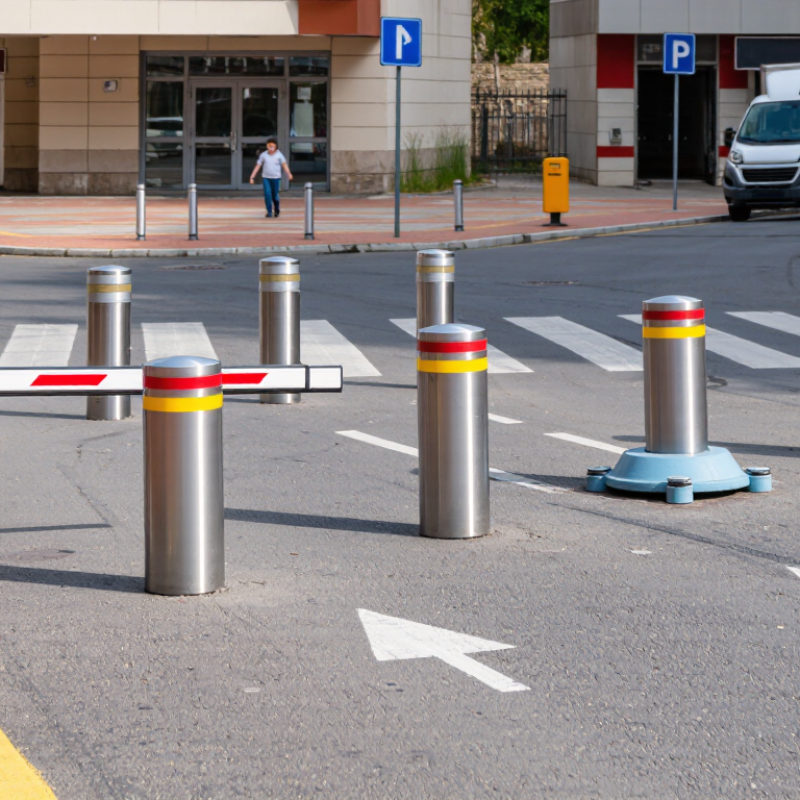
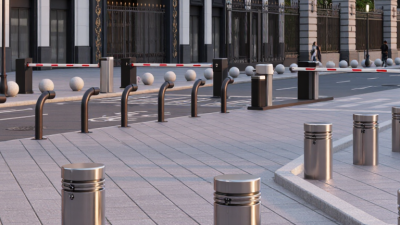
Road bollards are short, sturdy posts placed along streets, sidewalks, entrances, and building edges. They guide movement and help prevent vehicles from entering spaces meant for people. Some are fixed in concrete; others can be removed or lowered when service access is needed. Their simple shape can make a busy plaza feel more clearly defined.
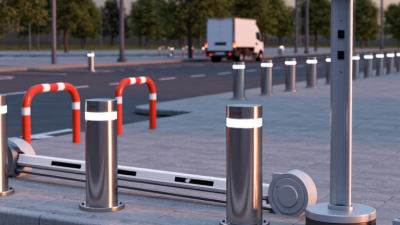
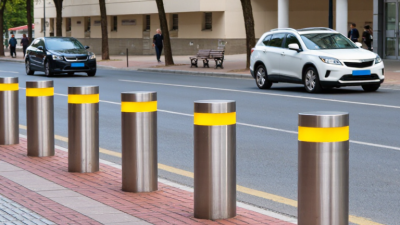
Protection starts with choosing the right bollard for the site. Spacing should allow pedestrians, wheelchairs, and strollers to pass comfortably while discouraging vehicle access. Height, visibility, and surface contrast matter, especially on rainy evenings or near dim loading areas. A reflective band can help drivers notice a post before turning too close. Small details count.
Not every bollard stops a fast-moving vehicle. That matters. Where impact resistance is needed, planners should assess likely vehicle speeds, approach paths, ground conditions, and the consequences of a collision. A post that looks substantial may still perform poorly if its foundation is unsuitable. Maintenance matters, too: loose fittings, faded finishes, or damaged bases can reduce safety and create trip hazards. The best choice is not always the strongest one; it should suit the space, preserve clear access, and be inspected regularly. There is no perfect layout, and real use may reveal gaps that drawings missed.

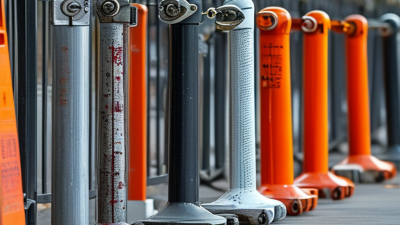
Road bollards in 2026 come in several forms, each suited to a different level of access and impact risk.
Fixed bollards are anchored into concrete and provide a steady physical boundary. They work well beside building entrances, pedestrian areas, and parking edges where vehicles should not pass. Their position is dependable, but changing the layout later can be costly.
Removable bollards fit into ground sockets and can be lifted out when service vehicles need access. They offer flexibility, though staff must store and handle each unit.
Retractable bollards rise from the ground, manually or through powered systems. These suit entrances with frequent access changes, but their mechanisms need regular inspection. Dirt, water, and neglected maintenance can cause trouble. A simple detail, but an important one.
Flexible bollards bend when struck and return toward their original position. They guide traffic without creating the same rigid obstacle as fixed models, making them useful for lane guidance and low-speed areas. They are not designed to stop every vehicle, so expectations should stay realistic. Reflective bands or built-in lighting can improve visibility at night and in poor weather.
The best type depends on vehicle speed, ground conditions, access needs, and maintenance capacity; no single design fits every street.
A useful bollard assessment starts with the threat it must withstand. For vehicle impact resistance, ask whether the exact bollard-and-foundation assembly has been tested under ASTM F2656/F2656M-23. This standard evaluates vehicle security barriers under defined impact conditions; ratings depend on test details, including vehicle mass, speed, and penetration distance.
A product description alone is not proof. Request the test report and installation specifications. Foundations matter.
Visibility deserves equal attention. NHTSA’s 2022 Traffic Safety Facts: Pedestrians reports that 76% of pedestrian fatalities occurred in dark conditions. Look for strong contrast, durable reflective bands, and placement that remains visible from a driver’s approach—not just in a product photo.
Check sightlines in rain and under actual street lighting. A bright sleeve can still disappear behind parked vehicles.
Safety also depends on spacing, pedestrian access, and maintenance. Walk the site: can a wheelchair user pass comfortably, and can crews reach drains without moving barriers? Inspect for loose anchors, cracked coatings, and reflectors dulled by road grime.
Small details matter. I would not treat a high impact rating as a complete safety answer; it can overlook everyday visibility and access. Ensure the chosen layout fits the site’s traffic, users, and emergency needs.
The best road bollard depends on what a site needs to control. On a narrow street or beside a building entrance, fixed steel bollards can create a clear, permanent boundary. Choose a finish suited to local weather, especially where rain or road salt may cause corrosion. Reflective bands help drivers spot bollards after dark. Small details matter.
For shared streets, service entrances, and event areas, removable or retractable bollards can keep access flexible. Removable models suit places where access changes occasionally, but staff need somewhere safe to store each post. Retractable versions stay in the ground and lower when needed. Check how often they will operate, and who will maintain them. A mechanism that jams can quickly become a daily nuisance.
Parking areas and low-speed lanes may benefit from flexible bollards that bend after light contact, though they are not a substitute for impact-rated protection. Check the expected vehicle types, traffic speed, ground conditions, and required clearance before choosing. Check the ground. Weak paving or shallow foundations can undermine even a sturdy post. For high-risk locations, ask a qualified engineer to assess impact performance and installation. There is no perfect option for every site; a careful site survey is often more useful than choosing by appearance alone.
| Bollard type | Best suited sites and uses | Typical construction | Main advantages | Key limitations and checks |
|---|---|---|---|---|
| Fixed, surface-mounted | Car parks, private roads, loading areas, and pedestrian zones where permanent vehicle separation is needed and excavation is restricted. | Steel or stainless-steel post attached to a prepared concrete base with anchors. | Can be installed without setting a post deep into the ground; damaged units may be easier to replace than buried posts. | Strength depends on the bollard, anchors, slab thickness, concrete condition, and installation. Do not assume it provides crash protection without suitable test evidence. |
| Fixed, in-ground | Footpaths, building frontages, public spaces, and site perimeters where access control is permanent. | Steel, stainless steel, or concrete post set into a concrete foundation or sleeve. | Offers a permanent obstruction and can be specified in different finishes and profiles. | Requires excavation and may be harder to replace. Foundation design, underground utilities, drainage, and soil conditions need checking. |
| Removable | Emergency access routes, event areas, service entrances, and shared spaces that need occasional vehicle access. | Post that lifts out of a ground socket, often secured with a lock or pin. | Allows authorized vehicles through while keeping a visible barrier in place at other times. | Requires storage and staff procedures when removed. Socket covers, debris, water, and lock maintenance can affect operation. |
| Retractable or rising | Controlled entrances, restricted streets, secure facilities, and sites with frequent authorized vehicle movements. | Hydraulic, electro-mechanical, or manually operated rising post with a below-ground housing. | Can provide controlled access without leaving a permanent post across the roadway when lowered. | Needs power or manual operation, planned maintenance, suitable drainage, and a safe failure procedure. Confirm operating speed and access-control compatibility. |
| Flexible, impact-recovery | Car parks, traffic islands, low-speed lanes, and locations where occasional minor vehicle contact is foreseeable. | Flexible polymer or elastomeric post, sometimes fixed to a surface or set into a base. | May bend on impact and return toward its original position, helping reduce damage from low-speed contact. | Not a substitute for a rigid vehicle barrier where penetration must be prevented. Check visibility, attachment method, and replacement needs. |
| Decorative or pedestrian-guidance | Shopping streets, plazas, campuses, parks, and building approaches where visual order and pedestrian guidance are priorities. | Often steel, cast iron, stainless steel, or concrete, with a selected finish or reflective detail. | Can complement the surroundings while defining edges and discouraging casual vehicle entry. | Appearance does not indicate impact performance. Check spacing, visibility, pedestrian routes, and whether the post creates an obstruction for wheelchair users. |
| Crash-rated security bollard system | Sites with a documented hostile-vehicle or high-consequence impact risk, such as sensitive building entrances or protected perimeters. | Engineered bollard and foundation system tested to a specified vehicle-impact standard and rating. | Can be selected using verified test performance for a defined vehicle, speed, and penetration criterion. | Specify the required test standard and rating through a qualified security or structural professional. Performance depends on the complete system, including foundation and ground conditions. |
| Traffic-calming or lane delineator post | Roadworks, temporary lane changes, cycle lanes, and low-speed traffic-calming layouts. | Usually a lightweight flexible post with reflective markings, attached to a base or road surface. | Provides a conspicuous visual guide and can help clarify temporary or low-speed traffic layouts. | Generally intended for delineation, not to stop vehicles. Follow local traffic-control rules and use suitable signs, spacing, and visibility treatments. |
Selection note: “Best” depends on the site’s access needs, expected vehicle loads, pedestrian accessibility, exposure to weather, foundation conditions, maintenance capacity, and any required impact rating. Confirm local codes and product test documentation before specifying a system.
Choosing the best road bollards in 2026 starts with the site, not the product catalogue. Observe vehicle speeds, turning paths, pedestrian routes, and delivery access at different times of day. A bollard protecting a shopfront may need different impact resistance from one guiding cars through a parking area. Check underground utilities before drilling, and confirm the pavement can support the proposed anchors. Fixed, removable, and flexible designs each suit different access needs. Small details matter.
Tips: Mark the layout with cones before installation. Walk the route at night, too. Check sightlines from a driver’s seat, especially near crossings and corners.
Installation should follow the manufacturer’s instructions and the project’s engineering requirements. Keep bollards visible with suitable reflective bands or contrasting finishes, and avoid placing them where they obstruct accessible routes or maintenance access. Spacing needs careful judgment: gaps that look narrow on a plan may feel different to a person using a wheelchair. Recheck the layout on site. It is easy to miss something.
Maintenance is more than a quick visual glance. Inspect the bases for loose anchors, cracked concrete, standing water, and fresh impact marks. Look for peeling coatings, rust, faded reflectors, or leaning posts. After a vehicle strike or severe weather, isolate damaged areas and arrange a competent assessment before returning them to service. Keep a simple inspection log with dates and photos. Even a tidy site can hide a loose fixing.
Material density is one useful comparison when considering bollard weight and handling. These are approximate reference values for the materials themselves; actual products vary by grade and design. Density alone does not indicate impact resistance or crash performance.
When installing or maintaining bollards, also check the tested performance rating, foundation and anchoring, surface finish, and signs of corrosion or impact damage. Follow the manufacturer’s instructions and applicable local requirements.