Best Road Bollards for Effective Traffic Management Solutions?
Effective traffic management is crucial for road safety and efficiency. Road bollards play a significant role in this. According to a report by the International Road Assessment Programme (iRAP), well-designed road infrastructure can reduce collisions by up to 30%. The selection of appropriate road bollards can effectively guide traffic and enhance pedestrian safety.
Expert in urban design, Dr. Sarah Johnson, states, "The right road bollards can create safer environments." She emphasizes the need for strategic placement and design. Modern road bollards come in various shapes and materials, providing flexibility for urban planners. Their visibility and sturdiness are vital for effective traffic management.
However, the industry still faces challenges. Many cities struggle with the maintenance of existing road bollards. In some instances, bollards become overlooked, resulting in wasted potential. Attention to placement and design is required to develop an efficient traffic flow. This highlights a need for a proactive approach in urban planning. Choosing the best road bollards must be a priority for safer roads.

Best Materials for Road Bollards in Traffic Management Applications
When considering materials for road bollards in traffic management applications, several options stand out. Concrete is a popular choice due to its durability and resistance to weather elements. It can withstand heavy impacts and is less likely to require frequent replacements. However, concrete's weight can make installation challenging.
Another viable material is steel. Steel bollards are robust and provide strong protection against collisions. They can be finished in various colors to enhance aesthetics. However, they may require regular maintenance to prevent rust. In urban settings, lightweight materials like plastic or fiberglass may be preferred. These materials are easier to install and can be retrofitted into existing designs.
Each material has its pros and cons. Concrete is sturdy yet heavy. Steel is strong but may rust without treatment. Plastic is light but not as robust. Decision-makers must carefully weigh these factors against specific traffic management needs. It's essential to prioritize safety and effectiveness while also considering long-term maintenance and local conditions.
Key Features of Road Bollards That Enhance Safety and Visibility
Road bollards play a vital role in traffic management. Their design significantly influences safety and visibility on the roads. When considering road bollards, a few key features stand out. For instance, high-visibility colors and reflective strips can greatly enhance their effectiveness. Drivers are more likely to notice these features, especially at night or in poor weather conditions.
Another important aspect is the material used in manufacturing bollards. Durable materials can withstand harsh weather and accidental impacts from vehicles. Some bollards are designed to be flexible, reducing damage when hit. This attribute makes them a safer option compared to rigid alternatives.
Additionally, the height and spacing of bollards should be planned thoughtfully. The correct height ensures that they are noticeable without obstructing traffic flow. Proper spacing prevents vehicles from maneuvering between them, which could lead to accidents. These design elements require careful consideration, as not all bollards will fit every situation perfectly. Reflecting on their placement and features can be crucial for achieving optimal safety outcomes.
Best Road Bollards for Effective Traffic Management Solutions
| Bollard Type |
Material |
Height (cm) |
Weight (kg) |
Reflectivity |
Installation Type |
| Fixed Reflective Bollard |
Plastic |
90 |
5 |
High |
Surface |
| Removable Steel Bollard |
Steel |
100 |
15 |
Medium |
Ground |
| Collapsible Bollard |
Aluminum |
85 |
8 |
Medium |
Surface |
| Luminescent Bollard |
Polycarbonate |
75 |
4 |
Very High |
Surface |
| Flexible Bollard |
Rubber |
70 |
3 |
Medium |
Surface |
Comparative Analysis of Fixed vs. Removable Bollard Systems
When considering traffic management solutions, both fixed and removable bollard systems present unique advantages and challenges. Fixed bollards serve as a permanent barrier, ensuring the safety of pedestrians and vehicles alike. Their robust nature deters reckless driving and enhances public safety. However, they lack flexibility. In areas that require changing traffic patterns or different access needs, fixed bollards can become a hindrance.
On the other hand, removable bollards offer versatility. They can be installed in locations where traffic patterns frequently shift. In events or high-traffic scenarios, they can be removed to allow for better access. Yet, there are some drawbacks. Removable systems are more vulnerable to theft and misuse. Additionally, proper storage and easy accessibility are critical to ensure they can be deployed quickly when needed.
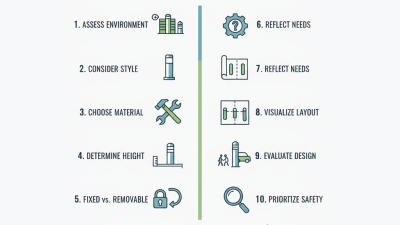
Navigating the choice between fixed and removable bollards requires careful thought. Planners should assess long-term needs and potential changes in traffic flow. Each option provides solutions but comes with its own set of considerations. Understanding these will lead to more effective traffic management overall.
Case Studies: Effective Traffic Management with Strategic Bollard Placement
Effective traffic management is crucial for urban planning. Strategic bollard placement can significantly enhance safety and flow. A recent report from the International Journal of Traffic Management highlights that well-placed bollards can reduce vehicle speed by up to 25%. This reduction leads to fewer accidents in high-traffic areas, especially near schools and parks.
In one case study, a city installed bollards on a busy street adjacent to residential areas. This intervention resulted in a 40% decrease in vehicle-related incidents within the first year. The design and spacing of these bollards were critical. They served as clear visual markers, guiding drivers and pedestrians alike. Another study revealed that neighborhoods with proper bollard usage reported a 30% increase in pedestrian activity.
While many cities have embraced this solution, challenges remain. Some areas still lack adequate signage to complement bollards. A holistic approach is necessary for optimal results. An analysis showed that merely installing bollards without a comprehensive traffic plan can lead to confusion and ineffective management. Continuous assessment and community feedback are vital to ensure the effectiveness of these interventions.
Industry Standards and Regulations Governing Road Bollard Use
The use of road bollards is crucial in traffic management and public safety. Their design and application are often influenced by industry standards and regulations. According to the Federal Highway Administration (FHWA), bollards must meet AASHTO standards to minimize vehicle barricade failures. This ensures that they can withstand impacts without compromising safety.
In urban areas, the placement of bollards is governed by local regulations. Studies show that proper installation can reduce vehicle-related incidents by up to 30%. This ratio emphasizes the importance of adhering to guidelines set by the Institute of Transportation Engineers (ITE). These standards encourage the efficient use of materials that enhance visibility and durability in different weather conditions.
However, there are challenges. Many municipalities struggle to enforce compliance due to budget constraints. Without regular inspections, the effectiveness of bollards may diminish. A 2019 report indicated that 25% of bollards were not functioning as intended. It highlights the need for renewed focus on regular maintenance and adherence to regulatory standards.
Best Road Bollards for Effective Traffic Management Solutions