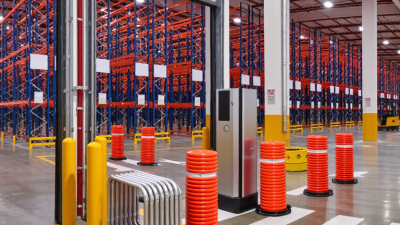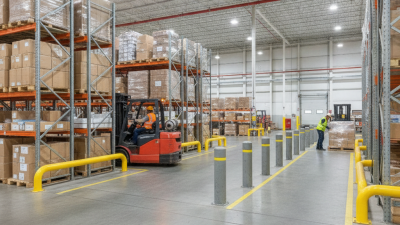
Warehouse floors are busy places, where forklifts, pallet jacks, and delivery vehicles move close to people and equipment. Warehouse Bollards can help define travel routes and shield vulnerable areas, including loading bays, rack ends, doors, and pedestrian walkways. Their value depends on more than appearance. A barrier must suit the impact risks, available space, and daily traffic patterns. Small details matter.
This guide explores common bollard options, from fixed steel posts to removable and flexible designs. It considers material, visibility, installation, and placement, helping facility teams compare products against real site needs. A bright finish may improve visibility, while a well-positioned post can help keep vehicles away from a column or doorway. Yet no single design fits every warehouse. A post that protects one area might obstruct turning space or complicate access elsewhere.
Good decisions begin with observing how the site operates, not only reading product specifications. Walk the routes. Note blind corners, scrape marks, and places where pedestrians cross vehicle paths. Then check proposed locations with qualified safety or facilities professionals, and follow the manufacturer’s installation guidance. Conditions change, too: new equipment or shifted storage can make yesterday’s layout less suitable. This is easy to overlook. The recommendations ahead offer practical starting points, not a substitute for a site-specific assessment.

Warehouse bollards are sturdy posts installed near doors, racking, machinery, and pedestrian routes. They are commonly made from steel or other impact-resistant materials. Some are fixed into concrete; others can be removed when access needs change. Their purpose is simple: create a visible physical barrier between moving vehicles and vulnerable parts of a facility.
A forklift may turn wide while carrying a pallet, especially in a narrow aisle. A well-placed bollard can absorb or redirect a minor collision before it reaches a dock door, column, or control panel. Bright finishes help drivers notice hazards in busy, noisy areas. They are not a substitute for safe driving. Clear sightlines and sensible traffic routes still matter.
Placement deserves careful thought. A post too close to a doorway can obstruct carts, while one set too far away may leave equipment exposed. Walk the route during a normal shift and note where wheels, loads, and people actually travel. That practical check can reveal awkward spots on a floor plan.
Bollards also need inspection. Look for loose anchors, deep dents, cracked concrete, or coating that has worn away. A damaged post may look reassuring while offering less protection than expected. Repair needs can be easy to overlook. Facilities should match bollard strength and spacing to the likely impact risks, rather than treating every area the same.

Main Types of Bollards Used in Warehouses
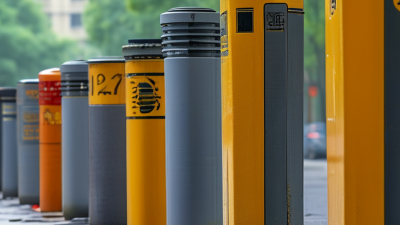
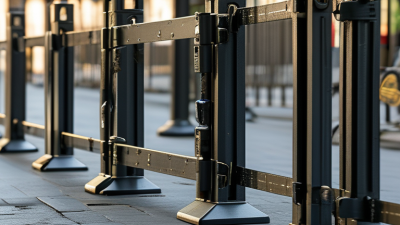
Warehouse bollards protect people, doors, columns, and equipment from moving vehicles. The right type depends on impact risk, traffic flow, and whether access must remain clear. Fixed steel bollards suit permanent hazards, such as pedestrian routes beside forklift lanes. Removable bollards can guard loading bays but lift out when deliveries need access. Retractable models lower into the floor, though their housings need regular cleaning. Flexible polymer bollards bend under contact and may reduce vehicle or floor damage, but they are not a substitute for rigid barriers where severe impacts are possible.
The need is measurable. The U.S. Bureau of Labor Statistics reported a 2022 total recordable injury and illness rate of 4.8 cases per 100 full-time workers in warehousing and storage, compared with 2.7 across private industry. These figures do not show that bollards alone prevent injuries. They do show why facilities should assess vehicle routes, blind corners, and vulnerable structures. A bollard placed too close to a turning path can create a new hazard. Small details matter.
Tips: Match bollard spacing to the vehicle and load width, then check sightlines from the driver’s seat. Review anchor points, floor condition, and impact ratings with a qualified safety professional. Reassess after layout changes. Even a careful plan can miss a busy corner.
Choosing warehouse bollards starts with observing how vehicles actually move, not just studying a floor plan. Note forklift routes, blind corners, loading doors, and pedestrian crossings during a busy shift. A rack-end guard faces repeated, low-speed contact; a doorway may need protection from heavier delivery vehicles. Measure twice. A bollard placed too close to a turning aisle can become another collision hazard.
Match the bollard’s construction and installation to the likely impact. Steel posts suit many high-traffic areas, while flexible models may work where occasional contact is expected and equipment clearance matters. Check the manufacturer’s impact data, post diameter, and anchoring requirements. A strong post can still fail if its anchors are poorly matched to cracked or thin concrete. Impact ratings also do not guarantee that nearby equipment will remain undamaged.
Placement matters as much as the post itself. Guard exposed rack legs, control panels, and door frames, but leave enough room for forks and pallet loads to pass safely. Use bright, contrasting finishes where lighting is dim or traffic crosses walking routes. Removable posts can help at access points, though they need a clear routine for securing them again. Review the layout after near misses or workflow changes; warehouse traffic rarely follows the neat path we expected.
Impact energy rises rapidly with vehicle speed. This illustration assumes a 3,000 kg moving forklift-and-load mass and uses kinetic energy (½ × mass × speed²); the figures are calculations, not bollard impact ratings. For rack ends, columns, pedestrian routes, doors, and loading areas, select protection based on site-specific vehicle mass, speed, approach, and applicable engineering requirements.
Top Warehouse Bollards for Safety and Protection
Where and How to Install Warehouse Bollards
Warehouse bollards work best where vehicle paths meet people, equipment, or vulnerable structures. Protect pedestrian doors, aisle ends, rack uprights, charging stations, and building corners exposed to forklifts. OSHA forklift-safety materials cite estimates of about 85 fatalities and 34,900 serious injuries annually in forklift incidents. Those figures make separation worth careful planning; a post alone cannot correct a poor traffic layout. Walk the site during a busy shift and note turning points, blind corners, and scraped surfaces.
Set bollards outside required walking and forklift clearances, but close enough to shield the hazard. Use a consistent line to guide traffic around pedestrian routes, and keep emergency exits and sightlines clear. For fixed protection, anchor posts into sound concrete using the manufacturer’s specified embedment and fasteners. Check slab condition first: cracked concrete may not hold an impact load. Spacing depends on vehicle size, turning radius, and the opening being protected, so verify it against a site plan rather than guessing. A misplaced post can become a hazard itself.
Tips: Mark proposed locations with tape, then test them with a loaded truck and a walking observer before drilling. Photograph the layout, record anchor inspections, and recheck posts after impacts. This step is often skipped. It shouldn’t be.
Warehouse bollards take repeated hits from pallet trucks, forklifts, and rolling loads. Inspect them on a regular schedule that reflects traffic and impact risk. Check again after any collision, even when damage looks minor. Look closely.
Walk around each post and check for bends, cracks, chipped coatings, and fresh scrape marks. Examine the base plate, anchors, and surrounding concrete for looseness, rust, gaps, or new cracks. A bollard can look straight while its footing has shifted. That detail is easy to miss. Note the post’s position and compare it with earlier inspection records.
Keep the area clear enough to inspect the full base. Remove loose debris, but do not hide corrosion under a quick coat of paint. Tighten or replace hardware only when the installation specifications allow it. If a post is bent, loose, or separated from the floor, keep traffic away from the affected area and arrange a competent assessment. A damaged barrier may not offer reliable protection. Record the location, condition, and repair date; photos help reveal gradual changes. Check the repaired post again after use. A checklist helps, but it can become a routine people rush through. Take time to look.
| Bollard Type | Typical Warehouse Use | Inspection Frequency | What to Inspect | Maintenance or Response |
|---|---|---|---|---|
| Fixed steel bollard | Protecting building corners, columns, dock areas, and pedestrian routes from vehicle contact. | Visual check during routine site rounds; detailed check at least monthly and after any impact. | Look for bending, cracks, severe corrosion, loose or damaged base areas, and movement at the footing. | Keep the surrounding area clear. Repair damaged coatings, and have a qualified person assess any deformation, looseness, or concrete damage before returning the area to normal use. |
| Surface-mounted steel bollard | Separating vehicle and pedestrian areas where installation into a deep footing is not practical. | Check monthly and after impact, nearby floor work, or unusual vibration. | Inspect anchor bolts, base plate, welds, floor cracks, and any signs that the bollard has shifted. | Tighten or replace fasteners only according to the installation instructions. Isolate the area if anchors or the supporting slab appear damaged. |
| Removable bollard | Controlling access through a route that must occasionally be opened for deliveries or equipment. | Check before use and during monthly inspections; inspect the socket after heavy use or impact. | Check the locking mechanism, retaining pin, fit in the socket, visible corrosion, and whether the bollard can be secured correctly. | Clean debris from the socket and use only a lubricant suitable for the mechanism. Do not leave the route unsecured when the bollard is removed. |
| Retractable bollard | Providing controlled access at vehicle entrances, service lanes, or restricted warehouse zones. | Check operation as part of the site’s routine access-control checks; arrange periodic servicing based on the manufacturer’s instructions. | Verify smooth raising and lowering, secure locking, unobstructed movement, and condition of the mechanism, drainage, and controls. | Keep the mechanism and surrounding area free of dirt and standing water. Tag out a unit that fails to lock or move reliably, and arrange qualified service. |
| Flexible polymer bollard | Marking lanes, low-speed traffic routes, or areas where a visible guide is useful and repeated light contact may occur. | Check monthly and after significant contact. | Look for splits, missing or faded reflective material, loose fixings, and a bollard that no longer returns to its intended position. | Clean with a compatible non-abrasive cleaner. Replace units that are cracked, detached, or no longer clearly visible. |
| Reflective or high-visibility bollard | Improving visibility around doorways, intersections, loading areas, and other low-light or high-traffic locations. | Check monthly and whenever lighting, cleaning, or vehicle contact may have affected visibility. | Inspect reflective bands or panels for dirt, peeling, fading, damage, or obstruction by stored materials. | Clean using a method compatible with the reflective material. Replace damaged or unreadable markings and keep the bollard visible from approaching traffic paths. |
| All bollard types | General protection for people, equipment, structures, and traffic routes. | Conduct an immediate inspection after a reported collision, even if damage is not obvious. | Check the bollard and its base, anchors, surrounding floor or concrete, nearby barriers, and any signs of impact-related movement. | Record the date, location, findings, and actions taken. Restrict access to a hazard area until damage has been assessed and necessary repairs are complete. |
Inspection intervals are a practical starting point, not a substitute for site risk assessments, applicable local requirements, or the bollard manufacturer’s installation and maintenance instructions.