What is a Warehouse Bollard and Why Do You Need One?
Warehouse bollards are critical safety features in industrial settings. According to the National Safety Council, over 100,000 workers are injured each year due to vehicle-related accidents in warehouses. These incidents often arise from collisions between forklifts and pedestrians or structural elements. The presence of warehouse bollards helps mitigate these risks significantly.
Bollards serve multiple purposes by acting as physical barriers. They protect both personnel and equipment from potentially catastrophic accidents. The Warehouse Safety Institute reports that proper installation of warehouse bollards can reduce accident rates by over 30%. This highlights the importance of implementing such safety measures in both new and existing facilities.
Despite their benefits, not all warehouses prioritize the installation of these crucial barriers. Some facilities overlook the necessity of warehouse bollards until it’s too late. Understanding their role is essential for improving safety. Emphasizing both the need and the long-term advantages of these structures can foster a safer environment for all warehouse operations.
What is a Warehouse Bollard? Definition and Functionality Explained
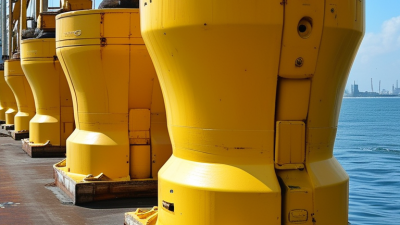
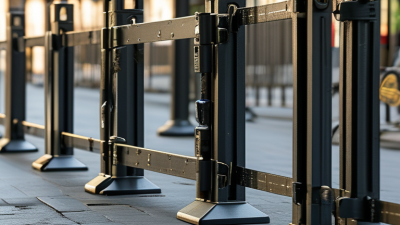
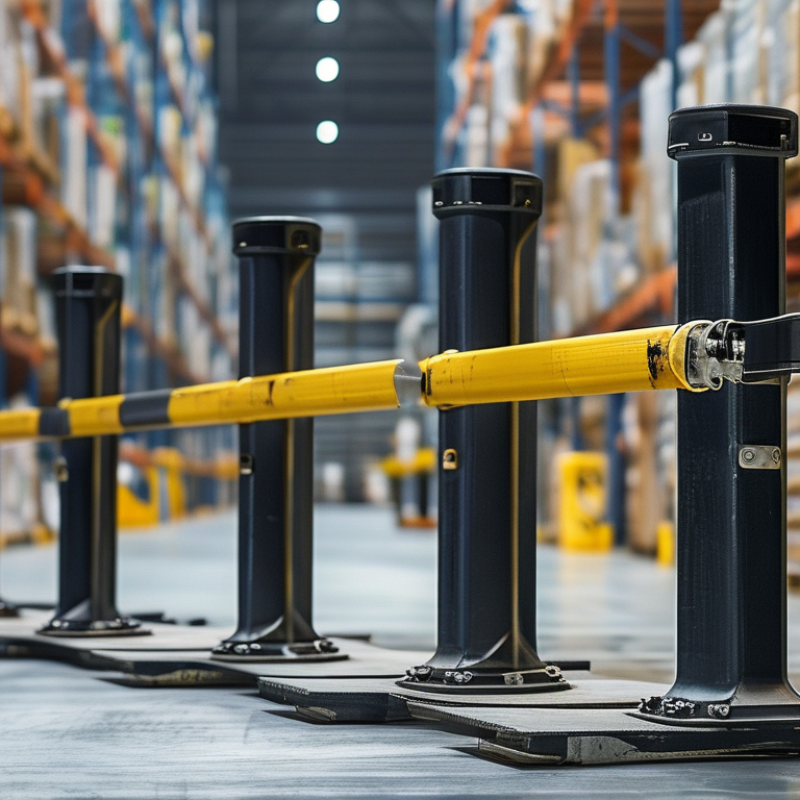
A warehouse bollard is a sturdy, vertical post designed for protection and safety in industrial settings. These structures often serve as a barrier to shield sensitive areas from vehicle impacts. They are typically made of robust materials like metal or concrete. Bollards can be fixed or removable, depending on the specific needs of the warehouse. Understanding their functionality is crucial for maintaining safety.
In a busy warehouse, it is essential to manage vehicle and pedestrian traffic carefully. Bollards help prevent accidents and protect both employees and assets. They mark off areas such as loading docks or pedestrian walkways, allowing workers to move safely. By acting as a physical barrier, they deter vehicles from straying into dangerous zones.
Consider these tips when implementing warehouse bollards. Choose the right height and diameter based on the vehicle types operating in the area. Reflective paint can enhance visibility, especially in low-light conditions. Regularly assess the condition of your bollards for wear and damage. Remember, these safety measures should not just serve a purpose but also blend function with the warehouse environment.
The Importance of Safety in Warehousing: Protecting Personnel and Assets
In warehousing, safety is paramount. The presence of warehouse bollards plays a critical role in protecting personnel and assets. These sturdy structures can absorb impacts from vehicles, thereby reducing the risk of injury to workers. Furthermore, they safeguard valuable equipment from accidental collisions. Understanding their importance can lead to more effective safety practices within a facility.
Implementing bollards in high-traffic areas is advisable. They should be positioned where vehicle movement often occurs. This helps prevent accidents, especially in busy loading docks. Encouraging employees to report any damage to bollards is essential. Regular inspections ensure they remain sturdy and functional.
Training staff on the proper protocols for navigating areas with bollards can enhance overall safety. Visual aids can help reinforce safe practices. Additionally, creating clear pathways can minimize confusion and promote efficiency. Safety should never be an afterthought; rather, it should be woven into the fabric of daily operations.
Importance of Warehouse Bollards for Safety
This chart illustrates the various costs associated with the absence of warehouse bollards. It highlights the significant financial implications of personnel injuries, asset damage, safety improvements, compliance costs, and repairs and maintenance. Incorporating bollards can prevent these costs, emphasizing their importance in maintaining safety within warehouse environments.
Types of Warehouse Bollards: Materials and Design Considerations
Warehouse bollards play a crucial role in safety and efficiency. They are typically made from materials like steel, plastic, or concrete. These materials determine the bollard's durability and resistance to impacts. Steel bollards are ideal for high-traffic areas, offering strength and longevity. In contrast, plastic bollards may be suitable for low-impact environments, as they provide flexibility and are lighter in weight.
When considering design, think about visibility and placement. Bright colors or reflective surfaces can enhance visibility. Bollards should be placed strategically to protect entrances and sensitive zones from vehicle access. The height of the bollard is equally important; too short may offer inadequate protection, while too tall could become a visual obstruction. Evaluating specific warehouse needs helps in choosing the right type.
Overall, the choice of materials and design can significantly influence the effectiveness of bollards. Some facilities may opt for aesthetic-looking bollards that blend well with their architecture, yet practical safety should not be compromised. Balancing these elements requires careful consideration, and reflection on what works best for the unique environment is essential.
Industry Standards and Regulations for Bollard Installation and Use
When it comes to warehouse safety, understanding industry standards for bollard installation is essential. Bollards play a vital role in protecting structures and personnel from potential hazards caused by vehicles. Various organizations outline specific regulations to ensure proper installation and usage. A well-followed guideline minimizes risks and enhances safety measures.
Installing bollards involves precise measurements and clear positioning. Regulations often specify the height, diameter, and material for optimal effectiveness. Many warehouses choose concrete or steel for durability. However, some might overlook the environmental factors affecting their choice of materials.
Regular inspections are crucial. Maintaining bollards ensures they remain effective in preventing accidents. If a bollard shows signs of wear, it should be replaced promptly. It’s worth questioning if your safety measures are up to current standards. Keeping up-to-date with safety guidelines is beneficial for all personnel working in a warehouse environment. Consider consulting with safety experts for the best practices tailored to your specific needs.
Cost-Benefit Analysis: Investing in Warehouse Bollards for Risk Reduction
Investing in warehouse bollards provides significant benefits for risk reduction. According to safety reports, over 25% of warehouse accidents involve vehicle collisions. These incidents can lead to injuries, equipment damage, and costly downtime. Implementing bollards can mitigate these hazards effectively.
Bollards act as physical barriers to protect crucial infrastructure. They prevent collisions between vehicles and vulnerable areas. A study by the National Safety Council highlights that investing in safety measures like bollards can reduce the frequency of accidents by up to 40%. This not only enhances worker safety but also limits financial liabilities associated with workplace incidents.
The initial cost of installing bollards may raise concerns. However, analyzing the potential savings reveals a compelling case. With average insurance claims for warehouse accidents exceeding $30,000, the investment in bollards can pay off relatively quickly. Additionally, reduced injury rates can lead to lower workers' compensation premiums. As such, the cost-benefit analysis strongly favors implementing bollards in warehouse settings.