What is a Road Bollard and How Does It Improve Safety?
Road bollards play a crucial role in enhancing safety in urban environments. These sturdy posts are designed to control traffic and protect pedestrians. According to Dr. Lisa Reynolds, an urban safety expert, “Road bollards are essential for creating safe spaces in crowded cities.” Her insight highlights the vital function these structures serve.
These barriers not only manage vehicle flow but also deter unauthorized access. They guide drivers, making roads safer for everyone. In busy areas, road bollards offer physical protection to pedestrians. They prevent accidents and reduce risks associated with vehicular traffic. However, improper placement can lead to confusion and unintended consequences.
While road bollards are effective, they are not foolproof. Their impact depends on strategic design and placement. Urban planners need to continually assess their effectiveness. Through expert input and real-world analysis, cities can refine their use of road bollards. This ongoing reflection is essential for improving safety and urban life.
What is a Road Bollard?
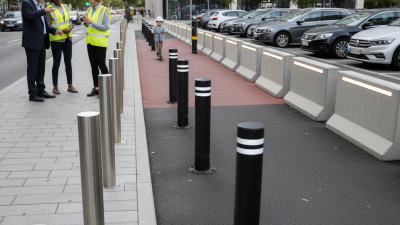
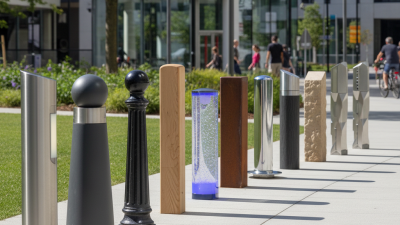
Road bollards are short vertical posts that provide guidance and protection on roads. They are commonly made from materials like plastic, concrete, or metal. Their primary role is to define boundaries in high-traffic areas. Bollards are increasingly used to manage vehicle access and enhance pedestrian safety.
By creating a physical barrier, bollards can prevent unauthorized vehicle entry in pedestrian zones. They also reduce the risk of accidents in busy streets. Their visibility can be improved through reflective surfaces or bright colors. These details play a critical role in ensuring that drivers notice them. However, there are challenges as well. Some bollards can obstruct sight lines, causing confusion in complex intersections.
Ultimately, while bollards serve as safety measures, they are not without flaws. Proper placement and design are vital for their effectiveness. A poorly designed bollard may create more problems than it solves. It is essential to continually assess their impact on traffic flow and safety. Each installation should be tailored to the specific needs of the area, considering both vehicle and pedestrian movement.
Different Types of Road Bollards and Their Uses
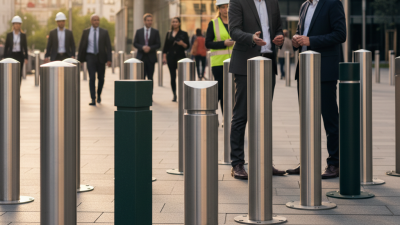
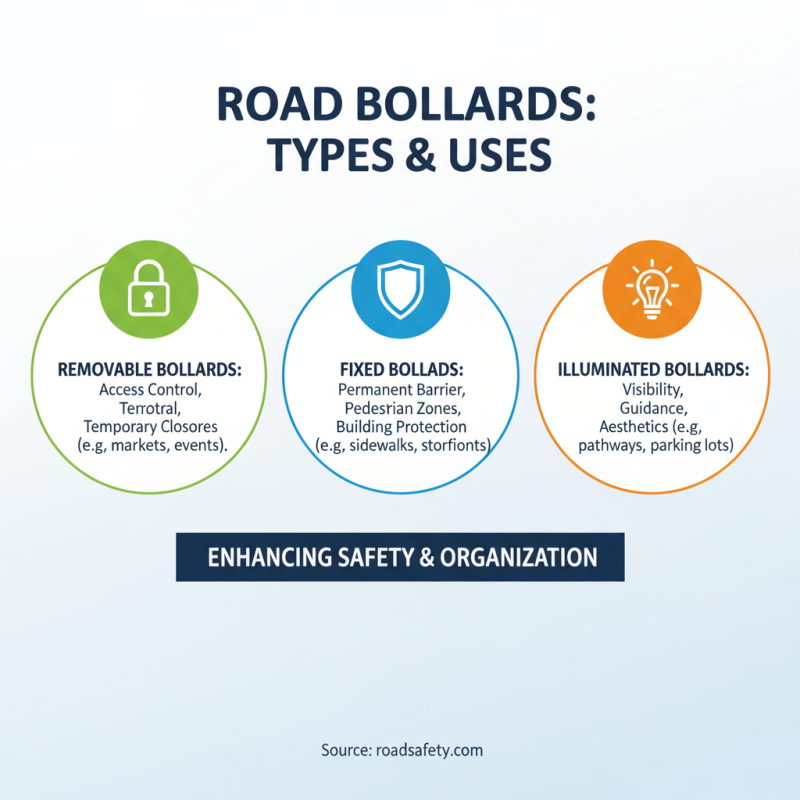
Bollards are essential for road safety. They come in various types, serving different purposes. The most common varieties include removable, fixed, and illuminated bollards. Each type has specific applications, enhancing safety in diverse environments.
Removable bollards provide flexibility. They are often used in pedestrian areas where vehicle access changes. For example, during events, these bollards can be taken out to allow emergency vehicles through. Yet, there’s a risk—if not replaced properly, it could lead to accidents.
Fixed bollards offer strong protection. They are ideal for directing traffic and preventing unauthorized access. In busy urban areas, fixed bollards can shield pedestrians from vehicles. However, they can also become obstacles if poorly placed, keeping emergency services from reaching critical areas.
Illuminated bollards improve visibility at night. They guide drivers and pedestrians safely. Installing these bollards near high-traffic zones is crucial. It’s essential to consider the height and brightness to prevent glare that could distract drivers.
Tips: Always assess locations before installation. A well-placed bollard improves safety for everyone. Regular maintenance checks are vital. This prevents damages and ensures they function as intended.
The Role of Road Bollards in Traffic Management
Road bollards play a crucial role in traffic management. These vertical posts are designed to control vehicle movement and enhance pedestrian safety. Statistics reveal that proper use of bollards can reduce traffic accidents by up to 40%. They help direct traffic flows and create safe zones for pedestrians, especially in busy urban landscapes.
In metropolitan areas, incidents in pedestrian zones have increased. Many cities are implementing road bollards to prevent unauthorized vehicle access. A report by the National Highway Traffic Safety Administration indicates that bollards decrease the likelihood of collisions in high-traffic areas. Their presence can reduce injury rates significantly, fostering safer walking environments.
Tip: Ensure bollards are installed correctly. Poorly placed bollards can create blind spots and new hazards. Regular assessments can help maintain their effectiveness.
Maintenance is essential for bollards to serve their purpose. Weathering and wear can impact visibility and durability. Local authorities must schedule routine inspections to identify any issues. Keeping bollards brightly colored and well-lit enhances their visibility at night.
Tip: Regularly clean and repaint bollards to ensure they stand out. Neglected bollards may blend into the environment, losing their protective function.
How Road Bollards Enhance Pedestrian Safety
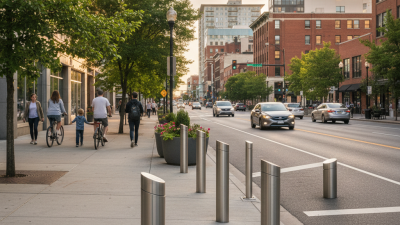
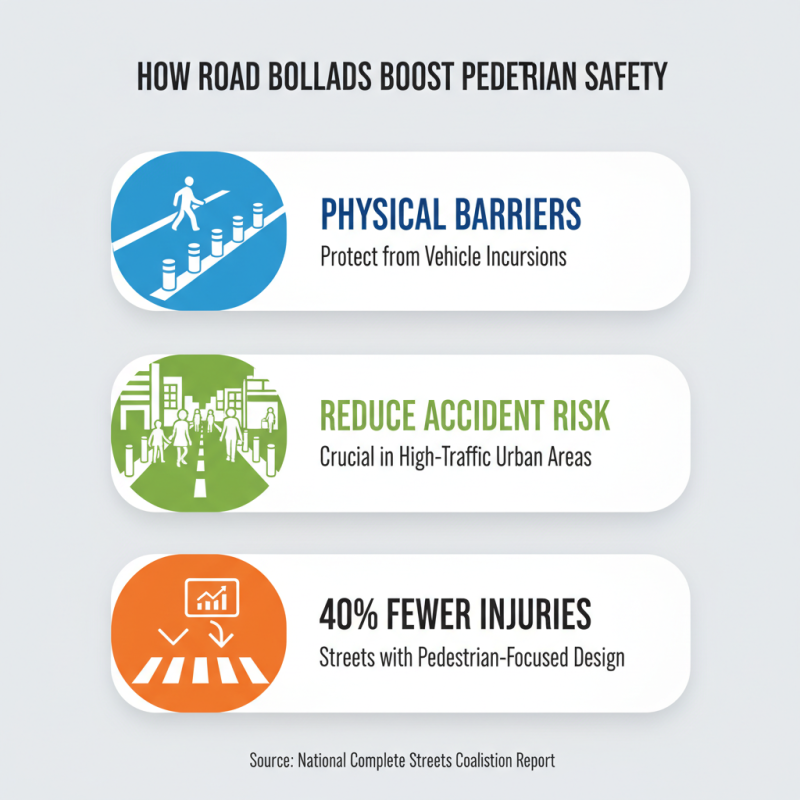
Road bollards play a crucial role in enhancing pedestrian safety. They serve as physical barriers that protect walkers from vehicle incursions. In urban areas, where foot traffic is high, the presence of bollards can significantly reduce the risk of accidents. A report by the National Complete Streets Coalition found that streets designed with pedestrian safety in mind can decrease traffic-related injuries by up to 40%. This data highlights the importance of strategic street design in saving lives.
In addition to their protective role, bollards also guide pedestrian flow. They create designated pathways, ensuring that pedestrians stay clear of moving vehicles. According to a study from the Institute for Transportation Engineers, properly placed bollards can reduce the likelihood of errant vehicles straying into sidewalks by 70%. However, it’s crucial to assess the implementation of these features. Poor placement can lead to visual obstruction, confusing both drivers and pedestrians.
These physical barriers can also encourage walking and biking in busy urban environments. They improve confidence among pedestrians and cyclists, leading to increased foot traffic. Yet, there is still a gap in many cities where bollards are either underused or improperly maintained. Urban planners must continually evaluate the effectiveness of these features. The challenge lies in balancing aesthetics with functionality, ensuring that safety is not sacrificed for design.
Best Practices for Installing and Maintaining Road Bollards
When installing road bollards, several best practices ensure their effectiveness.
Proper placement is crucial.
Research indicates that placing bollards at a distance of 3 to 5 feet from the roadway enhances their visibility and maximizes safety.
Bollards should align with local regulations and road designs. Compliance with guidelines helps prevent accidents and improves overall traffic flow.
Maintaining road bollards is equally important. Regular inspections help identify damage or wear.
According to data from the Institute for Traffic Safety, 15% of road accidents involve inadequate traffic control measures.
Repainting is essential every few years to maintain high visibility. Damaged or faded bollards may lose their intended purpose, endangering public safety.
Lastly, while bollards are critical for traffic management, they can have limitations. In some cases, improperly installed or maintained bollards can lead to unforeseen hazards.
Ensuring they meet safety standards and remain in good condition is every city’s responsibility.
Regular training on maintenance protocols boosts knowledge among staff responsible for these installations.