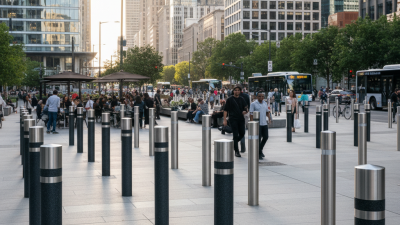
Why Are Parking Bollards Essential for Property Safety?
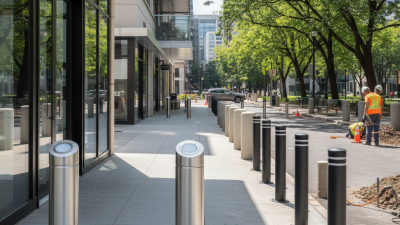
Parking Bollards play a crucial role in enhancing property safety. These sturdy posts are strategically placed to protect buildings and pedestrians from vehicle intrusions. They serve as a physical barrier, preventing accidents and unauthorized access. With the rise of vehicle-related incidents, their importance cannot be overstated.
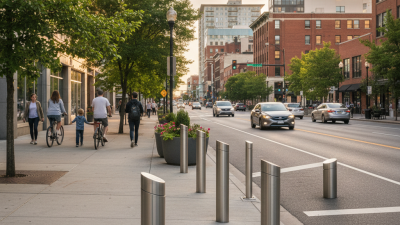
In urban areas, Parking Bollards are often seen outside shops, cafes, and public spaces. Their presence reduces the risk of collisions, thus safeguarding lives. However, not every property utilizes them effectively. Some businesses overlook their value, exposing themselves to potential hazards. This oversight can lead to serious consequences that may affect the community as a whole.
It’s essential to recognize that proper installation and maintenance of Parking Bollards are vital. Neglecting these elements can compromise their effectiveness. Stakeholders must prioritize safety and consult with experts to implement the best practices. By doing so, they can ensure these barriers perform their intended function and contribute to a safer environment.

The Role of Parking Bollards in Enhancing Property Security
Parking bollards play a crucial role in enhancing property security. They serve as physical barriers that prevent unauthorized vehicle access. According to a report by the International Foundation for Protection Officers, properties with installed bollards experience a 70% reduction in vehicle-related incidents. This statistic highlights their importance in safeguarding not just physical assets but also the safety of individuals on the premises.
Bollards deter potential threats by creating a clear separation between vehicles and pedestrian areas. This is especially significant in high-traffic zones. In fact, research from the Urban Land Institute indicates that properties with prominent barriers show 40% fewer unauthorized entries. Properly designed and strategically placed bollards can effectively channel vehicle movement and protect vulnerable areas such as entrances and outdoor seating spaces.
**Tip:** When choosing bollards, consider the height and material. Short, flexible bollards are effective for directing traffic. Rigid, tall ones are best for security.
Routine maintenance of bollards is often overlooked. Regular inspections can identify wear and tear. Ensuring bollards are visible and in good condition reinforces their purpose.
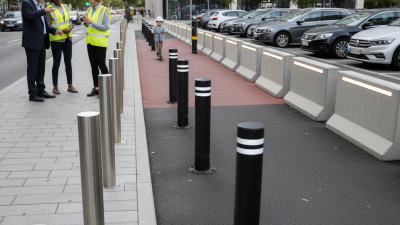
**Tip:** Use reflective paint or signage on bollards. This increases visibility, especially at night. Clear indications can further enhance safety measures.
Types of Parking Bollards and Their Specific Benefits
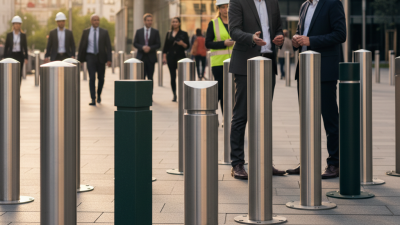
Parking bollards are crucial for ensuring property safety. They come in various types, each serving its unique purpose. Steel bollards offer strong protection against vehicles. They are sturdy and can withstand significant impact. Concrete options provide added stability, making them a popular choice in high-traffic areas. Plastic or removable bollards can be moved as needed, allowing for flexible space management.
Understanding the specific benefits of these bollards is essential. For instance, decorative bollards enhance the aesthetic appeal of a location while still providing safety. They can also guide pedestrian traffic effectively. Effective placement of bollards can deter unauthorized vehicle access, making your property more secure.
Tips for installing bollards include assessing high-traffic areas where protection is needed. Align the distance between bollards to ensure optimal safety. Regularly inspect the conditions of all bollards. Look for signs of wear or damage. Remember, not all property layouts are the same. Take time to reflect on your specific needs to choose the best bollard type.
Types of Parking Bollards and Their Specific Benefits
Installation Considerations for Effective Bollard Placement
When considering the placement of parking bollards, several factors must be evaluated to ensure maximum effectiveness. The distance from buildings and walkways is crucial. Bollards should be installed at least 1.5 meters away from structures. This distance allows for safe passage for pedestrians and protects property from vehicle collisions. According to a report by the National Association of City Transportation Officials (NACTO), proper placement can reduce impact risks by 40%.
Moreover, visibility plays a significant role. Bollards should be brightly colored or reflective, especially in low-light environments. Data from the Federal Highway Administration shows that visible barriers can enhance awareness, reducing miscalculations by drivers. In a world where pedestrian safety is paramount, a study indicated that nearly 30% of accidents occur when a driver misjudges space.
However, the installation process can have its challenges. Terrain variations require a careful assessment before installation. Uneven ground could reduce the bollard's effectiveness. Ensure they are anchored properly to withstand impacts without shifting. The cost of overlooking these details can be high, resulting in not just financial loss, but potential harm to individuals. Reflecting on these factors is essential for creating a secure environment.
Maintenance and Inspection Practices for Parking Bollards
Parking bollards play a crucial role in enhancing property safety. They guide traffic and protect pedestrians. However, maintaining and inspecting these structures is just as important. Regular checks can prevent accidents and ensure their effectiveness.
Bollards can wear down over time. Weather conditions can lead to rusting or cracking. It's vital to inspect them quarterly. Look for visible damage or signs of deterioration. If a bollard is loose, it may need to be reset or replaced.
Tips: Keep an inspection checklist ready. Include categories like physical damage and stability. Document your findings for further analysis. Consider how much weight the bollards can handle. If unsure, consult a professional. Regular maintenance can extend their lifespan significantly. Proper upkeep ensures safety and reliability on your property.
Legal Regulations and Standards Governing Bollard Use
Parking bollards serve an important role in ensuring property safety. However, their use is not just a matter of convenience; it is also governed by legal regulations and standards. In many regions, building codes outline specific requirements for bollard placement and design. These regulations help prevent accidents and protect pedestrians from vehicle-related incidents.
Municipalities often establish their own guidelines. These may specify materials, height, and spacing of bollards. Compliance with local laws is crucial for property owners. Non-compliance can lead to costly fines and increased liability in case of an accident. Inadequate bollard installation can create unsafe environments, leading to potential harm to individuals and property.
Understanding these legal regulations requires careful attention to detail. It is essential for property owners to stay informed about any updates or changes. Hiring professionals who specialize in safety compliance can help navigate these complex requirements. This proactive approach can safeguard properties and enhance public safety, emphasizing the importance of diligence in installation practices.
Why Are Parking Bollards Essential for Property Safety? - Legal Regulations and Standards Governing Bollard Use
| Regulation/Standard |
Key Requirements |
Purpose |
Common Materials |
Height (inches) |
| AS/NZS 1170 |
Load resistance standards |
Prevent vehicle intrusion |
Steel, Concrete |
36 |
| ASTM F3016 |
Impact resistance testing |
Protect pedestrian areas |
Aluminum, Plastic |
42 |
| BS 7818 |
Design and installation guidelines |
Traffic management |
Composite, Reinforced Plastic |
30 |
| ADA Standards |
Accessibility compliance |
Safety for disabled users |
Steel, Cast Iron |
36 |
| Local Government Regulations |
Site-specific requirements |
Protect private property |
Various (local specifications) |
24 |