Leave Your Message

China Top Parking Bollards Manufacturers How to Choose?

China’s parking infrastructure is changing quickly. Vehicle ownership is rising, urban streets are becoming denser, and property owners need stronger access control. Parking Bollards now protect loading zones, hotel entrances, retail fronts, hospitals, and residential driveways.

The MarketsandMarkets Smart Parking Market report forecasts strong growth through 2028, driven by sensors, automated access, and connected city systems. Grand View Research also identifies parking management technology as a growing urban investment area. These reports do not measure every bollard installation directly. However, they reveal a clear direction. Physical protection must increasingly work with digital parking systems.

“Security hardware only works when it matches the site’s real risk,” says Mark K. Jones, a physical-security consultant specializing in vehicle access protection. This practical view matters when comparing China’s Parking Bollards manufacturers. A reliable supplier should explain impact ratings, steel grade, wall thickness, foundation depth, drainage, coating performance, and replacement procedures. Ask for test certificates, factory records, installation photos, and clear warranty terms. Do not trust polished catalogs alone.

Performance depends on details. A fixed bollard outside a bank faces different threats from a retractable model beside a shopping center. Stainless steel may suit coastal air, while galvanized steel can offer better value for large industrial sites. Automatic units also require safe sensors and emergency access.

The difficult part is choosing accurately. Price often looks attractive first. Maintenance tells the fuller story. A strong manufacturer should provide engineering support, not merely export products. Even experienced buyers can overlook soil conditions, turning radius, or local maintenance skills. That is where careful comparison becomes essential.
China Top Parking Bollards Manufacturers How to Choose?

What Are Parking Bollards and Where Are They Used?

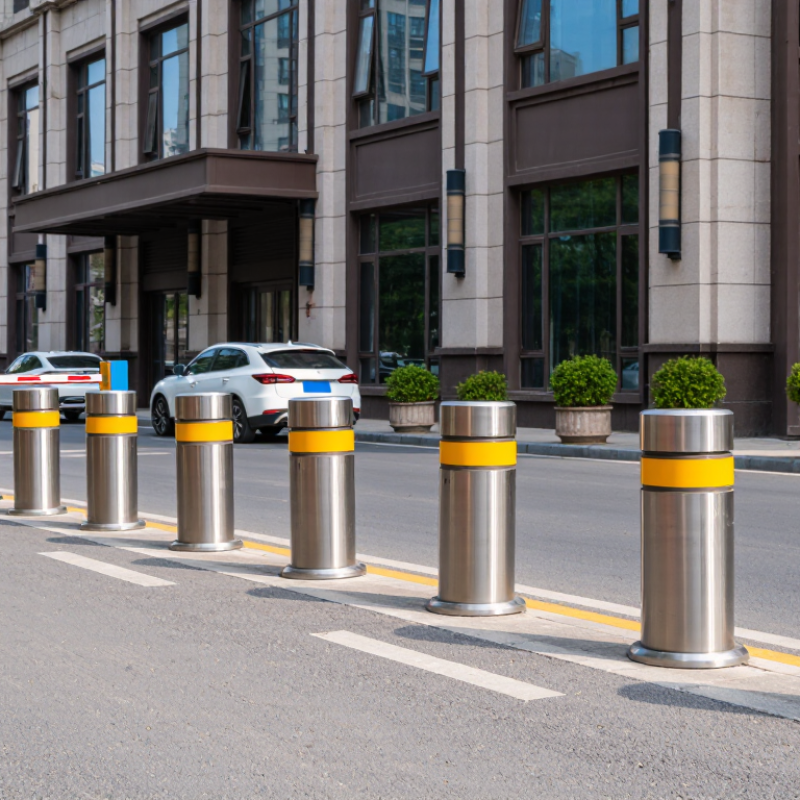
Parking bollards are short, sturdy posts that control vehicle movement without blocking pedestrians. They mark boundaries, protect entrances, and separate parking bays from walking routes. Common materials include galvanized steel, stainless steel, cast iron, and impact-resistant polymer. Fixed bollards are set in concrete, while removable models fit into ground sockets. Automatic rising bollards allow controlled vehicle access. Their simple appearance hides important engineering decisions.

At retail entrances, bollards protect glass doors from careless reversing. Schools use them to create a visible buffer between cars and children. Hospitals install them near ambulance lanes, loading zones, and emergency access points. Apartment complexes place them beside pedestrian paths, utility cabinets, and basement ramps. Warehouses need protection around columns, roller doors, and loading areas. Parks and public squares may use flexible layouts for events and daily traffic.

Choosing a bollard involves more than comparing prices. Measure vehicle exposure, surface conditions, visibility, drainage, and maintenance access. Reflective bands help drivers notice posts at dusk. Rounded tops reduce snagging, while contrasting finishes improve daytime recognition. Experienced installers check underground services before drilling. A strong post in weak concrete can still fail. I have seen neat spacing ignore turning paths, making protection inconvenient. Small details matter. Review the site after installation, especially when delivery routes change.
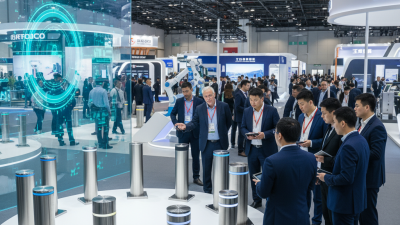
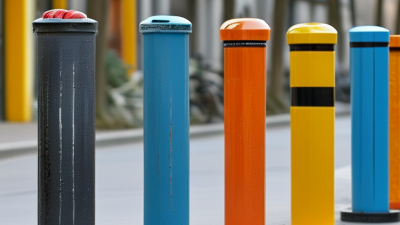
Which Types of Parking Bollards Are Made in China?

China Top Parking Bollards Manufacturers How to Choose?

China-made parking bollards usually include fixed, removable, fold-down, automatic rising, and flexible polyurethane models. Fixed bollards suit sidewalks, loading edges, and private parking spaces. Removable units use sockets, allowing seasonal access or maintenance. Fold-down designs work well beside driveways because drivers can lower them manually. They are simple.

Automatic rising bollards provide stronger access control, but they need power, drainage, sensors, and scheduled maintenance. Flexible models reduce vehicle damage during low-speed contact. Common materials include galvanized steel, stainless steel, cast iron, and impact-resistant polymers. Stainless steel offers a clean appearance near hotels and offices, while galvanized steel often gives better cost control. Material thickness alone does not prove quality.

Urban demand keeps increasing. The World Bank reported that about 56% of the global population lived in urban areas in 2023. UN DESA projects this share could reach 68% by 2050. More dense streets require clearer separation between vehicles and pedestrians. However, a bollard should match the site, not merely the catalogue. Check wall thickness, anchoring depth, drainage, surface coating, cycle testing, and replacement-part availability. For automatic products, ask for test records and operating-temperature data. Some specifications look impressive but remain difficult to verify. That is where buyers must stay cautious.

How to Evaluate Chinese Parking Bollard Manufacturers

China Top Parking Bollards Manufacturers: How to Choose?

China’s vehicle market creates a large demand for controlled parking infrastructure. The China Association of Automobile Manufacturers reported 30.09 million vehicle sales in 2023. However, market size does not prove manufacturing quality. Evaluate the factory, not only its product photos. Ask for company registration details, production capacity, export experience, and recent project references. A serious manufacturer should explain steel grade, wall thickness, welding method, coating process, and operating cycles clearly. Vague answers deserve attention.

Request traceable test documents for impact resistance, corrosion protection, waterproofing, and repeated operation. For security-rated bollards, check whether testing follows a suitable standard, such as IWA 14-1 or ASTM F2656. The test vehicle, impact speed, foundation design, and penetration result must match your project. ISO 9001 certification can support process control, but it cannot replace product testing. I have seen polished catalogs hide weak anchoring details. That is an easy mistake.

Tips

Inspect one production sample before ordering. Measure its tube thickness with calipers. Check welds under bright light. Ask for salt-spray test duration and coating thickness records. Confirm spare-part availability, response time, installation drawings, and warranty exclusions. If a supplier refuses an independent inspection, pause the evaluation. Price matters, but a low quotation may reflect thinner steel, weaker motors, or incomplete site support. Some buyers also overlook local drainage and power conditions. That decision can become expensive.

What Standards and Features Should You Compare?

Choosing a parking bollard manufacturer requires more than comparing steel thickness and price. Start with verified standards. ASTM F3016 evaluates low-speed vehicle impact resistance, using a 5,000-pound vehicle at 10 mph. For hostile-vehicle protection, PAS 68 and IWA 14-1 show tested vehicle mass, speed, and penetration distance. Ask for full test reports, not only certificates.

Safety needs context. The NHTSA Traffic Safety Facts report recorded 7,388 pedestrian deaths in the United States in 2021. This figure reinforces the need for visible barriers near entrances, crossings, and loading zones. Compare reflective bands, contrasting colors, rounded edges, and spacing. Measure the clear passage for wheelchairs, carts, and emergency access. Fixed, removable, and automatic models serve different traffic patterns. Automatic units also need cycle-test data, drainage protection, and manual release procedures.

Material details reveal manufacturing quality. Request the steel grade, wall thickness, weld process, coating system, and corrosion-test results. Stainless steel may suit coastal sites, while galvanized steel can reduce project cost. Foundation depth matters as much as the post. A strong bollard can fail through weak concrete or poor drainage. I once treated impact ratings as the main decision point; that was too narrow. Maintenance records, spare-part availability, installation drawings, and warranty exclusions deserve equal attention. Some specifications remain unclear, so require measurable values before approval.

How to Choose the Right Manufacturer for Your Project

China Top Parking Bollards Manufacturers: How to Choose the Right Manufacturer for Your Project

A suitable manufacturer should understand your site, not only sell steel posts. Start with a written site survey. Check vehicle speed, impact direction, soil conditions, drainage, and pedestrian movement. These details affect bollard spacing, foundation depth, and control systems.

The 2023 WHO Global Status Report on Road Safety recorded about 1.19 million annual road deaths worldwide. This underlines the importance of tested protection around busy entrances, although bollards cannot solve every safety risk.

Ask for test reports, material certificates, and installation drawings.

ASTM F3016 covers low-speed vehicle impact testing for security barriers. It is useful when comparing retractable or fixed models. Also check stainless steel grade, weld quality, surface treatment, motor protection, and replacement-part availability.

A reliable Chinese manufacturer should explain testing limits clearly. Be cautious with vague claims such as “maximum security.” They often hide important conditions.

Factory experience matters.

Request production photos, quality inspection records, sample approval, and references for similar climates. ISO 9001 certification can support process control, but it does not replace independent product testing. Confirm lead times in writing, including packaging and port handling.

A low quotation may look attractive. It can become expensive after poor drainage, delayed parts, or unsuitable foundations appear.

I have learned that the cheapest option is rarely the simplest one. Leave room for technical changes. Real sites are imperfect.