How to Choose the Best Parking Bollards for Your Needs?
Choosing the right parking bollards can be challenging. These structures serve various purposes. They can enhance security, guide traffic, or protect property. Understanding their features is essential for making the best choice.
When selecting parking bollards, consider the environment. Are they for a commercial area or a residential space? Heavy-duty options may be necessary for high-traffic zones. In contrast, lighter models could suffice for less crowded areas. Durability is another crucial factor. Weather-resistant materials can prolong their lifespan.
While aesthetics might seem secondary, they still matter. Bollards should blend with the surroundings. A mismatched design could detract from the overall appeal. Some designs offer customization, allowing for unique appearances. However, it's essential to prioritize function over form. Thus, balance is key in the decision-making process.
Identifying Your Specific Parking Needs and Requirements
Identifying your specific parking needs is crucial when selecting the best parking bollards. Think about where the bollards will be placed. Are they for a busy shopping center or a quiet residential street? The environment can dictate the type of bollard you need. For example, a high-traffic area may require sturdier, more robust bollards to handle potential impacts. Reflect on how much space is available too; this will impact your options.
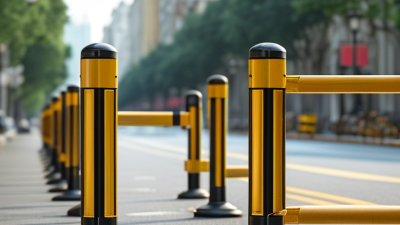
Consider the primary purpose of the bollards. Are they meant to prevent unauthorized parking or enhance safety? If they are for traffic control, visible and reflective bollards might be necessary. Alternatively, decorative bollards can serve an aesthetic purpose while still providing protection. It's important to balance functionality and appearance.
Keep in mind, not all bollards are created equal. Some may not withstand harsh weather conditions or wear and tear. Think about the materials used, as this affects durability and maintenance. Reflecting on these aspects can lead to better long-term investment choices. A thorough understanding of your specific requirements will aid in making a wise decision.
Understanding Different Types of Parking Bollards and Their Uses
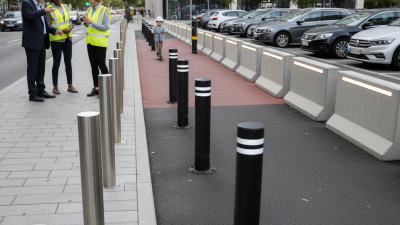
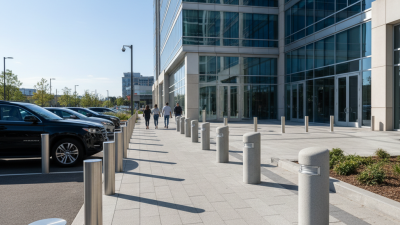
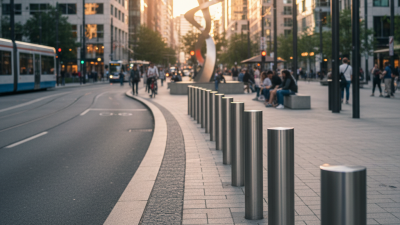
Parking bollards come in various types, each designed for specific needs. Understanding their differences helps in making the right choice. For instance, retractable bollards are excellent for entry points. They offer flexibility, allowing vehicles to pass when necessary. Fixed bollards provide robust protection against unauthorized access. They can deter collisions and protect pedestrians in busy areas.
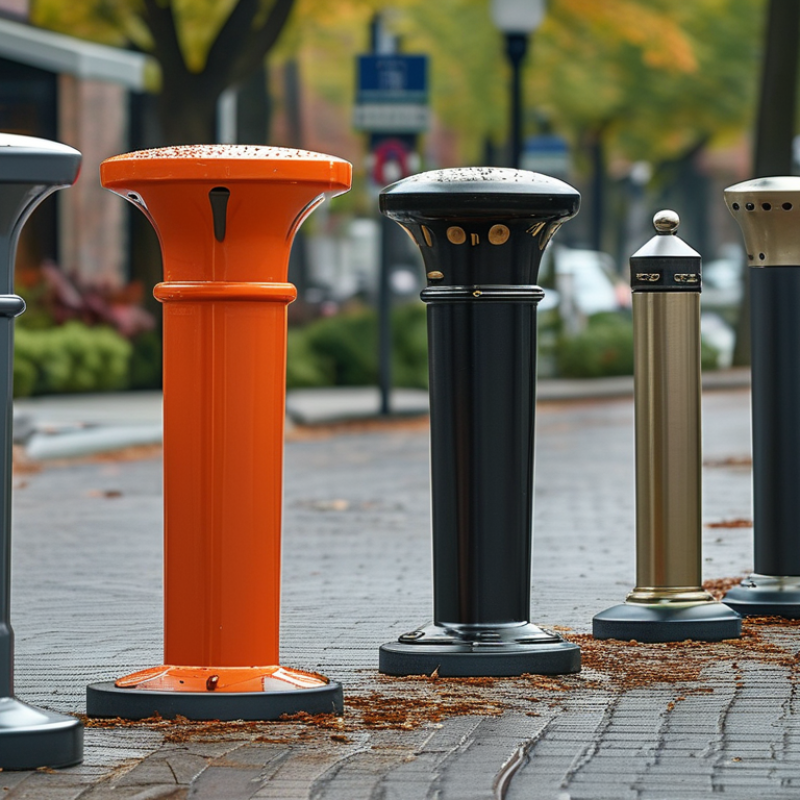
In some settings, decorative bollards add aesthetic appeal. These can enhance the ambiance while still serving a protective purpose. The materials used also matter. Steel offers strength, while plastic can be lightweight and easier to install. Each material presents unique characteristics that influence durability and cost.
Evaluating the intended use is crucial. High-traffic areas might need sturdy, permanent solutions. Quiet residential zones could benefit from less intrusive options. Reflecting on the environment will clarify what is truly required. The choice isn't always simple; it may involve trade-offs between aesthetics and function. Taking the time to assess these factors leads to more informed decisions.
Evaluating Material Durability and Aesthetic Appeal
Choosing the right parking bollards often involves considering both material durability and aesthetic appeal. Metal bollards can offer strength, ideal for high-traffic areas. They resist wear and tear better than plastic. However, metal can rust without proper treatment. This factor must be considered in coastal areas where moisture is prevalent.
Plastic and concrete bollards present different challenges. While concrete is sturdy and withstands severe impacts, it may not blend well with all designs. Plastic, on the other hand, is lightweight and can be molded into various shapes. Its durability varies significantly based on the quality of material used. However, lower-quality plastic may fade over time.
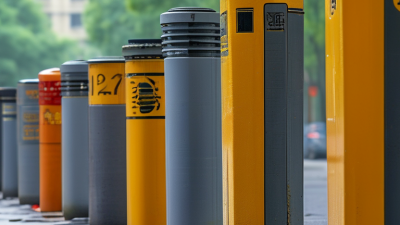
Aesthetic appeal shouldn't be overlooked. Color, shape, and finish contribute to the overall look of the area. A well-designed bollard can enhance a space, but an unattractive one might detract from its surroundings. Consider how bollards align with the local architecture or landscaping. Balancing durability with visual appeal can be tricky but ultimately creates a welcoming and functional environment.
Material Durability and Aesthetic Appeal of Parking Bollards
Considering Height, Visibility, and Placement for Safety
When selecting parking bollards, height, visibility, and placement are critical for ensuring safety. Research indicates that bollards should typically range from 36 to 48 inches in height for maximum effectiveness. This range helps enhance visibility without obstructing the view of the surrounding environment. A study noted that properly illuminated bollards can reduce accidents by up to 40%. Ensuring that the height is appropriate for the location is crucial; taller bollards may seem more visible but can create blind spots.
Visibility plays a vital role in safety. Bright colors and reflective materials can be instrumental. According to the Traffic Safety and Road Management report, well-marked bollards can improve awareness by 60%. It's essential to consider the surrounding color palette and lighting conditions. A well-placed bollard in a contrasting shade can stand out, making it instantly recognizable. However, placing them too close to roadways may lead to unintended obstruction.
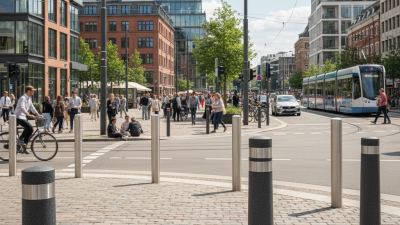
The placement of parking bollards is often overlooked. They should not only deter vehicle access but also guide pedestrian movement. Factors such as traffic flow and pedestrian behavior should inform their positioning. A report from the Urban Planning Institute indicates that 30% of pedestrian accidents occur near poorly placed bollards. Ensuring a proper evaluation of both visual and physical factors is necessary to maximize effectiveness and reduce hazards. Making informed decisions can prevent further reflection on missed opportunities for improvement.
How to Choose the Best Parking Bollards for Your Needs?
| Bollard Type |
Height (inches) |
Visibility Color |
Material |
Recommended Placement |
| Retractable |
36 |
Bright Yellow |
Steel |
Driveways, Sidewalks |
| Fixed |
42 |
White with Reflective Strips |
Concrete |
Parking Lots, Walkways |
| Collapsible |
30 |
Fluorescent Orange |
Aluminum |
Temporary Events |
| Removable |
24 |
Black |
Plastic |
Event Spaces, Concession Stands |
| Decorative |
48 |
Bronze |
Cast Iron |
Parks, Public Areas |
Comparing Costs and Installation Options for Different Bollard Types
Choosing the right parking bollards involves understanding the costs and installation methods available. Various types of bollards are on the market, each with distinct price points. For example, removable bollards may be more expensive due to their complex installation but offer flexibility. In contrast, fixed bollards are generally more affordable, though they provide less versatility.
Installation options can vary as well. Some bollards require professional installation, which can increase overall costs. Others can be installed by the user, making them a more budget-friendly choice. However, inexperienced installation may lead to structural issues, something to consider carefully. While savings are essential, investing in quality installation is crucial for safety and durability.
Materials also play a significant role in costs. Steel and concrete are common choices, but the price may reflect their longevity and resistance to impact. It's important to weigh the upfront costs against potential long-term benefits. Cheaper options may require replacement sooner, adding hidden expenses. Gather all necessary information before making a decision, as selecting the right type can impact both finances and security.